

UAE weather: Temperatures near 50°C with dusty winds and rain forecast for August 5
NCM issues warning for outdoor exposure during peak daylight hours
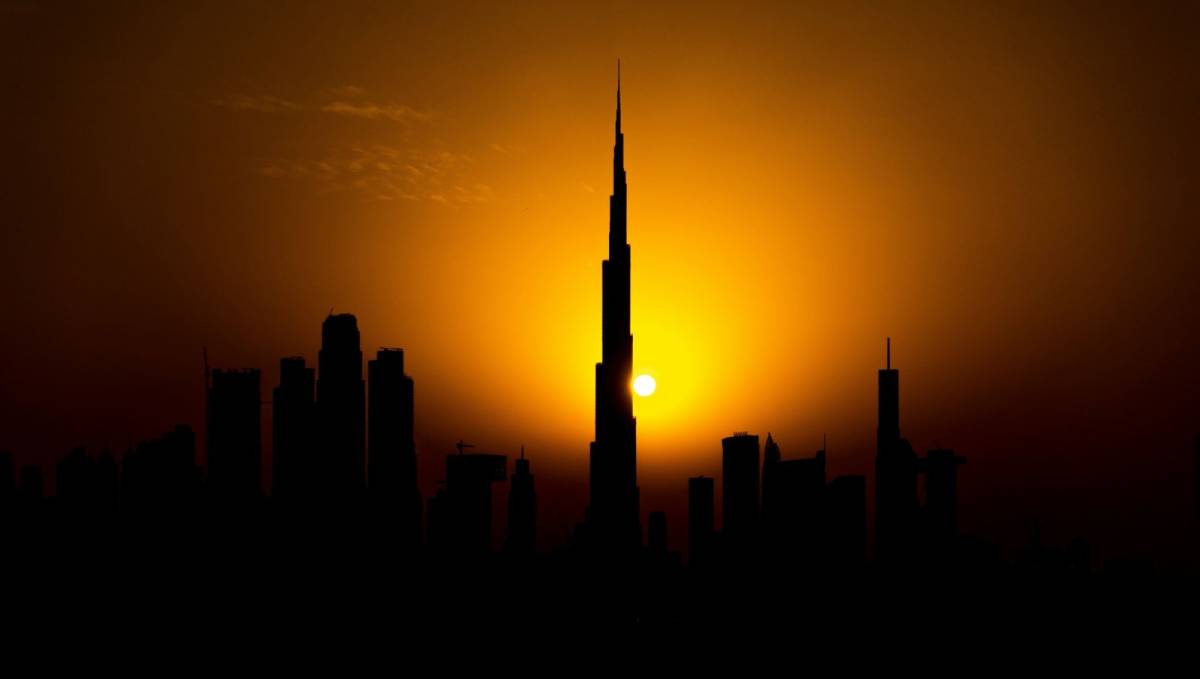
DUBAI: The United Arab Emirates (UAE) remains engulfed in a fierce summer surge, with temperatures nearing national records, storms brewing in the east and south, and swirling dust reducing visibility.
On Monday, the mercury climbed to 48.7 °C in Mezeira, located in Abu Dhabi’s Al Dhafra region.
Just days earlier, on 1 August, a scorching 51.8 °C was recorded in Sweihan – the highest temperature in the UAE so far in 2025 and just below the national record of 52.1 °C set in July 2002, also in Sweihan.
Hottest ever spring in UAE
This intense heat follows the hottest spring ever recorded in the UAE, as declared by the National Centre of Meteorology (NCM); both April and May set new national temperature records.
Throughout June and July, inland areas repeatedly exceeded 50 °C, while coastal cities such as Dubai (45–46 °C) and Abu Dhabi (around 46 °C) endured prolonged heatwaves, accompanied by high night time humidity and poor air quality. This has prompted medical experts to warn of serious health risks; citizens and residents have been advised to remain indoors between midday and 4 pm, stay well hydrated, and avoid strenuous activities.
Forecast for tomorrow
For Tuesday, 5 August, the NCM forecasts fair to partly cloudy skies, with a continued chance of convective cloud development especially over eastern terrain and southern regions, raising the possibility of localised showers in places such as Al Ain, Fujairah and Ras Al Khaimah.
Winds are expected to shift from south east to north east, blowing at 10–25 km/h, and gusting up to 40 km/h, stirring dust across exposed inland areas. Sea conditions will remain slight to moderate in both the Arabian Gulf and the Oman Sea.
NCM experts project that August temperatures will hover 0.25–0.50 °C above seasonal norms throughout the month, maintaining the current elevated heat levels into early September.
Meanwhile, cloud seeding operations – which at times enhance rainfall by up to 15–35% over certain regions – may produce short-lived showers over the east, though widespread cooling is not expected imminently.