

When will Ramadan 2027 begin in the UAE? Expected start date revealed
Moon sighting will determine the official beginning
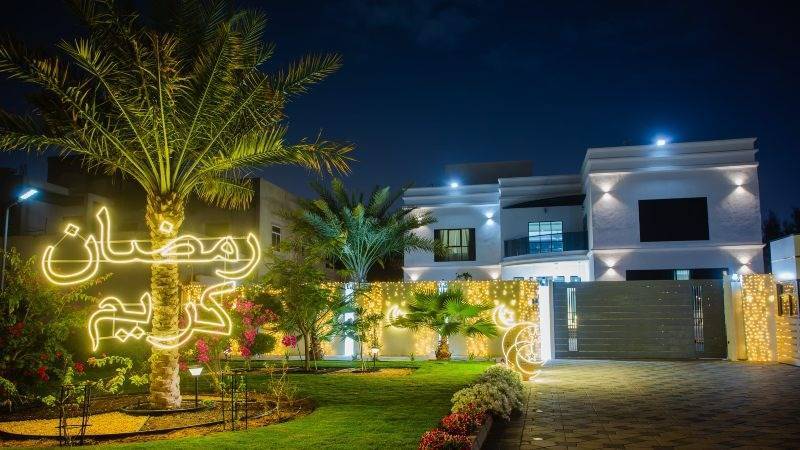
DUBAI – Muslims across the UAE and around the world are expected to welcome Ramadan 2027 on Monday, February 8, according to current astronomical calculations.
However, as with every Islamic month, the official start will only be confirmed after the crescent moon is sighted by the UAE's Moon Sighting Committee and other religious authorities.
The holy month follows the Islamic lunar calendar rather than the Gregorian calendar, causing its dates to shift earlier by around 10 to 11 days each year. That annual movement allows Ramadan to gradually pass through every season over a cycle of roughly 33 years.
If the crescent moon is officially sighted on the evening of Sunday, February 7, worshippers will gather for the first Taraweeh prayers that night before observing the first fast the following day.
Moon sighting
The dates currently remain provisional until the official moon-sighting process is completed. While astronomical forecasts provide a reliable indication of when Ramadan is likely to begin, Islamic authorities make the final announcement based on the visibility of the new crescent moon.
Ramadan lasts either 29 or 30 days, depending on the next moon sighting at the end of the month. As a result, the exact duration cannot be confirmed in advance.
Based on current forecasts, Eid Al Fitr is expected to begin on Wednesday, March 10, 2027, although that date will also depend on the official sighting of the Shawwal crescent.
Changing dates
Unlike holidays that follow the solar-based Gregorian calendar, Ramadan is determined by the Islamic lunar calendar, which consists of 12 lunar months and lasts about 354 days.
Because the lunar year is shorter than the solar year, Ramadan moves earlier every year on the Gregorian calendar. Over time, this means the holy month is observed during different weather conditions and daylight hours across the world.
Ramadan
Fasting during Ramadan is one of the Five Pillars of Islam and is observed by millions of Muslims worldwide from dawn until sunset. Beyond abstaining from food and drink, the month is regarded as a period of worship, self-discipline and spiritual renewal.
Ramadan also places strong emphasis on patience, gratitude and reflection, with many Muslims dedicating more time to prayer and reading the Quran. Charity is another defining aspect of the holy month, with individuals and organisations increasing donations and community support initiatives to help those in need.