

Another Pakistani city joins Basant 2026 celebration after success in Lahore
Three-day festival to include kite flying, music, and family entertainment in Quetta
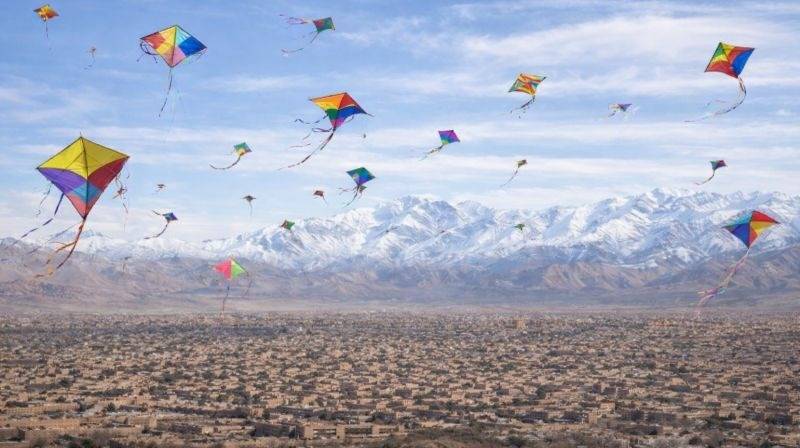
DUBAI/LAHORE – Quetta, the capital of Balochistan, is set to celebrate Basant 2026, joining Lahore in reviving the long-paused festival.
Scheduled from February 13 to 15, the three-day event has generated considerable excitement among residents, who are eagerly preparing to adorn the skies with colourful kites.
Preparations are already in full swing across the city. Markets are bustling with vibrant kites, strong strings, yellow clothing, and other festival essentials. Streets including Gurdat Singh Road, Prince Road, Alamdar Road, Kasi Road, Sirki Road, Jan Muhammad Road, Sabzal Road, Nawa Kali, Brohi Road, Jail Road, and Liaquat Bazaar have seen a surge in shopping activity, with residents enjoying the latest kite designs.
Basant in Quetta
The festival in Quetta is expected to feature not only kite flying but also local cultural performances, music, traditional food stalls, and family-friendly entertainment. Organisers have emphasised that the event will provide residents with a welcome recreational outlet, offering temporary relief from daily challenges and fostering social harmony.
Officials have urged participants to celebrate safely and peacefully, adhering to precautionary measures to avoid accidents during the festivities. So far, no formal government statement has been issued regarding Basant, though organisers continue their preparations with local support.
Organisers have mapped out events across various parts of Quetta to maximise public participation. Kite flying will be complemented by performances from local artists, traditional cuisine stalls, and interactive family-oriented activities. The event could mark the beginning of a new cultural chapter for the city, as citizens look forward to celebrating together and enjoying a safe and colourful festival.
Basant returns in Lahore
The development comes days after Lahore concluded its Basant 2026 celebrations on a high note. The three-day festival drew millions of participants, with nearly 900,000 vehicles entering the city and approximately 1.4 million passengers availing themselves of free public transport, including Metro bus and electric buses. International diplomats, foreign tourists, and foreign media outlets also attended, highlighting Pakistan’s vibrant culture on the global stage.
Happy Basant! In Lahore, U.S. Chargé d’Affaires Natalie Baker, Deputy Assistant Secretary John Mark Pommersheim, and Consul General Stetson Sanders joined Lahoris in celebrating the season alongside American businesses that are strengthening commercial ties, setting high… pic.twitter.com/xElX2G3LjB
— U.S. Consulate General Lahore (@USCGLahore) February 11, 2026
Economic activity surged across multiple sectors during Lahore’s Basant, with poultry sales alone reaching Rs10.75 billion, kite and string purchases generating around Rs2 billion, and hotels and restaurants reporting increased occupancy and customer volume. Analysts estimated that the festival contributed between Rs4 billion to Rs6 billion in overall business activity, reflecting the scale of public engagement.
Lahore’s festivities were carefully organised by the Punjab Information and Culture Department, including cultural performances, rooftop kite flying competitions, music concerts, and live performances by popular actors and singers. Citizens participated enthusiastically, creating a vibrant atmosphere that celebrated Pakistan’s heritage, unity, and joy.
Basant – the ban and revival
Basant is a centuries-old spring festival associated with the arrival of warmer weather and seasonal renewal in the Punjab plains. Historically rooted in folk traditions rather than formal religious observance, it later absorbed influences from Sufi culture and regional fairs. By the 19th century, Lahore had become a major centre of Basant festivities, with Maharaja Ranjit Singh holding official celebrations that elevated the festival’s prominence.
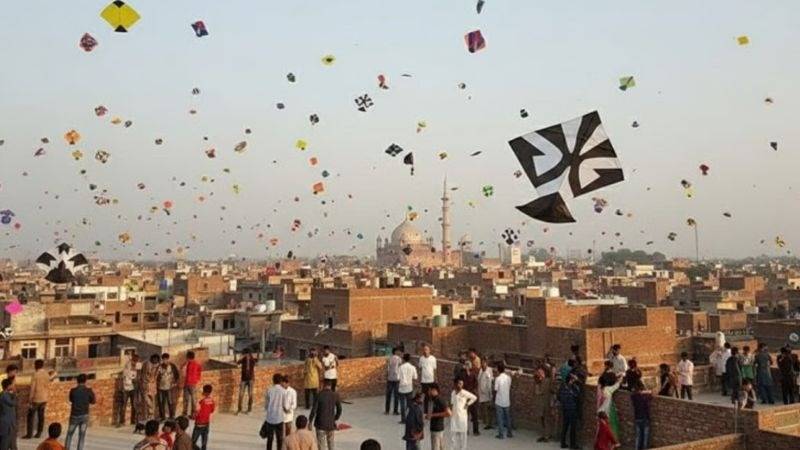
Over time, kite flying became the most visible feature of Basant. Each February, Lahore’s rooftops and skies were known for dense displays of colour, music and gatherings, drawing visitors from across the region.
However, the festival faced increasing scrutiny in the early 2000s due to repeated injuries and deaths. Hazardous kite strings coated with glass, chemicals or metal wires caused fatal cuts to motorcyclists and pedestrians. Electrocutions, power outages and rooftop falls added to the risks. Celebratory gunfire during festivities further contributed to casualties.
Authorities imposed bans on kite flying and large-scale Basant celebrations beginning in the mid 2000s, with enforcement tightening in subsequent years. The prohibitions remained in place for nearly two decades, effectively halting the once-annual spectacle in Lahore.