

UAE passport tops global rankings again with access to 182 destinations
New index highlights expanding diplomatic reach across international markets
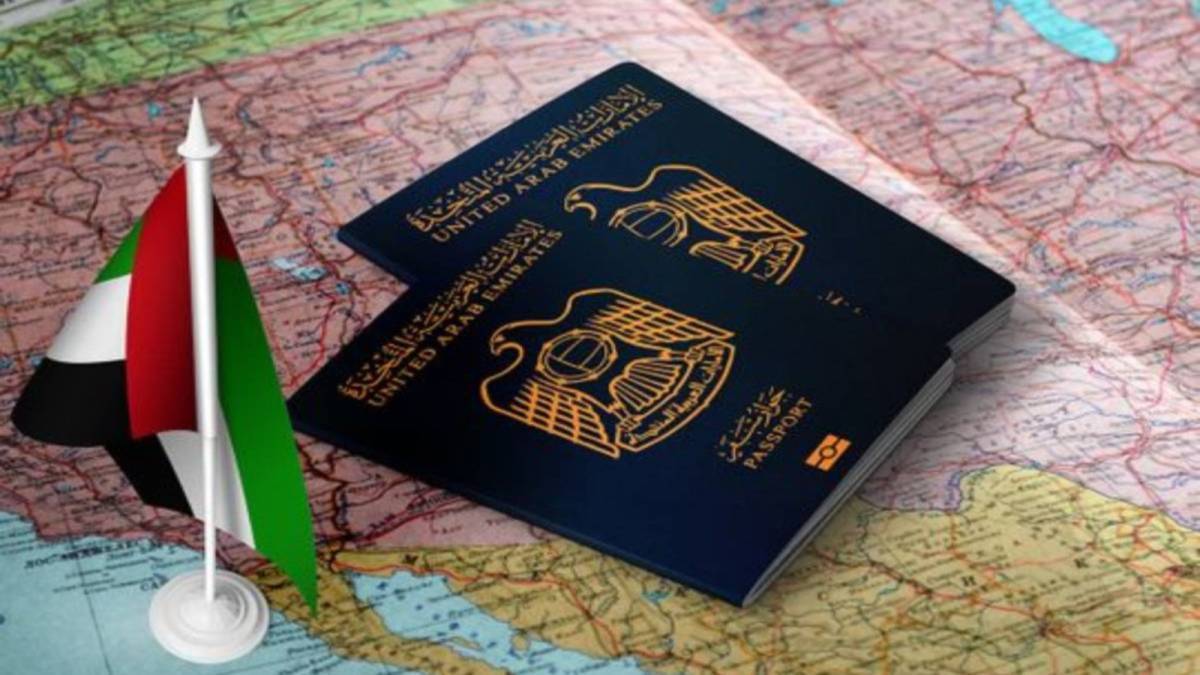
DUBAI – The United Arab Emirates (UAE) has tightened its grip on the title of the world’s most powerful passport, setting a new benchmark in 2026 with the highest score ever recorded in Arton Capital’s Passport Index.
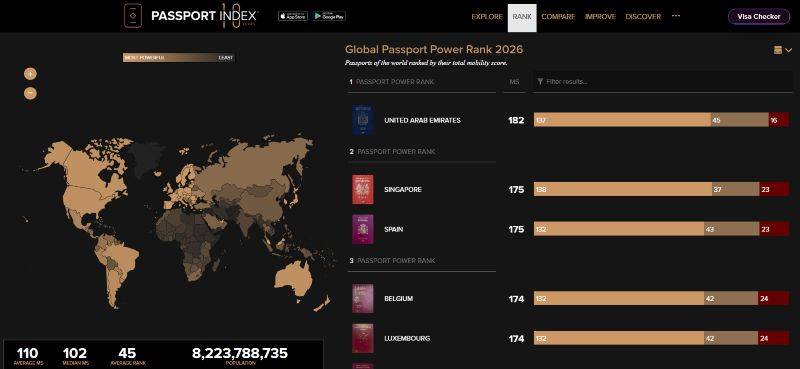
New data released by the global ranking platform places the Emirati passport at a record score of 182, extending a lead it has maintained since 2018.
The latest ranking further highlights the country’s expanding global influence and comes at a time when many nations are experiencing either stagnant mobility growth or shrinking visa-free access. For Emirati citizens, the figures translate into broader access to international business centres, tourism markets and destinations across the globe.
Record reach
According to the latest Passport Index figures, Emiratis now enjoy access to 127 destinations visa-free, while another 45 destinations offer visas on arrival. A further 10 destinations can be accessed through Electronic Travel Authorisation systems.
The UAE passport currently has a world reach of 91 percent, with only 16 destinations requiring a traditional visa process. The latest score of 182 is the highest ever recorded in the history of the index.
Arton Capital said the UAE’s rise has continued through sustained diplomatic engagement and bilateral agreements, helping expand international mobility even as other countries face tighter restrictions.
The country’s rapid rise has been one of the most striking mobility shifts of the past decade. Since the launch of the UAE Passport Force Initiative by the Ministry of Foreign Affairs in 2017, the passport has climbed from 88th position globally to first place in under ten years.
Global shifts
The broader global picture revealed a widening divide in passport strength. While the UAE strengthened its position, only 11 countries recorded mobility gains in 2026, compared with 24 countries in the previous year.
Singapore retained second place with a score of 175. Malaysia remained the only other Asian passport among the top tier rankings, holding 17th position.
Despite Asia contributing almost half of global GDP growth in 2026, the region’s economic performance has not translated into stronger passport rankings. South Korea and Japan both dropped four places, with South Korea slipping out of the top 20 altogether.
Borders tighten
Europe continued to dominate the top rankings, with Spain, Belgium, Luxembourg, France and Denmark among the strongest passports globally. Luxembourg climbed from 10th to fifth position with a score of 174, pushing Finland out of the top 10.
At the same time, global travel systems appear to be becoming more restrictive. The Passport Index’s World Openness Score fell to its lowest level since 2023, reflecting tighter border controls, digitalised entry systems and increasing restrictions tied to nationality and high-skilled visas.
Countries including Australia, the United States, Canada and New Zealand dropped in the Welcoming Countries rankings, while the United Kingdom moved up despite introducing mandatory Electronic Travel Authorisations. Across Europe, the adoption of the ETIAS system by 30 countries also reshaped travel accessibility patterns.