

Indian passport rules change explained: UAE expats told document alone does not prove citizenship
Law and court rulings define how nationality is established
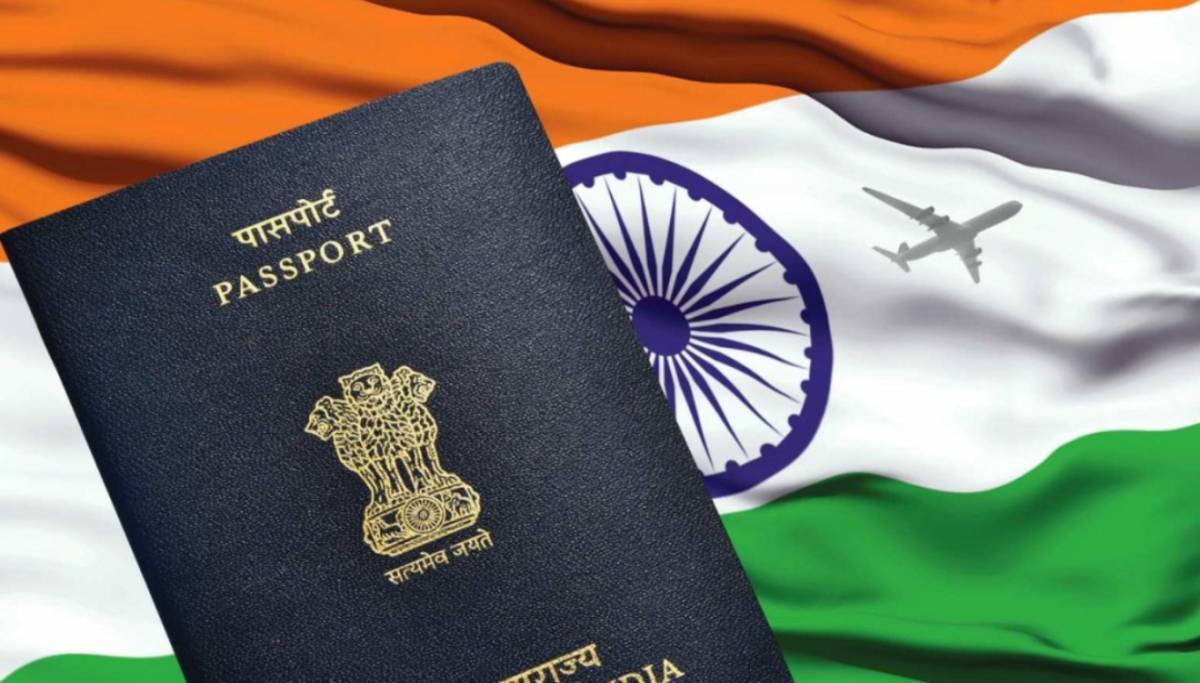
DUBAI – The Indian government has clarified that holding a passport does not automatically serve as final proof of citizenship, a clarification that is particularly relevant for millions of Indian nationals living in the UAE.
The Ministry of Home Affairs said a passport is primarily a travel document and citizenship status may require additional supporting evidence in certain legal situations. The clarification comes alongside changes to Indian consular services in the UAE, with a new service provider set to manage passport, visa and related applications.
The statement has drawn attention among overseas Indians after officials reiterated that there has been no recent policy change regarding citizenship verification. Authorities said the legal position has remained consistent for years, with citizenship determined under the Citizenship Act, 1955, while passports are issued under the Passports Act, 1967.
The clarification followed remarks from India’s Ministry of External Affairs, which stated that “a passport is a travel document, and not a document of citizenship”, leading to discussions over which documents can establish nationality under Indian law.
Legal position
The government referred to Section 20 of the Passports Act, 1967, which allows authorities to issue a passport or travel document to a person who may not be an Indian citizen in specific circumstances if considered necessary in the public interest.
Officials also cited earlier judicial observations, including a 2013 Bombay High Court judgment, which stated that possession of a passport alone cannot be treated as conclusive proof of citizenship.
According to the government, citizenship is established through legal provisions and a combination of official records. Documents such as birth certificates, school records, electoral rolls, land records and other government-issued documents may be considered when citizenship verification is required.
The clarification has gained importance for Indian nationals in the UAE, where passport renewals, visa applications, Overseas Citizen of India (OCI) services and document attestation are among the most frequently used consular services.
UAE services
Indian missions in the UAE have announced the launch of the Al Hind Indian Consular Application Centre (ICAC), which will handle several consular and passport-related applications.
The new centres will replace existing outsourced arrangements for routine services. Indian nationals in the UAE will now submit applications for passports, visas, OCI cards, attestation services and other consular requirements through the new network.
???? Important update regarding change of Service Provider for Consular Services. pic.twitter.com/kzaHCawkwZ
— India in UAE (@IndembAbuDhabi) June 19, 2026
The change comes after Indian visa, passport and attestation services in the UAE were temporarily paused until July 1 as part of the transition process.
Officials stressed that the new service arrangement only affects administrative processing and does not change the role of Indian embassies and consulates in providing consular assistance.
For UAE-based Indians, the development highlights the importance of maintaining updated identity and citizenship-related records, especially when additional documentation may be requested by authorities.
India’s e-passports
The clarification was issued as India continues to expand its passport services and digital security measures. On Passport Seva Divas, observed every year on June 24 to mark the enactment of the Passport Act, 1967, officials highlighted improvements in passport issuance and technology.
The Indian government delivered nearly 14 million passports in 2025, with the country operating 545 Passport Kendras for issuing documents.
भारत तथा विदेशों में स्थित सभी पासपोर्ट जारी करने वाले प्राधिकरणों को 14वें पासपोर्ट सेवा दिवस के अवसर पर मेरी हार्दिक शुभकामनाएँ।
— Dr. S. Jaishankar (@DrSJaishankar) June 24, 2026
पासपोर्ट सेवा कार्यक्रम 2.0 तथा चिप-युक्त ई-पासपोर्ट के क्रियान्वयन, पासपोर्ट सेवा केंद्रों (PSKs) और डाकघर पासपोर्ट सेवा केंद्रों (POPSKs) के… pic.twitter.com/hAmBQxuc6a
India has also expanded the use of electronic passports, with 14.7 million e-passports issued since their launch. These chip-based passports contain an embedded antenna and radio frequency identification (RFID) chip carrying personal details and biometric information.
Officials said e-passports make fraudulent duplication more difficult, provide greater confidence to immigration authorities overseas and support faster clearance processes.
Passport services have also become significantly faster compared with previous decades. Officials noted that in the 1980s, obtaining a passport could take three to six months and often involved long queues at limited offices. Today, the average processing time is around six working days, excluding police verification, while citizens typically spend less than 45 minutes at Passport Kendras.
Separately, the Ministry of Home Affairs has introduced updates to Overseas Citizens of India services, strengthening regulatory oversight. OCI cards allow multiple-entry, lifelong visas for eligible persons of Indian origin and their spouses, but they do not provide full citizenship or political rights.