

Etihad Rail’s first passenger station in Fujairah fully ready ahead of 2026 launch
Fleet and operations designed to meet global safety and efficiency standards
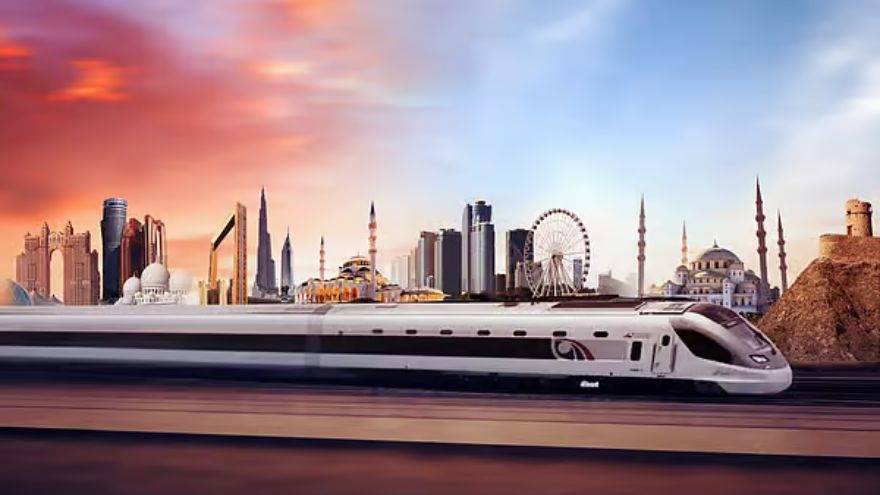
DUBAI– The UAE’s ambitious national rail project has reached a significant milestone with the completion of its first passenger station in Fujairah.
The facility, part of the Etihad Rail network, was visited by senior leadership including His Highness Sheikh Hamad bin Mohammed Al Sharqi, Ruler of Fujairah, and Sheikh Mohammed bin Hamad bin Mohammed Al Sharqi, Crown Prince of Fujairah.
Read more: https://t.co/4reJLX4B7b pic.twitter.com/EbByOwafiZ
— مكتب أبوظبي الإعلامي (@ADMediaOffice) May 5, 2026
Sheikh Theyab bin Mohamed bin Zayed Al Nahyan, Chairman of Etihad Rail, also attended the visit, during which preparations for future passenger services were reviewed. The development marks a key step towards the planned phased launch of passenger operations across the country.
Fujairah station
During the visit, the delegation toured the Fujairah passenger station, the first completed station on the national passenger rail network. Officials examined the infrastructure and service facilities that will be made available once full operations begin. The station forms part of wider development efforts aimed at improving connectivity and supporting balanced growth across the UAE.
The delegation also reviewed ongoing projects under the Emirates Council for Balanced Development in Qidfa, highlighting continued investment in regional communities and infrastructure enhancement. Senior officials, including Sheikh Saleh bin Mohamed bin Hamad Al Sharqi, Chairman of the Department of Industry and Economy in Fujairah, accompanied the visit.
According to Adhraa Almansoori, Director of Public Policy and Sustainability at Etihad Rail, passenger services will be introduced in carefully structured phases. The initial phase is scheduled to begin in 2026, with a strong focus on safety, reliability and operational efficiency aligned with international railway standards.
Etihad Rail
The first operational phase of Etihad Rail passenger services will connect Abu Dhabi and Dubai, extending further to Fujairah on the east coast. Route planning has been guided by population density, passenger demand, and inter-emirate connectivity priorities. The long-term vision includes a fully integrated network linking major urban and regional centres across the UAE.
Hamad bin Mohammed Al Sharqi, Ruler of Fujairah, Mohammed bin Hamad Al Sharqi, Crown Prince of Fujairah, and Theyab bin Mohamed bin Zayed have reviewed @ecbduae’s projects in Qidfa as part of ongoing efforts to develop UAE villages and advance balanced, sustainable development.
— مكتب أبوظبي الإعلامي (@ADMediaOffice) May 5, 2026
Once fully operational, the passenger system is expected to serve approximately 36.5 million passengers annually by 2030. Earlier announcements confirmed 11 stations across the network, including Al Sila, Al Dhannah, Al Mirfa, Madinat Zayed, Mezairaa, Al Faya, Mohammed Bin Zayed City, Jumeirah Golf Estates, University City in Sharjah, Sakamkam in Fujairah, and Al Dhaid. These locations have been strategically selected to serve population clusters and key development zones.
Integration with existing and future transport systems is also planned, with intersections identified between Etihad Rail and Dubai Metro lines, including potential links at Al Meydan and confirmed connectivity at Jumeirah Golf Estates with the Red and upcoming Gold Line. These interchanges are expected to enhance mobility across the emirates and streamline passenger transfers between rail and metro networks.
Rail fleet
Passenger operations will be supported by a modern fleet designed for efficiency and comfort. In October last year, Etihad Rail entered a joint venture with global transport operator Keolis to manage passenger services. The partnership will oversee train operations as well as integrated transport links, including buses, taxis, and parking solutions, ensuring seamless end-to-end connectivity.
The passenger experience has been designed with contemporary interiors, full Wi-Fi connectivity, and individual power outlets at every seat. Services will operate on a regular timetable, offering fast intercity travel across key destinations. Of the 13 trains designated for the service, 10 have already arrived in the UAE and have undergone testing and certification in line with international safety and quality standards. Each train has a capacity of up to 400 passengers and will be operated using advanced railway systems.