

Etihad Rail unveils first Fujairah passenger station ahead of 2026 launch
High-speed trains set to reshape journeys across the UAE network
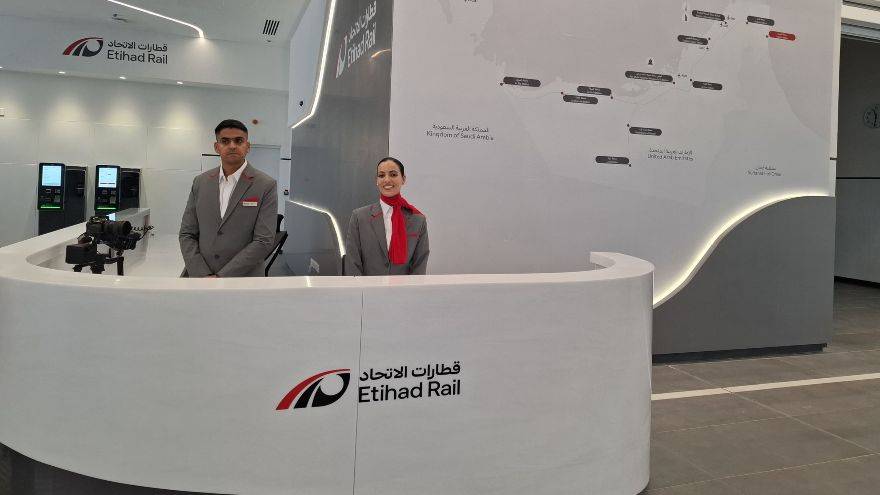
DUBAI – Etihad Rail has completed the Fujairah Passenger Station, marking a major milestone in the UAE’s rail ambitions as the country prepares for the phased introduction of passenger services.
Located in the Madinat Al Hilal area, the station covers a vast 51,900 square metres and becomes the first completed passenger station in the network ahead of operations beginning gradually later this year.
The development brings the long-awaited passenger rail project a step closer to reality, with the UAE preparing for a new era of high-speed intercity travel.
Fujairah Passenger Station
According to Adhraa Al Mansoori, Executive Director of Commercial for Etihad Rail, the station occupies a key location within Fujairah, placing travellers close to major landmarks and attractions across the emirate.
The site sits around 12 minutes from Fujairah International Airport, six minutes from Umbrella Beach Corniche and only five minutes from Sakamkam Fort. The positioning is expected to strengthen connectivity while increasing accessibility to one of the UAE’s eastern destinations.
Al Mansoori said the station is projected to deliver long-term economic benefits while transforming passenger movement within the emirate.
Faster journeys
Passenger rail services will eventually connect Fujairah with Dubai and Abu Dhabi, significantly reducing travel times. The journey between Fujairah and Abu Dhabi is expected to take 105 minutes.
Trains will operate at speeds reaching up to 200km/h and each service will accommodate as many as 400 passengers. The first operational phase will include the simultaneous launch of three routes linking Abu Dhabi, Dubai and Fujairah, while travel schedules will be released closer to launch.
Passenger experience
Etihad Rail said travellers can expect a modern transport experience featuring retail spaces, a VIP lounge, high-speed Wi-Fi and onboard dining carriages.
The station itself includes integrated facilities designed for smooth passenger movement, including waiting areas, automated payment machines, a customer service office and directional systems. Al Mansoori also noted that 70 percent of materials used in developing the national railway network came from 97 local suppliers, highlighting the role of domestic industry in the project’s development.