

Inside world’s largest aviation hub in Dubai: 10 things to expect from Al Maktoum International Airport
Take a closer look at the infrastructure shaping tomorrow’s connectivity
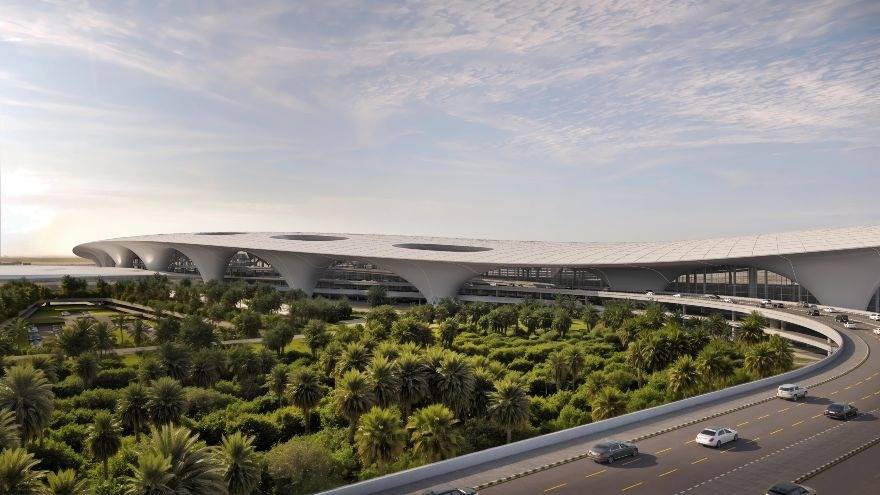
DUBAI – Dubai’s Al Maktoum International Airport is moving ahead with major construction milestones achieved across several key areas, putting the emirate’s vision for the world’s largest aviation hub firmly into motion.
The ambitious project is progressing according to its approved timeline, with operations scheduled to begin in 2032 as part of a long-term master plan.
Located at Dubai World Central, the airport is being designed as a future-ready global gateway capable of supporting decades of growth in passenger travel, cargo movement and international connectivity. From enormous terminal facilities and advanced automation systems to integrated transport networks, the development is expected to transform the way passengers experience aviation.
Ahmed bin Saeed: Al Maktoum International Airport is one of the most significant strategic projects shaping Dubai’s economic future. It embodies our leadership’s long-term vision of investing in world-class infrastructure capable of accommodating the rapid growth in travel,… pic.twitter.com/PrBAjAdHc4
— Dubai Media Office (@DXBMediaOffice) June 15, 2026
The project has entered a large-scale construction phase, with contracts worth Dh13 billion currently under execution and preparations underway for future packages exceeding Dh55 billion. When fully completed, Al Maktoum International Airport will become a central pillar of Dubai’s aviation ecosystem, supporting the objectives of the Dubai Economic Agenda, D33, and strengthening the emirate’s position as a global hub for tourism, trade and logistics.
Here are the key features shaping Dubai’s upcoming aviation landmark.
World’s largest capacity
Al Maktoum International Airport is being developed to become the world’s largest aviation hub, with a planned capacity exceeding 260 million passengers annually upon completion of its final phase.
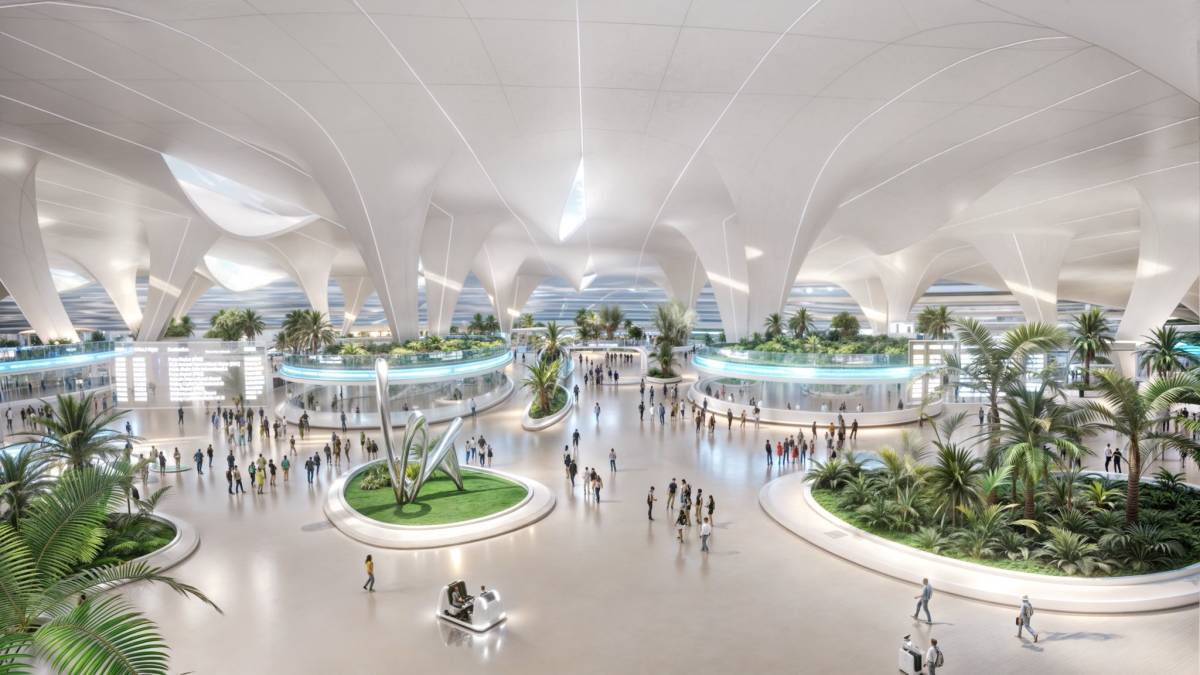
The airport will also be capable of handling up to 12 million tonnes of air cargo every year, significantly expanding Dubai’s role as a global logistics centre. The scale of the facility is designed to accommodate future growth in international travel while supporting the increasing movement of goods across global markets.
The project reflects Dubai’s long-term strategy of investing in infrastructure capable of meeting changing demands in aviation, trade and transportation.
Five independent runways
The new airport will feature five parallel runways designed to operate independently, allowing aircraft movements to be managed with greater efficiency and flexibility.
The runway infrastructure is already progressing as part of the wider construction programme, with the second runway completed in preparation for rehabilitation works on the existing runway.
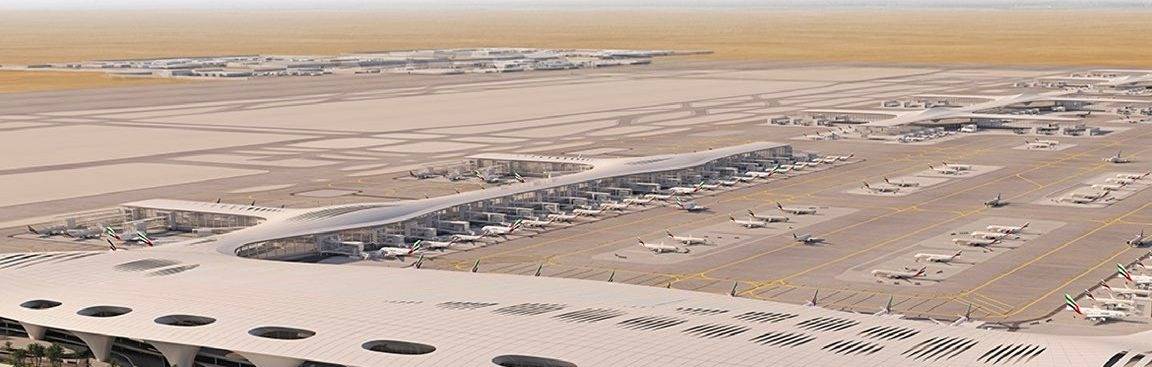
This advanced airfield design will support higher operational capacity and provide the foundation for a major aviation hub capable of managing extensive passenger and cargo operations.
Two passenger terminals
The airport master plan includes two passenger terminals designed to handle the scale of future operations.
The terminals will form the centrepiece of the passenger experience, incorporating advanced technologies, automation and intelligent systems to create a seamless journey from arrival to boarding.
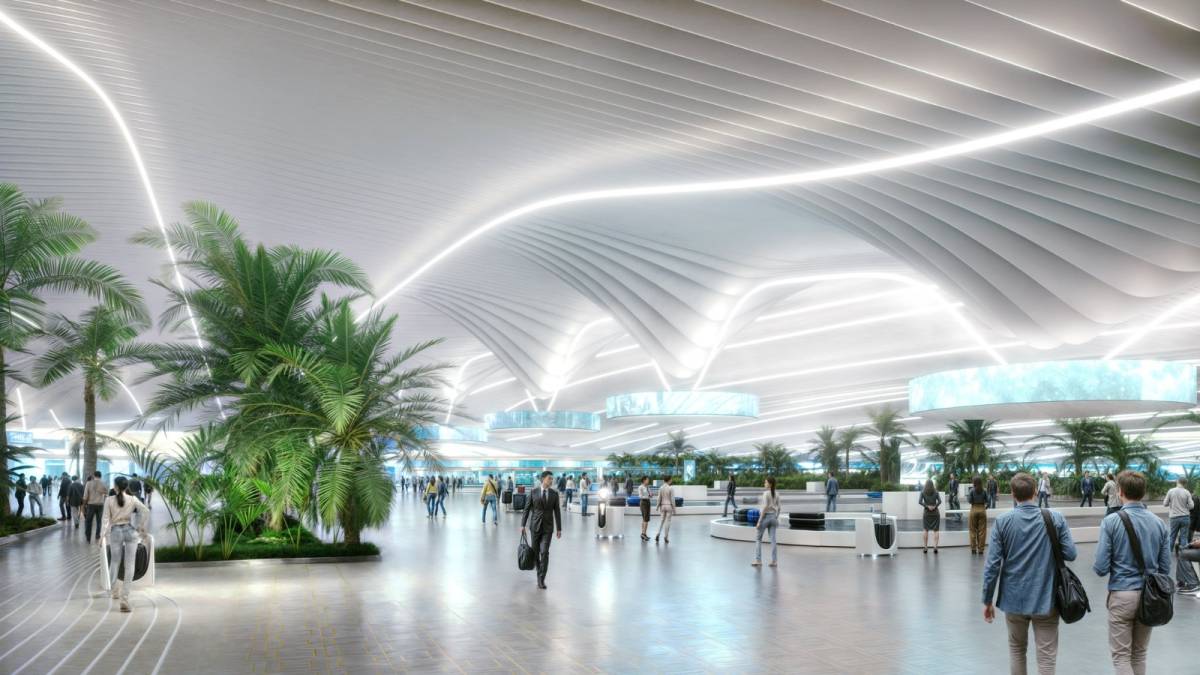
The Western Passenger Terminal is among the major packages planned for the next phase of development, including substructure and superstructure works.
Seven aircraft concourses
The airport will include seven aircraft concourses connected to more than 430 aircraft stands, creating a vast network of passenger facilities.
Major future construction packages include the development of the first, second, third and fourth aircraft concourses, alongside long-span structural frameworks covering approximately 1.5 million square metres.
These facilities will support efficient aircraft handling while enabling airlines to operate at a significantly larger scale.
Smart and automated operations
Technology will play a major role in the airport’s design, with integrated automation, operational intelligence and advanced digital systems planned across the facility.
The airport is being developed around a customer-focused operating model that connects airport systems, transport networks and passenger services.
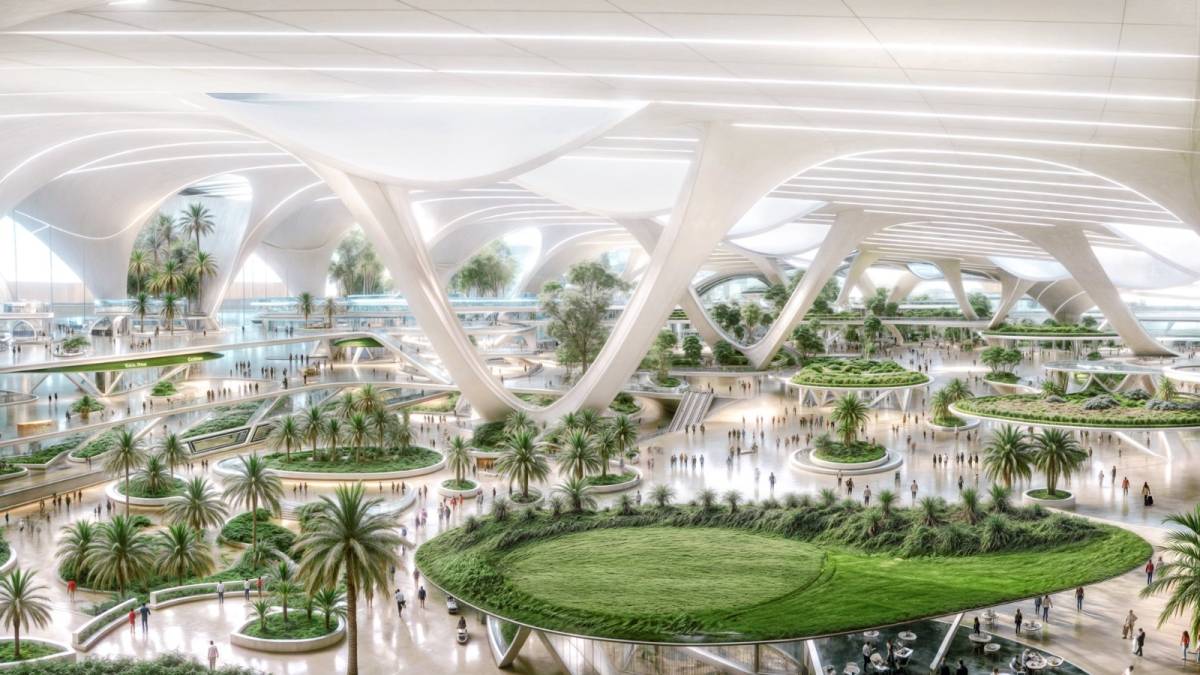
A key feature will be the Automated People Mover (APM) system, which will provide fast movement across the airport complex and support smooth passenger transfers between key areas.
Seamless air, rail and road links
Al Maktoum International Airport will be built as a fully connected transport hub, linking aviation with rail and road networks.
The integrated multimodal connectivity model is designed to improve accessibility for passengers, businesses and logistics operators.
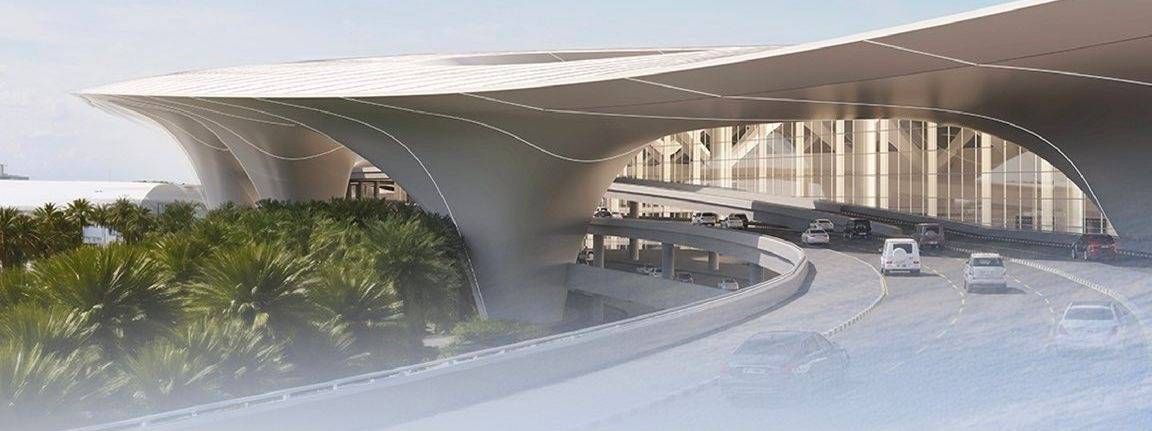
The airport’s development is also part of a wider plan to strengthen Dubai’s transport ecosystem and enhance connections between different economic sectors.
Next-generation baggage and passenger systems
Future packages include the development of advanced Baggage Handling Systems designed to improve efficiency and reliability across airport operations.
The project will also include upgraded passenger facilities, boarding infrastructure and intelligent systems aimed at supporting a smooth airport experience.
Automation and advanced operational technology will be central to managing the scale of passenger movement expected at the completed airport.
Massive construction programme
The scale of construction reflects the size of Dubai’s aviation ambitions. More than 17,000 concrete piles have been installed, while excavation works have exceeded 45 million cubic metres.
The core infrastructure package includes around 4.5 million cubic metres of concrete works. More than 10 million work hours have already been completed over the past 15 months, with around 9,000 workers currently involved on site.
The workforce is expected to increase significantly, reaching approximately 120,000 people when construction reaches peak capacity.
Future-ready energy infrastructure
The upcoming development includes major supporting infrastructure such as power generation facilities and district cooling plants to support construction and future airport operations.
These systems form part of the wider infrastructure network being built to ensure the airport can operate efficiently at a global scale.
Additional infrastructure works will cover the southern airfield area and other essential facilities required for the airport’s long-term operation.
A smooth transition from DXB
Dubai’s aviation strategy includes a carefully planned transition of operations from Dubai International Airport to Al Maktoum International Airport.
The move is being designed to maintain the service standards associated with Dubai’s aviation sector while expanding capacity for future growth.
Alongside the new airport development, Dubai Aviation Engineering Projects is continuing upgrades across existing aviation infrastructure, including improvements at Dubai International Airport and Dubai World Central.
The wider modernisation programme includes enhancements to terminal facilities, boarding areas, road access, airfield operations, baggage systems and remote aircraft boarding facilities.
A total budget of Dh16 billion has been allocated for these aviation infrastructure projects, with contracts worth more than Dh7.5 billion already awarded.