

Dubai opens upgraded Hessa Street, slashing travel time to four minutes
New bridges and ramps streamline movement across busy intersections
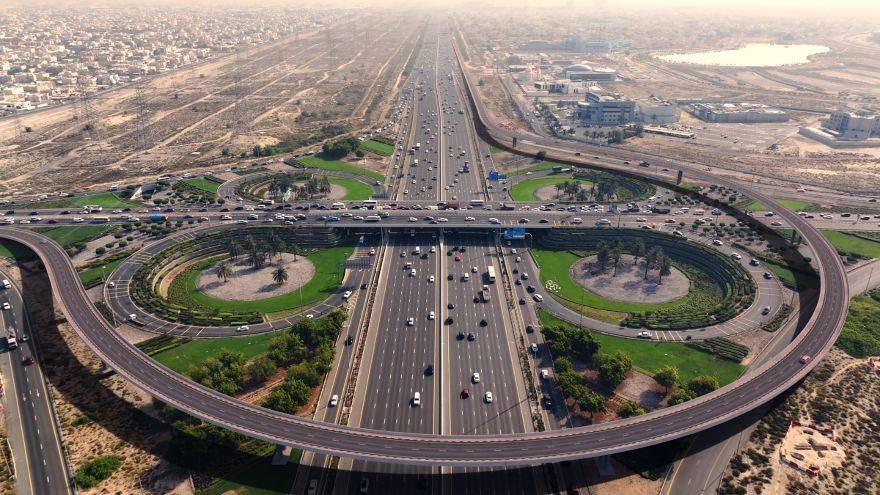
DUBAI – Dubai’s Roads and Transport Authority (RTA) has opened the full scope of works under the Hessa Street Development Project, marking a significant milestone in the emirate’s ongoing infrastructure expansion.
The upgrade covers a 4.5-kilometre stretch between Sheikh Zayed Road and Al Khail Road, transforming one of the city’s busiest corridors. The project is designed to address growing traffic demand while supporting urban expansion across several densely populated communities.
The newly enhanced route now ensures smoother traffic flow in both directions, reducing travel time from 15 minutes to just four minutes. The development is expected to benefit hundreds of thousands of residents living in surrounding districts, reinforcing Hessa Street’s role as a vital link within Dubai’s road network.
Hessa Street
Hessa Street is regarded as one of Dubai’s most important strategic road corridors, serving residential and development zones with a population projected to exceed 640,000 by 2030. The areas connected by the road include Al Sufouh 2, Al Barsha, and Jumeirah Village Circle, among others.
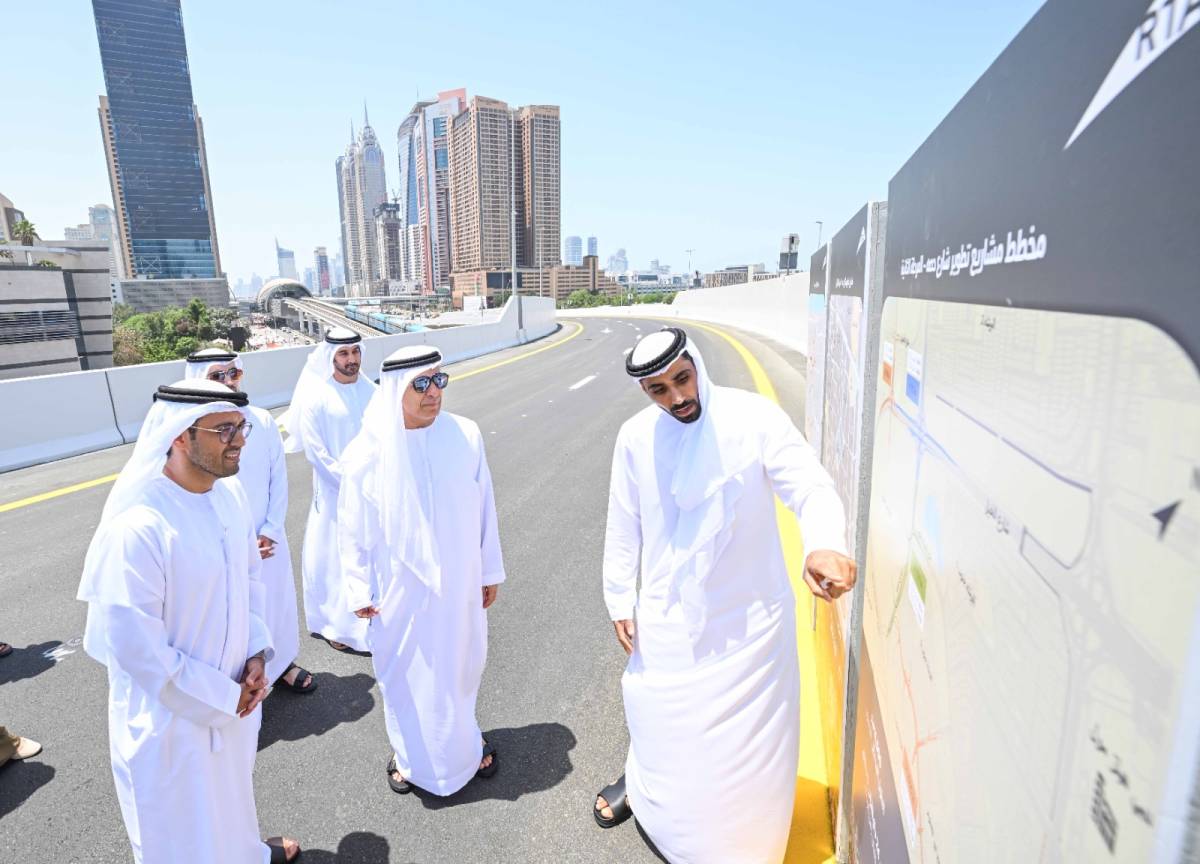
According to Mattar Al Tayer, Director General and Chairman of the Board of Executive Directors of the RTA, the project aligns with directives to enhance road infrastructure and accommodate Dubai’s rapid growth. The expansion reflects the increasing demand driven by population growth and ongoing urban development across the city.
The project has doubled the street’s capacity from 8,000 vehicles per hour to 16,000 vehicles per hour in both directions. This 100 per cent increase is expected to significantly ease congestion along the corridor, particularly during peak hours.
Key upgrades
The development involved widening Hessa Street from two lanes to four lanes in each direction, alongside major upgrades to four critical intersections. These include Sheikh Zayed Road, First Al Khail Street, Al Asayel Street, and Al Khail Road.
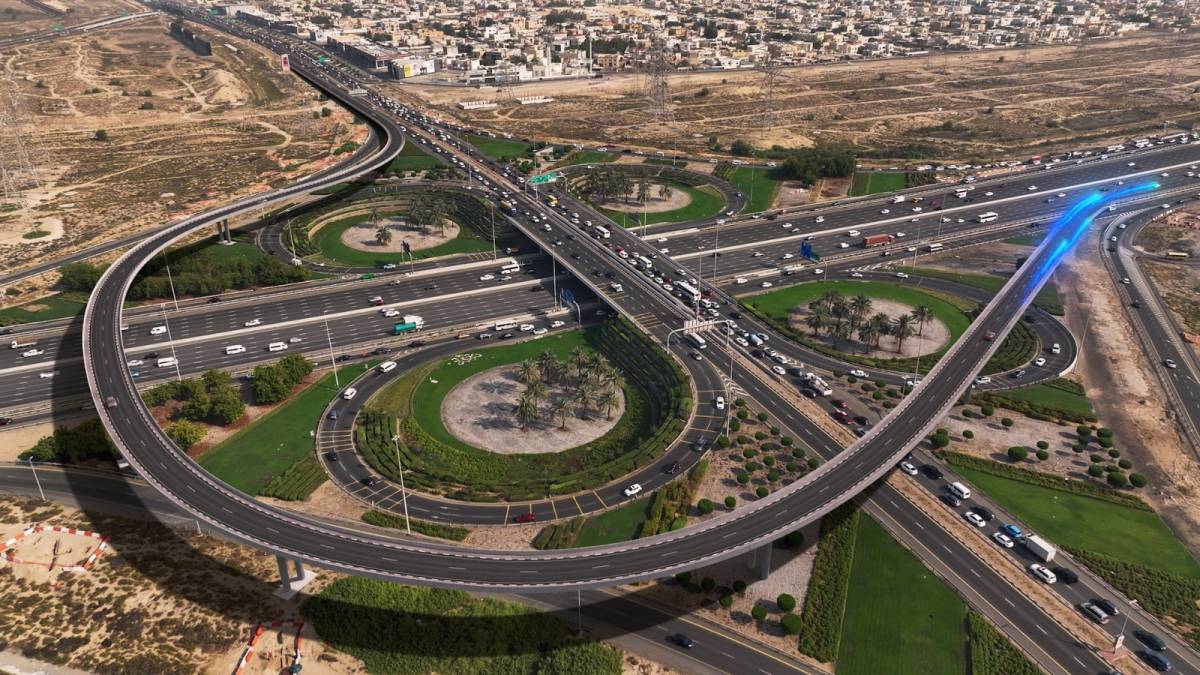
At the Sheikh Zayed Road junction, a two-lane directional ramp was constructed above the Dubai Metro Red Line. This ramp facilitates traffic turning right from Sheikh Zayed Road onto eastbound Hessa Street towards Emirates Road, improving traffic distribution and reducing bottlenecks.
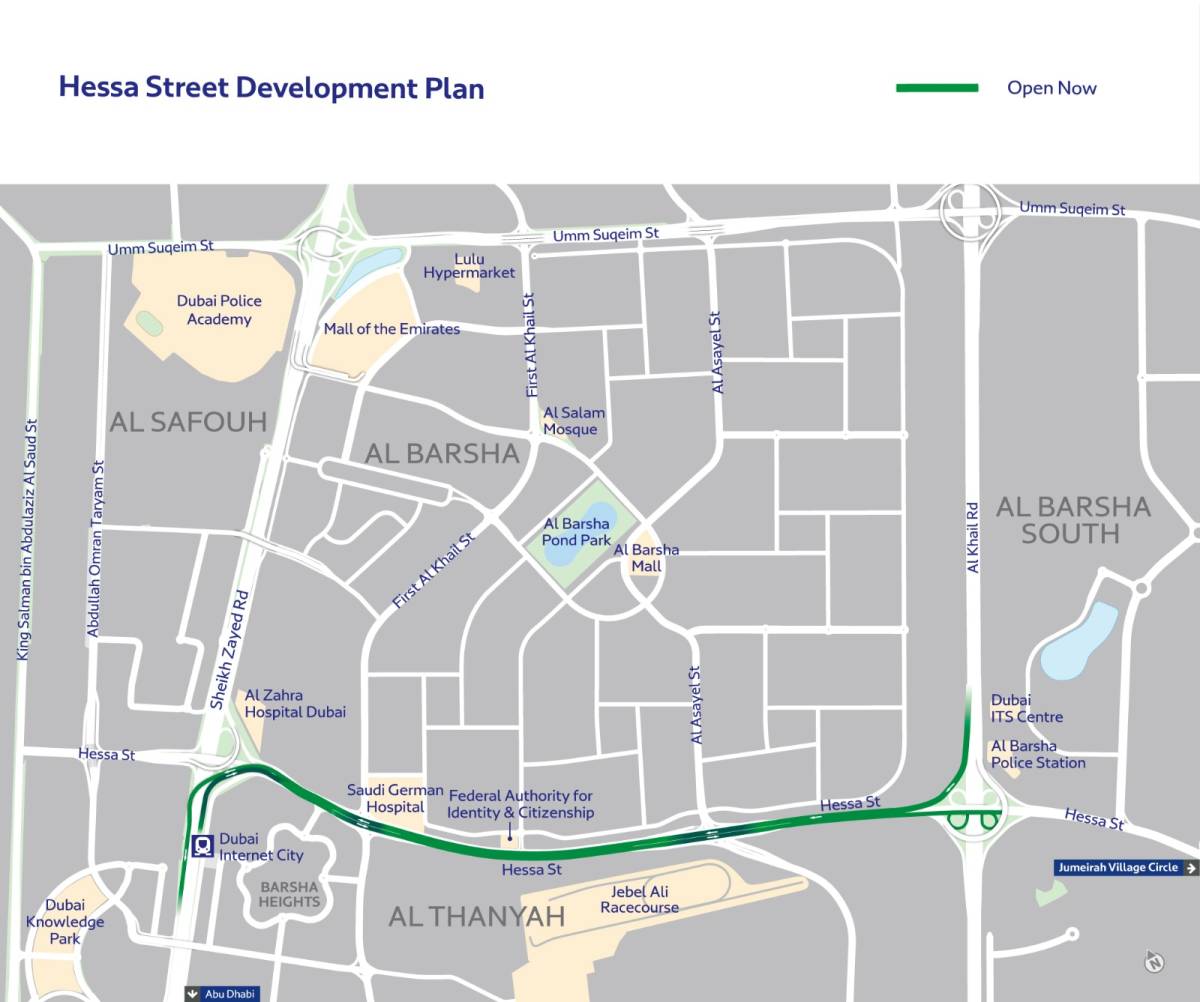
At First Al Khail Street, the existing bridge was expanded from three lanes to four lanes in each direction. Additional traffic enhancements were also introduced at the signal-controlled intersection to improve flow and reduce waiting times.
The intersection with Al Asayel Street saw the construction of a new parallel bridge, increasing capacity from two lanes to four lanes in each direction. Traffic improvements were also implemented at the ground-level intersection to support smoother movement.
At Al Khail Road, a direct two-lane ramp now enables traffic from Hessa Street to merge onto northbound Al Khail Road towards Sharjah. Additional bridges were constructed to facilitate movement towards Deira, further enhancing connectivity across the network.
Traffic impact
The upgraded corridor is expected to play a crucial role in easing traffic congestion across several major routes. By improving connectivity between Sheikh Zayed Road and Al Khail Road, the project provides a seamless travel experience for commuters navigating between key parts of the city.
The reduction in travel time from 15 minutes to four minutes represents a substantial improvement in journey efficiency. This is particularly significant for residents commuting daily through areas such as Jumeirah Lakes Towers, Barsha Heights, and The Greens.
The enhanced infrastructure is also expected to support economic activity by improving access to commercial and residential hubs. With increased road capacity and reduced delays, the corridor can accommodate higher traffic volumes without compromising efficiency.
Phase Two
Work has already begun on Phase 2 of the Hessa Street Development Project, which will extend the corridor from Al Khail Road to Sheikh Mohammed bin Zayed Road over a three-kilometre stretch. This phase aims to further enhance connectivity and accommodate rising traffic demand.
The second phase includes the construction of 8,835 metres of bridges and a 480-metre tunnel, alongside upgrades to entry and exit points on several roads. Three major intersections will be redeveloped as part of this expansion.
Once completed, Phase 2 will double road capacity from 4,000 vehicles per hour to 8,000 vehicles per hour in each direction. Travel time along this stretch is expected to drop from 24 minutes to just five minutes, offering a significant improvement for commuters.
Traffic volumes in the Phase 2 corridor are estimated at around 500,000 trips per day, highlighting the importance of the upgrade. The development will serve approximately 650,000 residents across multiple communities.
Key areas benefiting from the project include Jumeirah Village Circle, Arjan, Dubai Science Park, Al Barsha South, Jumeirah Lakes Towers, Jumeirah Islands, Barsha Heights, The Greens, and Emirates Hills. The improved infrastructure is set to enhance mobility across these districts, supporting both residential and commercial growth.