

Dubai’s Rashid Villages expands to Zanzibar with new sustainable community for families
Initiative builds on first village established in Kenya last year
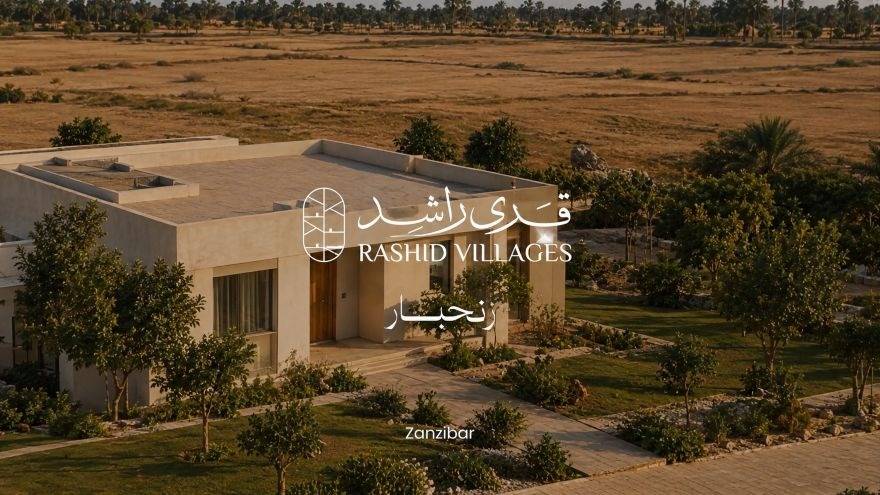
DUBAI – The Rashid Villages humanitarian initiative is expanding to Zanzibar, where a second integrated and sustainable community will be developed for beneficiary families.
The project is being launched under the directives of His Highness Sheikh Hamdan bin Mohammed bin Rashid Al Maktoum, Crown Prince of Dubai, Deputy Prime Minister and Minister of Defence of the UAE, and Chairman of the Executive Council of Dubai. The launch marks the 11th anniversary of the passing of the late Sheikh Rashid bin Mohammed bin Rashid Al Maktoum and continues an initiative established to preserve his legacy of giving.

The Zanzibar project follows the first Rashid Village, which was established in Kenya last year as part of Sheikh Hamdan’s initiative to transform humanitarian support into sustainable development projects. The model is designed to provide families in need with more than housing, bringing together essential services, education, healthcare and opportunities to generate income.
Sustainable community
The second phase in Zanzibar will create a fully integrated community with furnished homes and facilities intended to support residents’ everyday needs. Sustainable infrastructure has been incorporated into the design, with renewable energy sources planned to help improve the efficiency and long-term operation of the village’s facilities.
The community will include a mosque and retail outlets, with the commercial facilities designed to encourage economic activity and create sustainable sources of income. Education and healthcare services will also be available within the village, allowing beneficiary families to access essential facilities close to home.
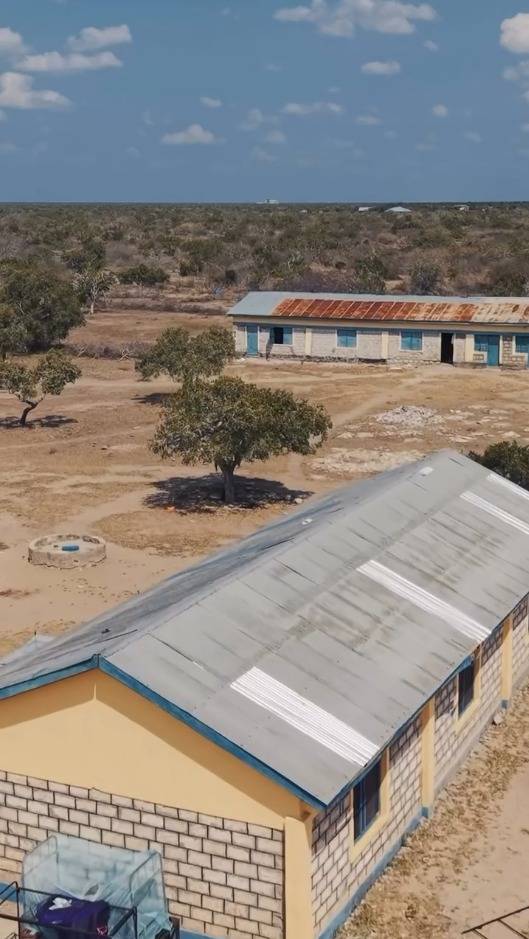
The development is centred on helping families build greater economic independence. Training programmes will provide opportunities to develop practical skills, while support for small businesses and other economic activities will help residents establish sources of income and move towards self-reliance.
Outdoor facilities and sports grounds will form part of the village, alongside modern infrastructure and community services. Together, these elements are intended to create a settlement where housing, essential services and opportunities for personal and economic development are brought together.
Rashid Villages
Sheikh Hamdan said the project reflects the values of his late brother and aims to ensure that his legacy continues through initiatives that benefit communities.
He noted that the first Rashid Village was launched in Kenya last year and that the Zanzibar project extends the initiative to more families and communities. The initiative seeks to provide stability, opportunities and support that can help beneficiary families build sustainable livelihoods and become self-reliant.
The Rashid Villages initiative was launched by Sheikh Hamdan in September last year, coinciding with the 10th anniversary of Sheikh Rashid bin Mohammed bin Rashid Al Maktoum’s passing. Its first phase began in Kenya with an integrated model covering housing, education, healthcare, social services and economic opportunities.
The Supervisory Committee of Rashid Villages, chaired by Sheikh Mohammed bin Rashid bin Mohammed bin Rashid Al Maktoum, is overseeing the implementation of the initiative and its different phases. The committee is responsible for monitoring progress and ensuring the projects remain aligned with the humanitarian and development objectives behind the initiative.
Its work also includes following the progress of the first village in Kenya, including the development of its facilities and services. The committee is also overseeing plans to extend Rashid Villages to additional communities, with a focus on maintaining the initiative’s long-term sustainability and broadening its reach.
The Zanzibar village therefore represents the second phase of a wider development model that combines family housing with access to services, skills development, renewable energy and economic opportunities.