

UAE neutralises 9 ballistic missiles, 6 cruise missiles, 148 drones
Ten people sustain minor injuries during latest interceptions
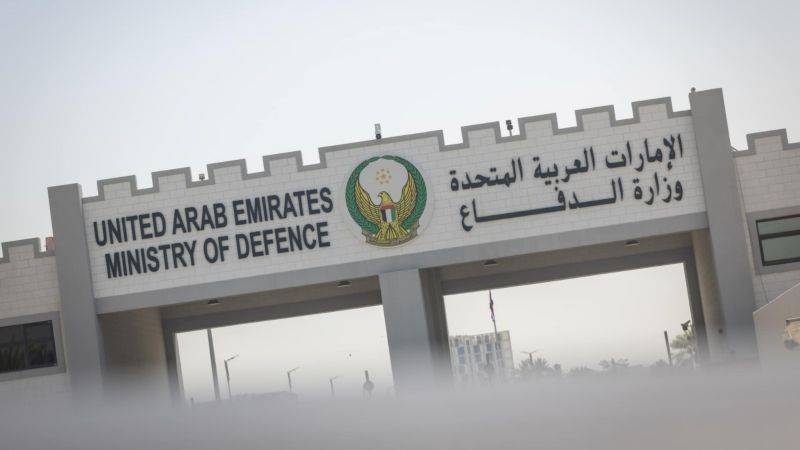
ABU DHABI – The UAE’s air defence systems intercepted a large wave of incoming threats on Monday, the Ministry of Defence confirmed, as tensions in the region continued to intensify.
Officials said multiple layers of defence were activated across the country during the operation. The latest interceptions resulted in limited casualties and minor property damage.
The ministry reported that nine ballistic missiles, six cruise missiles and 148 drones were successfully destroyed during the most recent incident, with 10 people sustaining minor injuries.
Latest interceptions
According to the ministry, the UAE has faced sustained aerial threats since what it described as the start of “blatant Iranian aggression”. In total, 174 ballistic missiles launched towards the country have been detected. Of these, 161 were intercepted and destroyed, while 13 fell into the sea.
UAE’s air defenses successfully intercept 9 ballistic missiles, 6 cruise missiles, 148 drones
— وزارة الدفاع |MOD UAE (@modgovae) March 2, 2026
The Ministry of Defence announced that the UAE’s air defenses successfully intercepted today 9 ballistic missiles, 6 cruise missiles, and 148 drones.
The Ministry explained that since… pic.twitter.com/uF7B33F5qO
Air defence forces also detected 689 Iranian drones during the same period. Officials said 645 were intercepted, while 44 landed within UAE territory. In addition, eight cruise missiles were detected and destroyed, though the interceptions caused some collateral damage in affected areas.
The incidents have so far resulted in three fatalities involving individuals of Pakistani, Nepalese and Bangladeshi nationalities. Authorities also recorded 68 minor injuries among people of multiple nationalities, including Emirati, Egyptian, Ethiopian, Filipino, Pakistani, Iranian, Indian, Bangladeshi, Sri Lankan, Azerbaijani, Yemeni, Ugandan, Eritrean, Lebanese and Afghan.
The ministry stated that the loud sounds reported across several parts of the country were caused by air defence systems intercepting ballistic missiles, along with fighter jets engaging drones and cruise missiles. These operations led to minor to moderate material damage to a number of civilian properties.
Officials strongly condemned the attacks, describing them as a blatant act of aggression and a clear violation of national sovereignty and international law. The ministry affirmed that the UAE reserves the right to respond to the escalation and to take all necessary measures to protect its territory and population.
Authorities emphasised that the armed forces remain on high alert and fully prepared to confront any threat. The safety of citizens, residents and visitors, the Ministry said, remains an absolute priority.
Regional response
In a separate joint statement issued later, the United Arab Emirates, the State of Qatar, the Kingdom of Saudi Arabia, the Kingdom of Bahrain, the Hashemite Kingdom of Jordan, the State of Kuwait and the United States strongly condemned what they described as Iran’s indiscriminate missile and drone attacks across the region.
The countries said the strikes targeted sovereign territories, endangered civilian populations and damaged civilian infrastructure in multiple states, including the UAE, Bahrain, Jordan, Kuwait, Oman, Qatar, Saudi Arabia and Iraq, including the Kurdistan Region of Iraq.
The joint statement characterised the attacks as a dangerous escalation that violates the sovereignty of multiple nations and threatens regional stability. It stressed that targeting civilians and countries not engaged in hostilities represents reckless and destabilising behaviour.
The signatories reaffirmed their united stance in defence of their citizens and territories and underscored their right to self-defence. They also commended ongoing air and missile defence cooperation, noting that coordinated efforts had prevented far greater loss of life and destruction.