

UAE sends aid as Afghanistan earthquake death toll climbs to 1,124
Rescue efforts hampered by rain, landslides and blocked mountain roads
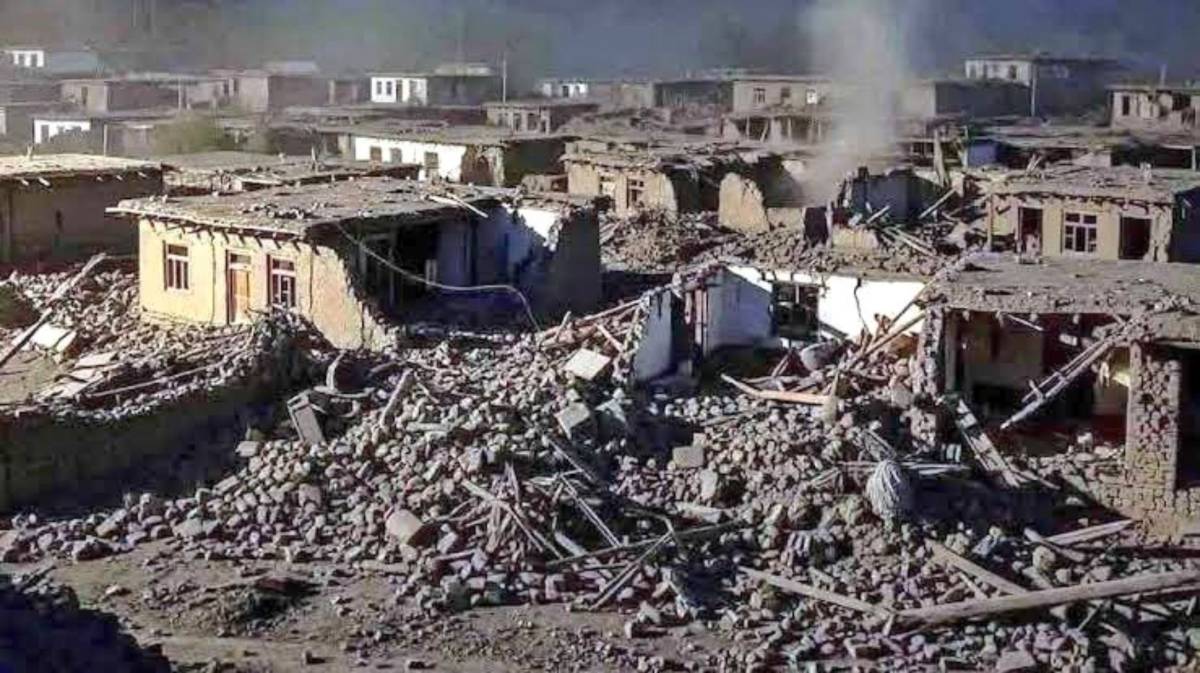
DUBAI/KABUL – The United Arab Emirates (UAE) has swiftly mobilised relief efforts to support Afghanistan after a devastating earthquake killed at least 1,124 people and injured more than 3,250.
More than 8,000 houses have been destroyed in the disaster, the Afghan Red Crescent Society, a humanitarian group working in the region, said on Tuesday.
Under the directives of President His Highness Sheikh Mohamed bin Zayed Al Nahyan, an Emirati search and rescue team has been dispatched to eastern Afghanistan, along with urgent humanitarian supplies including food, tents, and medical materials.
The team, comprising personnel from the Abu Dhabi Civil Defence Authority, the National Guard and the Joint Operations Command, will assist with rescue operations in remote villages reduced to rubble by the magnitude 6.0 quake. The UAE’s response is part of its international humanitarian mission, reinforcing solidarity in times of crisis and extending vital support to affected families.
#عاجل_وام
— وكالة أنباء الإمارات (@wamnews) September 1, 2025
بتوجيهات #رئيس_الدولة.. #الإمارات ترسل فريق البحث والإنقاذ وتقدم مساعدات إنسانية عاجلة للمتأثرين من زلزال شرق #أفغانستان#وام https://t.co/zPDdgf4Vyx pic.twitter.com/d3eOGxNU4R
Afghanistan’s Taliban authorities have appealed for international help, warning that the scale of devastation far exceeds local capacity. The disaster adds to the country’s mounting challenges, with aid cuts and severe food shortages already straining communities.
Afghanistan earthquake
The earthquake struck around midnight near Jalalabad in Nangarhar province, about 27 kilometres north-east of the city, close to the border with Pakistan. According to the United States Geological Survey, it was relatively shallow at 8–10 kilometres deep, increasing its destructive impact.
Entire villages in neighbouring Kunar province were razed, with officials confirming that 610 people were killed there alone. In Nangarhar, 12 fatalities were recorded, while damage was also reported in Laghman, Nuristan and Panjshir provinces. More than 500,000 people are estimated to have felt strong to very strong shaking, with mudbrick homes collapsing across hillsides.
Rescue operations have been hampered by heavy rain, landslides and blocked mountain roads. Aid workers noted that some valleys in Kunar remain cut off, with travel to the worst-hit communities taking up to three hours on foot.
باشندگان ولایت کنر با امکانات ابتدایی و ابزارهای ساده، تلاش میکنند تا اجساد قربانیان زمین زلزله اخیر را از زیر آوار بیرون بکشند. pic.twitter.com/GksqXMu3w0
— افغانستان اینترنشنال (@AFIntlBrk) September 2, 2025
Residents described desperate scenes as families searched for loved ones under collapsed houses. Images from the ground showed homes swept away by mud and rubble, while helicopters ferried the injured to hospitals.
The Taliban spokesperson Zabihullah Mujahid confirmed the death toll had reached 812 by Monday evening, with numbers expected to rise as rescuers access remote areas. Thousands are injured, and international organisations warn the humanitarian situation will worsen without immediate intervention.
Where is aid coming from?
The UN Secretary-General António Guterres pledged to “spare no effort” in assisting Afghanistan, while agencies including UNICEF, WHO and UNHCR are already operating in the field. WHO has deployed health teams, medicines and supplies, while UNHCR warned that casualties in Jalalabad may be particularly high.
The devastating earthquake that hit eastern Afghanistan has put thousands of children at risk.
— UNICEF (@UNICEF) September 1, 2025
UNICEF is already on the ground working with partners to deploy mobile health teams and life-saving emergency hygiene and shelter supplies, such as soap, warm clothing, shoes,… pic.twitter.com/awaIbfigfW
The UN Humanitarian Air Service has increased flights between Kabul and Jalalabad to deliver cargo and personnel. UNICEF officials noted that the timing of the quake, with families sleeping indoors, contributed to the high death toll.
Globally, governments have started to respond. The UK announced £1 million ($1.3 million) in emergency aid, India delivered tents and food supplies, and China pledged assistance “according to Afghanistan’s needs”. However, despite offering condolences, the US has yet to confirm any direct aid.
Deeply saddened by the loss of lives due to the earthquake in Afghanistan. Our thoughts and prayers are with the bereaved families in this difficult hour, and we wish a speedy recovery to the injured. India stands ready to provide all possible humanitarian aid and relief to those…
— Narendra Modi (@narendramodi) September 1, 2025
International relief comes against the backdrop of shrinking global funding. Humanitarian aid to Afghanistan has fallen to $767 million this year, compared with $3.8 billion in 2022. This has limited the ability of agencies to respond quickly to crises. The World Food Programme, for example, can no longer deliver aid by air to isolated villages.