

New 800-metre tunnel reduces Dubai commute to just 3.8 minutes
Umm Suqeim Street upgraded to handle 16,000 vehicles per hour

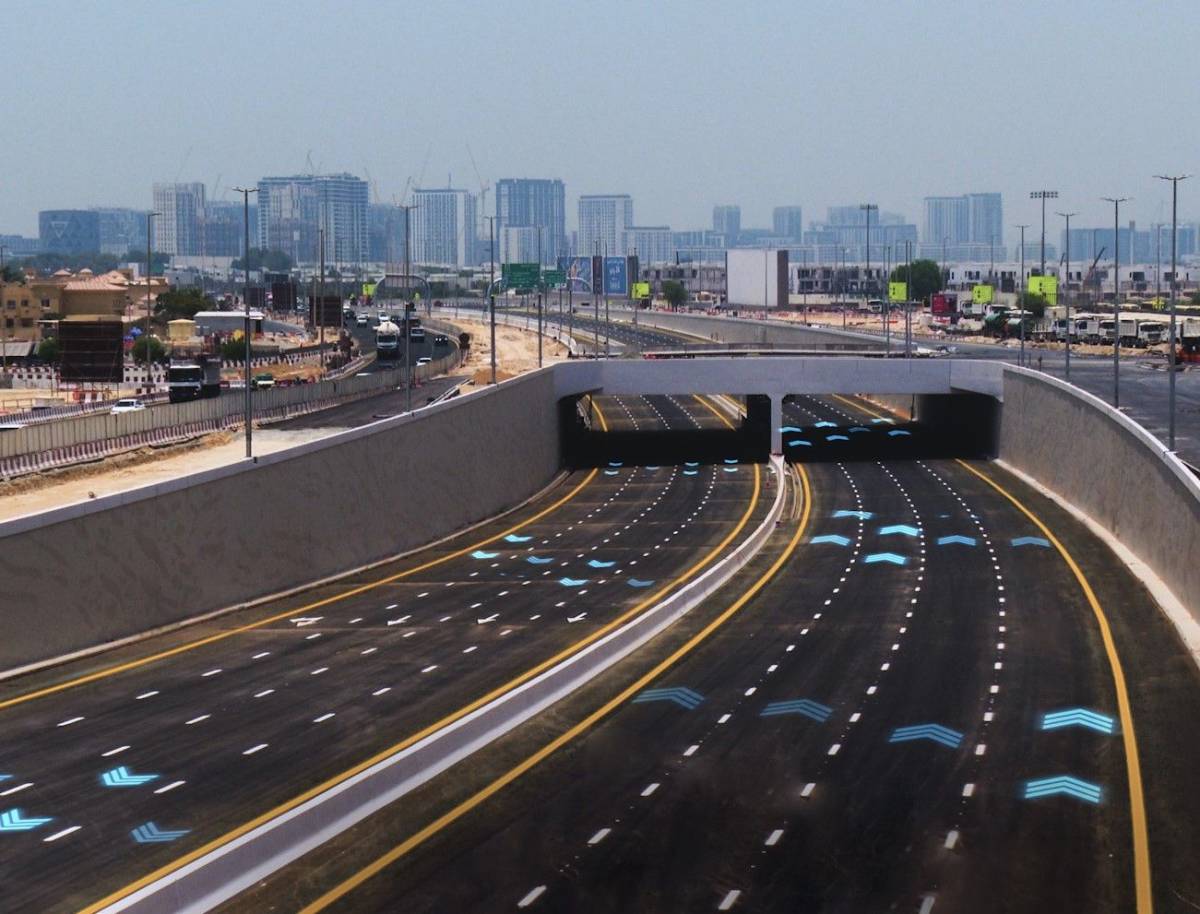
DUBAI’s Roads and Transport Authority (RTA) has inaugurated an 800-metre tunnel with four lanes in each direction on Umm Suqeim Street, marking a milestone in the city's growing road infrastructure network.
The new tunnel spans from the intersection with Al Khail Road to Sheikh Mohammed bin Zayed Road, forming a vital part of a larger 4.6 km upgrade.
This project significantly enhances traffic flow in the city by connecting key corridors – Sheikh Zayed Road, Al Khail Road, Sheikh Mohammed bin Zayed Road, and Emirates Road.
With a new capacity of 16,000 vehicles per hour in both directions, the tunnel reduces travel time between Sheikh Mohammed bin Zayed Road and Al Khail Road by 61%, cutting the commute from 9.7 minutes to just 3.8.
What areas will benefit the most?
The tunnel serves several fast-growing residential and business areas, including Al Barsha South 1, 2, and 3, Dubai Hills, Arjan, and Dubai Science Park. These neighbourhoods together house over one million residents, making the improved connectivity a key asset for daily commuters.
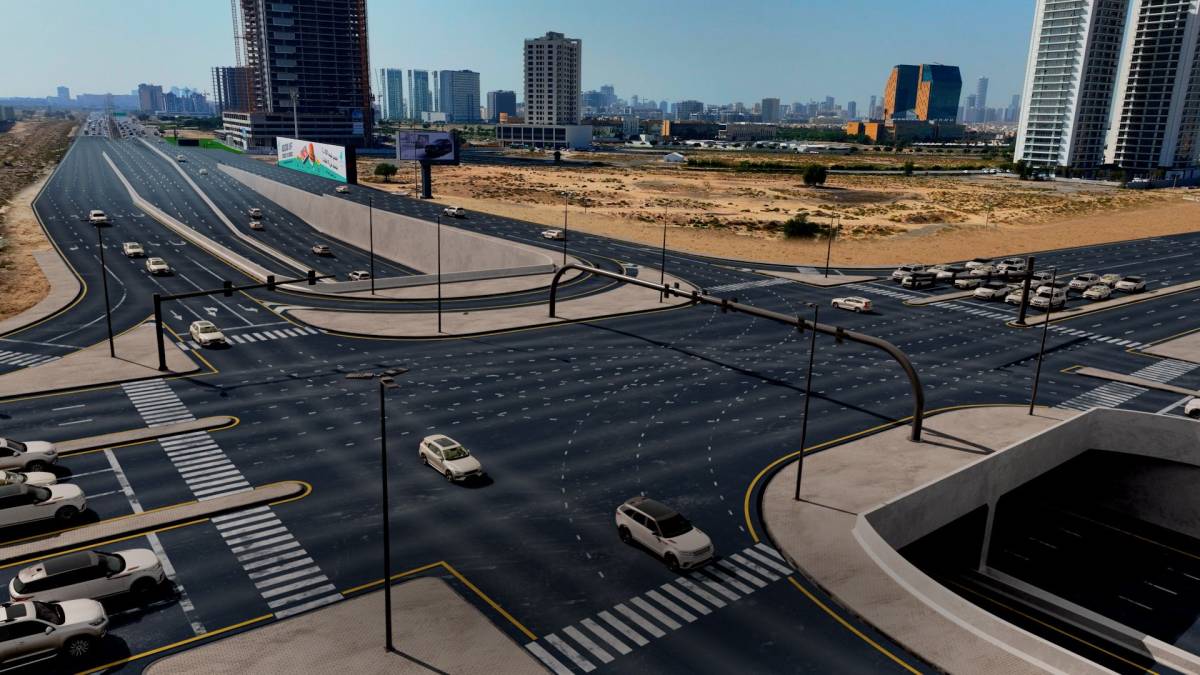
As part of the project, the intersection of Umm Suqeim Street with Al Barsha South Street—near Kings’ School – was also upgraded. A new signalised surface-level intersection was constructed above the tunnel, ensuring smoother traffic management in the area.
Why is this project considered strategic?
This tunnel is part of a larger corridor development stretching 16 km from Jumeirah Street to Emirates Road, known as the Umm Suqeim–Al Qudra corridor.
The initiative plays a critical role in strengthening Dubai’s east–west road network and improving integration with major north–south routes.
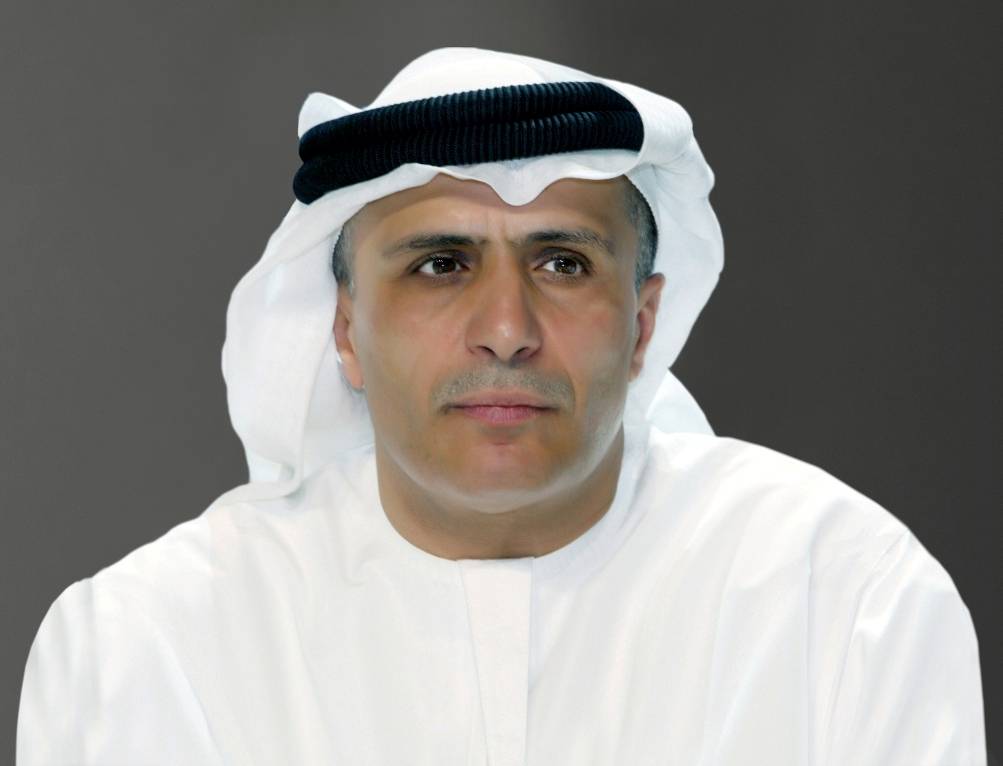
RTA’s Director General, Mattar Al Tayer, stated that the completion of the tunnel complements broader infrastructure efforts to meet the needs of Dubai’s expanding population and rapid urban development.
How was smart tech used in construction?
RTA employed advanced technologies such as artificial intelligence and drone surveillance to monitor project progress. Drones collected construction data in real-time, enabling faster decision-making, increased accuracy, and enhanced operational efficiency.
This tech-driven approach resulted in a 60% reduction in the time required for field surveys and a 40% increase in monitoring efficiency. The use of time-lapse imaging further supported continuous oversight of the construction process, effectively doubling the on-site response capability.
When were previous phases completed?
The current tunnel is the latest in a series of upgrades to Umm Suqeim Street. In 2013, RTA completed Phase I of the development between Sheikh Zayed Road and Al Khail Road. This earlier phase included two bridges with three lanes in each direction, crossing over the eastern and western streets parallel to Al Asayel Street and First Al Khail Road.
Signalised intersections were also introduced at these junctions, along with three pedestrian bridges that improved safety between Al Quoz and Al Barsha.
In 2020, RTA completed a separate bridge project on Umm Suqeim Street at the Dubai Hills and Al Barsha South junction. The 500-metre bridge, which also includes four lanes in both directions, provides an additional capacity of 16,000 vehicles per hour and supports access to Dubai Hills Mall and surrounding areas.