

UAE midday summer ban: Delivery riders cannot be forced to work, confirms ministry
Interactive maps help riders locate nearby cooling facilities across the country
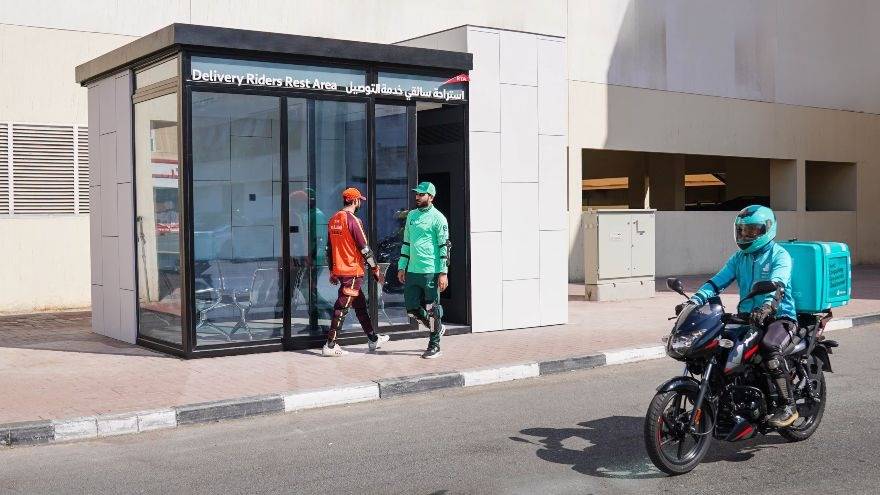
DUBAI – The United Arab Emirates (UAE) has reaffirmed that delivery riders cannot be compelled to work during the country's annual midday summer work ban, with authorities also expanding a nationwide network of more than 12,000 air-conditioned rest stations to help workers cope with soaring temperatures.
The clarification by the Ministry of Human Resources and Emiratisation (MoHRE) comes as the Occupational Heat Stress Prevention Policy remains in force from June 15 to September 15. The policy prohibits work under direct sunlight and in open areas between 12.30pm and 3pm every day during the summer period. While delivery services may continue under specific regulations, riders can choose whether to work during the restricted hours in coordination with their employer.
Companies are not permitted to force delivery riders to work during the midday break.
Rider protection
MoHRE said delivery workers benefit from a dedicated set of safeguards designed specifically for the nature of their work, as riders remain mobile rather than operating from fixed workplaces and often transport time-sensitive orders.
The ministry has established more than 12,000 air-conditioned rest stations across the UAE in partnership with government entities and private-sector organisations. Riders can locate the nearest cooling facility through interactive maps available on their delivery applications.
Delivery platforms are also required to ensure riders know the locations of these stations, provide access to maps and guidance, and ensure the facilities offer sufficient seating and cold drinking water.
Platform rules
The ministry said delivery on foot is prohibited during the restricted hours, while platforms must reduce workloads between 12.30pm and 3pm. Riders cannot be assigned more than three delivery orders during that period, and the total delivery time must not exceed 60 minutes.
Companies are also responsible for providing hydration supplies, cooling equipment and other facilities that support workers' wellbeing, while organising schedules to minimise heat exposure and ensure adequate rest.
In Dubai, the Roads and Transport Authority has introduced 23 temporary rest areas for delivery riders at Metro and bus stations during the midday break, representing a 53 per cent increase from 2025. The wider initiative is supported by partners including Abu Dhabi Mobility, Emarat, Talabat, Deliveroo, Noon, Careem, Keeta, restaurants, shopping centres, retail outlets and cloud kitchens.
MoHRE said compliance is monitored through smart digital systems, field inspection campaigns and awareness programmes, while members of the public can report violations through the ministry's call centre, website or smart application.