

Where to watch 5-hour Blood Moon during total lunar eclipse in UAE
Best spots in Dubai and beyond to watch rare celestial spectacle
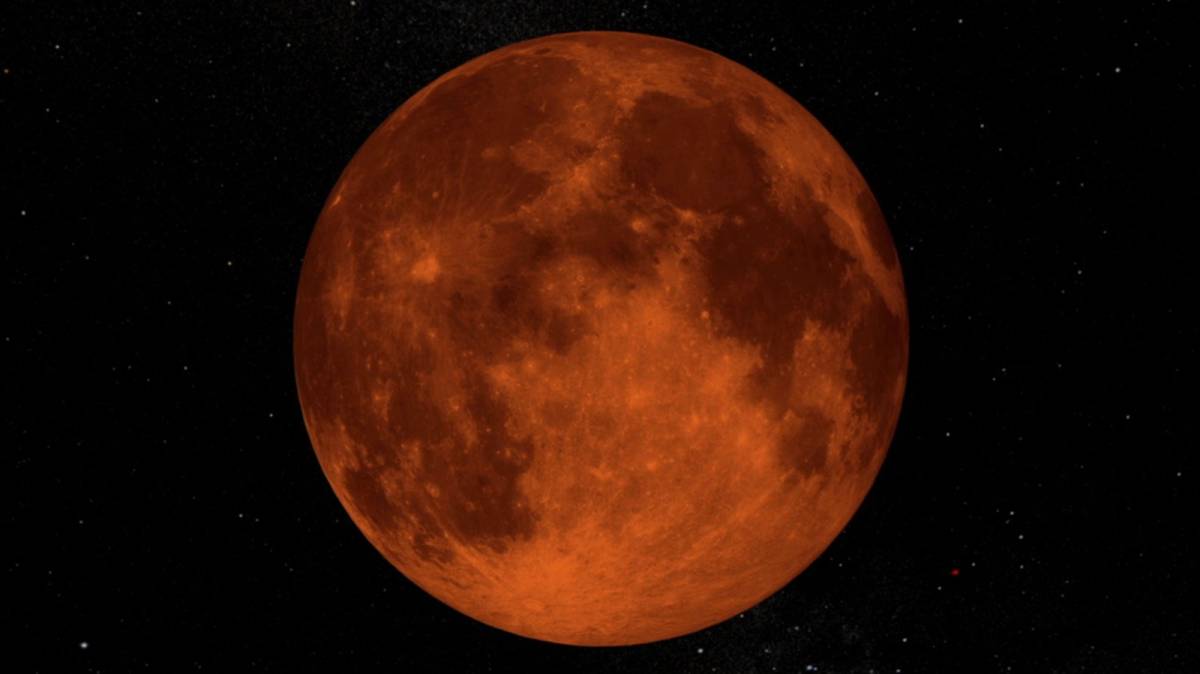
DUBAI – A rare total lunar eclipse, known as a Blood Moon, will be visible across the UAE on Sunday (7th September 2025), continuing into the early hours of Monday.
The celestial spectacle will unfold for more than five hours, offering residents in all seven emirates the chance to witness one of the longest eclipses in recent history.
The Dubai Astronomy Group has called the event “one of the most photogenic eclipses of the decade,” with the total phase lasting 82 minutes. Nearly 87 percent of the world’s population across Asia, Africa, Europe, the Middle East and Australia will also be able to see at least part of the eclipse.
The show begins at 7.28pm with the faint penumbral phase, followed by the partial eclipse at 8.27pm. Totality starts at 9.30pm, peaks at 10.12pm, and ends at 10.53pm. The shadow gradually recedes until the final penumbral stage ends at 12.55am on Monday.
What is Blood Moon?
A Blood Moon occurs when the Sun, Earth and Moon align perfectly, with the Earth casting its shadow on the lunar surface. Rather than disappearing, the Moon glows deep red or copper as sunlight bends through the Earth’s atmosphere. Blue wavelengths scatter more easily, leaving behind the longer red tones that paint the Moon’s surface in fiery shades.
This rare alignment makes September’s eclipse a major highlight for astronomers and casual skywatchers alike. The best part: it requires no special glasses or filters and can be enjoyed safely with the naked eye. Binoculars or telescopes, however, will reveal sharper details and enhance the colours.
Where to watch in UAE
From city landmarks to quiet desert spots, there are plenty of options to witness the eclipse across the country:
Mohammed bin Rashid Library, Dubai: Dubai Astronomy Group is hosting a public viewing from 7pm to 11pm with telescopes, astrophotography workshops and expert talks. Tickets cost Dh250 ($68) for adults and Dh200 for children. A global livestream will also run, with an attempt to capture the Moon framed against Burj Khalifa.
Hatta, Dubai: Nestled in the Hajar Mountains, Hatta combines mountain backdrops with night sky views. Light pollution exists, but the area also offers camping and hiking options for those making a trip of it.
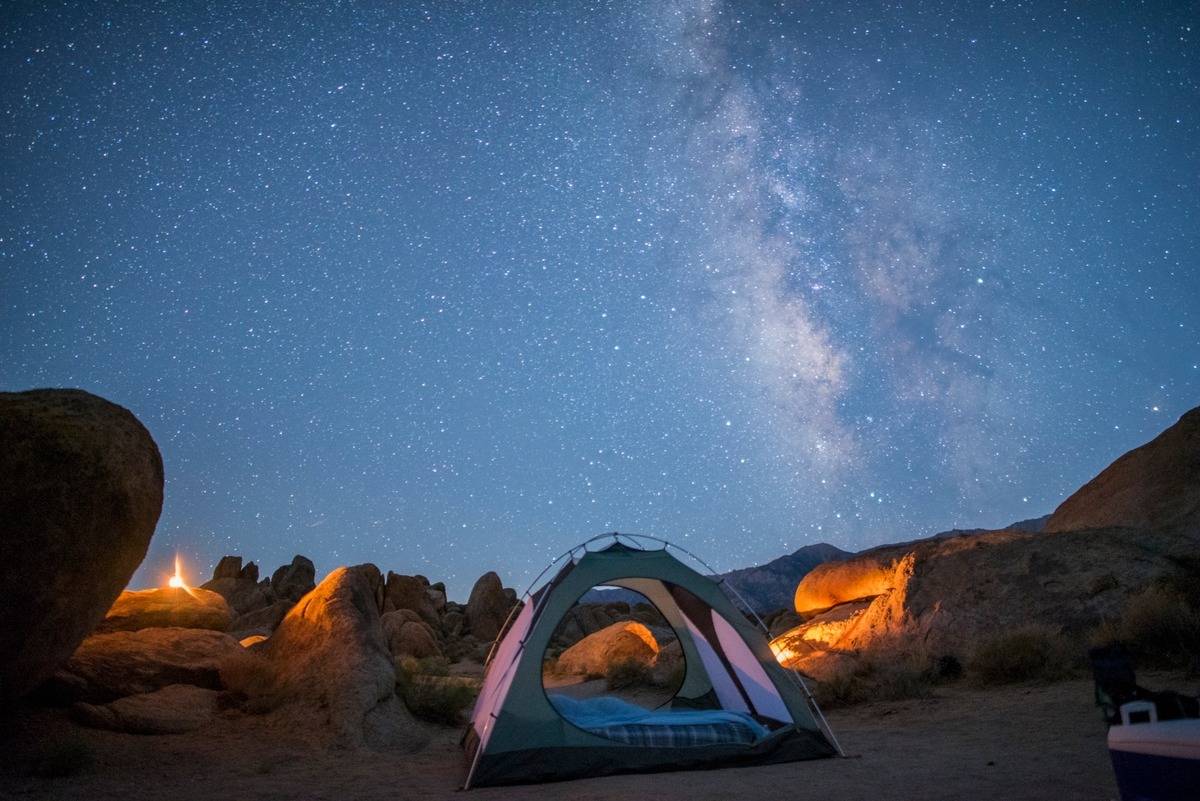
Al Qudra Desert & Al Marmoom Reserve, Dubai: Both locations provide observation decks surrounded by dunes, creating a peaceful environment for watching the night sky.
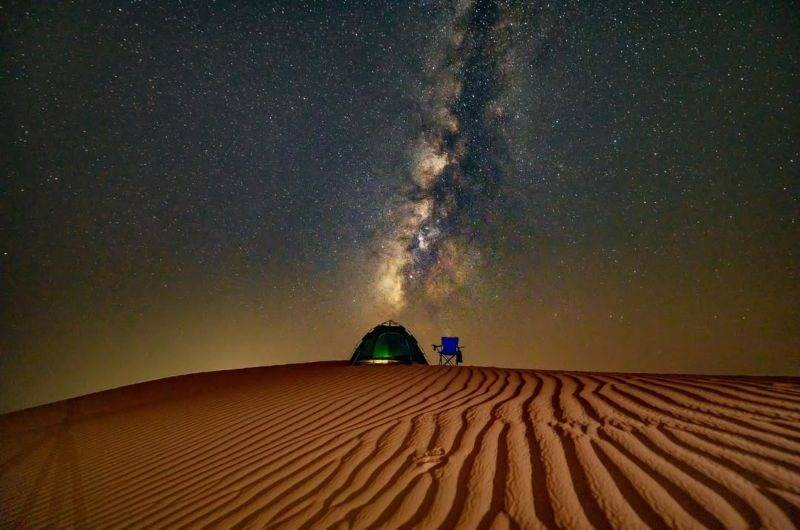
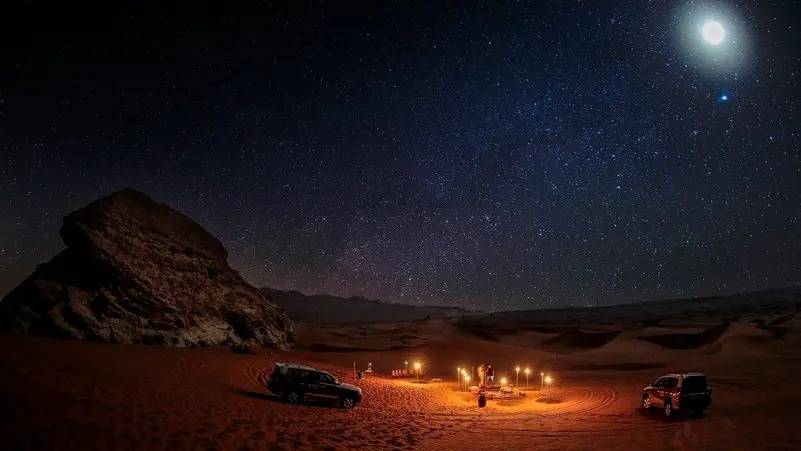
Dubai Desert Conservation Reserve, Dubai: Combining stargazing with luxury desert safaris, this location offers a curated experience complete with telescopes and traditional settings.
Al Quaa Milky Way Spot, Abu Dhabi: Famous for its dark skies and pristine stargazing conditions, this location requires a 4×4 vehicle and some desert driving. Marked on Google Maps (23.604633, 54.750256), it is a favourite for astrophotographers.
Al Sadeem Astronomy Centre, Abu Dhabi: Located in Al Wathbah, the centre hosts guided tours and telescope viewings. Entry is Dh300 for adults and Dh100 for children, available only by booking in advance.
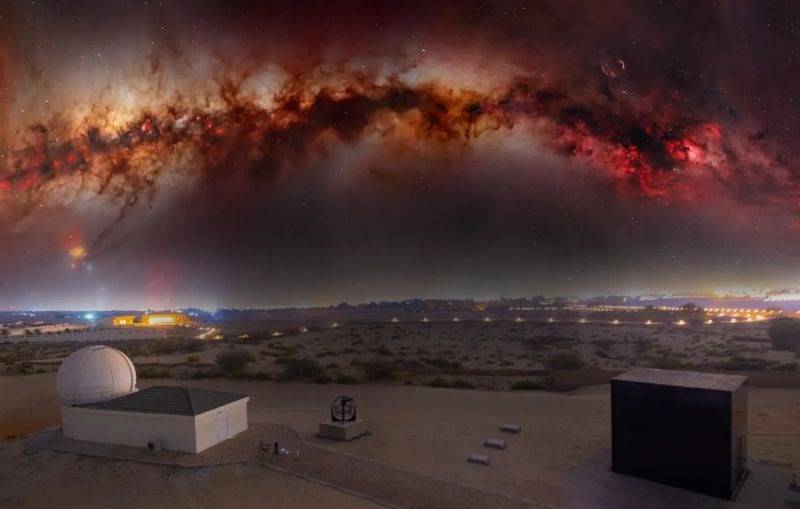
Shuweihat Island, Abu Dhabi: A four-hour drive from Dubai, this island offers salt flats, rocky outcrops and expansive night skies. A 4×4 is recommended to reach the site.
Mleiha National Park, Sharjah: Known for its archaeological landscapes and desert views, Mleiha offers an escape from city lights. Visitors can enjoy a star-studded lounge under the open sky.
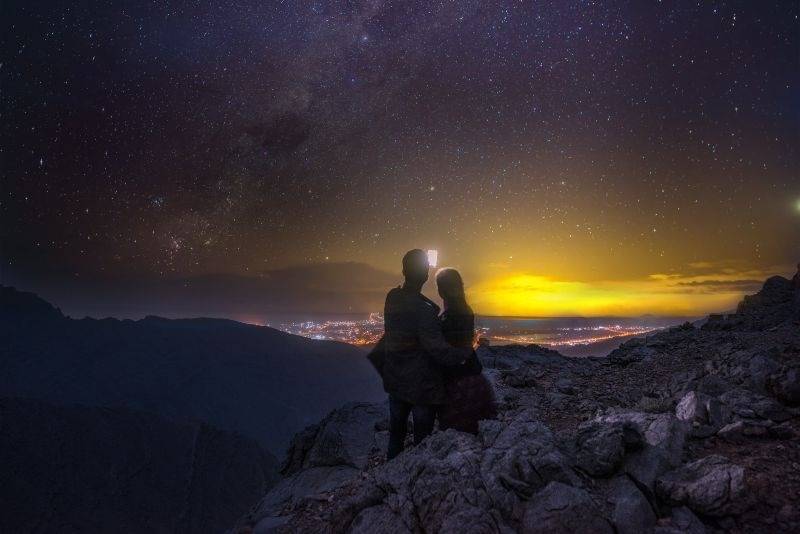
Jebel Jais, Ras Al Khaimah: At the UAE’s highest peak, cool air and sweeping horizons make for an ideal vantage point. With little interference from city lights, the eclipse will be clearly visible.
Tips for skywatchers
Stargazing experts recommend arriving early to secure the best spot and set up equipment. Tripod-mounted cameras capture the red hues vividly, especially during the peak totality between 10.12pm and 10.53pm. Snacks, water and warm clothing are advised for those venturing into the desert or mountains.
The eclipse requires no protective eyewear, unlike a solar eclipse. Simply look up to enjoy the spectacle. Clear skies are essential, so those unable to travel can join the Dubai Astronomy Group’s global livestream, featuring feeds from more than 20 countries including Spain, India and Australia.
Next lunar eclipse?
The next lunar eclipse visible from the UAE will take place on 6 July 2028, though it will only be a partial one. The following total eclipse is set for 31 December 2028, coinciding with New Year’s Eve celebrations.