

Dubai ranks second worldwide in AI-powered smart cities, tops global adoption index
Digital transformation drives smarter services for residents and businesses
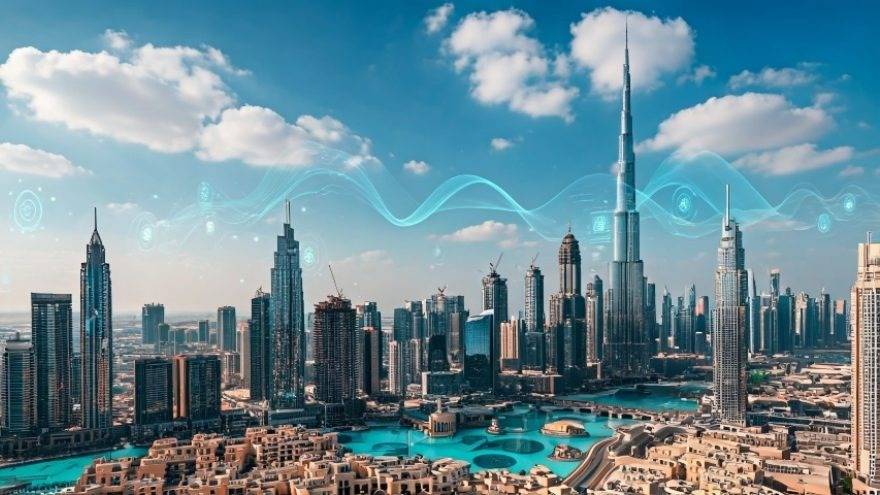
DUBAI – Dubai has been ranked the world's second most intelligent city in the inaugural Intelligent Cities Index published by the Boston Consulting Group (BCG), reinforcing the emirate's position as a global leader in artificial intelligence and digital transformation.
The study evaluated 61 cities across 39 countries, measuring how effectively they use digital technologies and AI to improve the lives of residents, enhance government services and support businesses. Dubai also secured the top global position for the adoption of AI technologies and smart city solutions.
The ranking highlights the emirate's continued progress in building a human-centric, future-ready digital city, where advanced technologies are integrated into everyday services and operations to generate measurable benefits for people and the economy.
Global ranking
Published for the first time by BCG, the Intelligent Cities Index measures how cities deploy digital technologies and AI to deliver tangible outcomes for residents and businesses. The assessment covers five key domains: Outcomes, Strategy, Adoption, Ways of Working and Enablers.
The index is based on 35 indicators spanning 14 dimensions of digital transformation, providing a comprehensive picture of each city's digital maturity and its ability to harness technology to strengthen competitiveness and support sustainable development.
Dubai recorded the strongest performance in the Adoption category, ranking first globally for implementing AI technologies and smart city solutions. According to the report, the emirate's extensive use of AI applications and digital services across multiple sectors has contributed to one of the highest levels of digital maturity among all cities assessed.
The report noted that Dubai has successfully transformed advanced technologies into practical services and solutions that create measurable value for both residents and businesses.
Digital vision
Hamad Obaid Al Mansoori, Director General of Digital Dubai, said the achievement reflects the vision of Dubai's leadership, which has placed digital transformation and AI at the centre of building a more efficient government and a future-ready city.
He said Dubai's success has been driven by an integrated digital ecosystem built on data, shared digital infrastructure and close collaboration across government entities and the wider economy. According to Al Mansoori, this ecosystem enables advanced technologies to be converted into practical solutions that create tangible value for society while enhancing economic competitiveness.
He added that AI has become more than an emerging technology in Dubai, describing it as a catalyst for improving quality of life, simplifying services and supporting economic growth. He said the emirate would continue investing in shared digital infrastructure while expanding the use of data and AI across all sectors.
Focus on future
Khalfan Juma Belhoul, Chief Executive Officer of the Dubai Future Foundation, said the ranking demonstrates the success of Dubai's long-term strategy of turning emerging technologies into practical applications that benefit people and businesses alike.
He said leadership in AI should be measured by its ability to improve productivity, deliver meaningful impact and unlock new opportunities for innovation and growth, rather than simply by the number of technologies adopted.
Belhoul added that Dubai continues to strengthen an integrated ecosystem built on innovation, research and development, agile regulation and strategic partnerships. According to him, this approach is accelerating AI adoption across sectors while improving the city's ability to seize future opportunities and pioneer new models for sustainable development.
The BCG report also found that cities placing AI at the heart of their services and operations achieve faster and more sustainable improvements in service delivery and quality of life. It concluded that leading AI cities typically have a broader range of real-world AI applications and consistently record higher levels of resident satisfaction.
The study also identified a strong relationship between the frequent use of generative AI tools and higher levels of public trust in the technology, alongside more positive expectations of its future role. It further noted that cities across the Middle East, including Dubai, demonstrate particularly strong enthusiasm for adopting and harnessing AI.