

Watch: Trump imposes travel ban on 12 countries including Iran and Afghanistan
Athletes heading to Olympics, World Cup granted exemption from ban
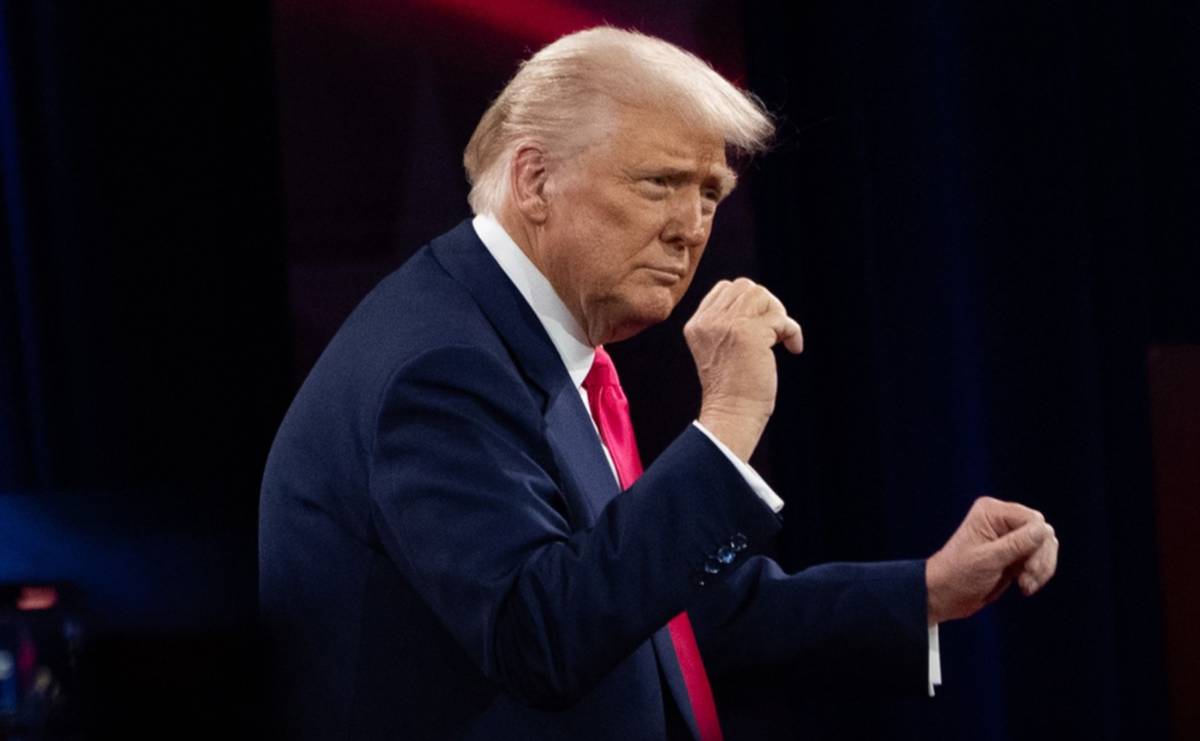
WASHINGTON, DC: US President Donald Trump has signed a sweeping new executive order banning travel to the United States from 12 countries, including Afghanistan, Iran, Libya and Yemen.
The measure, announced late Wednesday, also imposes partial restrictions on citizens from seven other nations.
The proclamation, set to take effect at 12:01AM Monday, has already sparked a wave of criticism and is expected to face legal challenges.
The White House said the decision was prompted by a recent attack in Boulder, Colorado, where a man allegedly hurled firebombs at a crowd supporting Israeli hostages. Officials identified the suspect as an Egyptian national who had overstayed his visa. The incident, President Trump said, highlighted the threat posed by individuals entering the US without thorough screening.
"We cannot have open migration from any country where we cannot safely and reliably vet and screen... That is why today I am signing a new executive order placing travel restrictions on countries including Yemen, Somalia, Haiti, Libya, and numerous others." –President Trump pic.twitter.com/ER7nGM4TO2
— The White House (@WhiteHouse) June 4, 2025
Targeted countries
The 12 nations now facing full travel bans are: Afghanistan, Chad, Republic of the Congo, Equatorial Guinea, Eritrea, Haiti, Iran, Libya, Myanmar, Somalia, Sudan, and Yemen. Citizens from these countries will no longer be permitted to enter the US under most circumstances.
Trump’s order said that Afghanistan, Somalia, Sudan and Yemen were selected due to their lack of central authority capable of reliably issuing or verifying travel documents. For Iran, the order cited its designation as a state sponsor of terrorism. Myanmar and Eritrea were included due to what officials described as “elevated security risks” and lack of cooperation with US authorities.
In contrast, seven other countries – Burundi, Cuba, Laos, Sierra Leone, Togo, Turkmenistan and Venezuela – face partial bans. Nationals from these states will still be allowed to enter the US on certain temporary work or humanitarian visas, subject to additional scrutiny.
Visa, student, and event exemptions
Visas issued before June 9, 2025, will remain valid. However, new visa applicants from the affected countries will face blanket restrictions unless they qualify under special exemptions.
The order specifically allows exemptions for athletes participating in major global sporting events. Competitors travelling for the 2026 FIFA World Cup – which the US is co-hosting – and the 2028 Summer Olympics in Los Angeles will be permitted to enter the country. In addition, certain Afghan nationals and dual citizens travelling on passports from unaffected countries are also exempt.
Harvard ban
In a separate move on Wednesday, Trump announced a visa ban targeting foreign students intending to study at Harvard University. The executive order directs the State Department to consider revoking current visas held by foreign nationals at Harvard who fall under newly defined risk categories.
The administration had previously accused Harvard of maintaining foreign affiliations and fostering radical views on campus. Last month, US consular offices were directed to apply additional vetting procedures for all visa applicants with ties to the university. A separate attempt to block Harvard’s international student intake was stopped by a federal court, but Trump’s new order invokes different statutory authority.
Security justification
Trump defended the latest bans as necessary to “protect national security” and prevent “what happened in Europe” from occurring in the US. The president said the measure mirrors his controversial 2017 executive order – often labelled the “Muslim ban” – which was later upheld in revised form by the US Supreme Court.
The latest directive also details country-specific risk assessments, citing visa overstay rates, terrorism links, and inadequate identity verification processes. The order does not include Egypt – the nationality of the suspect in the Colorado attack – but indicates that other nations could be added in future reviews.
No prior briefing
The announcement was made without a formal press conference, shortly after Trump addressed 3,000 appointees during a summer gathering at the White House. Reporters were not invited to the event.
Although no advance briefing was given, speculation about a new travel ban had been mounting since the Boulder incident. Homeland Security officials have reportedly vowed to pursue any “terrorist threats” living in the US on expired or fraudulently obtained visas.
Court documents revealed that the Boulder suspect, Mohammed Sabry Soliman, applied for asylum in September 2022 but had remained in the US illegally since overstaying his tourist visa. Authorities say his case exemplifies the failings of the current vetting system.
Legal landscape
Like previous bans, this order is expected to encounter swift legal opposition from civil liberties groups and immigrant advocacy organisations. Several court filings are anticipated in the coming days, particularly in jurisdictions that previously challenged the 2017 and 2018 travel restrictions.
The administration maintains that the current bans are grounded in statutory authority and represent a “common-sense” effort to safeguard the American public from threats posed by unvetted foreign nationals.
Whether the measures will survive legal scrutiny remains to be seen, but for now, a broad spectrum of travellers from 19 countries face new hurdles to entering the United States.