

Travelling abroad? UAE shares 5 key steps to reduce Ebola risk
Health ministry updates guidance amid international outbreak monitoring
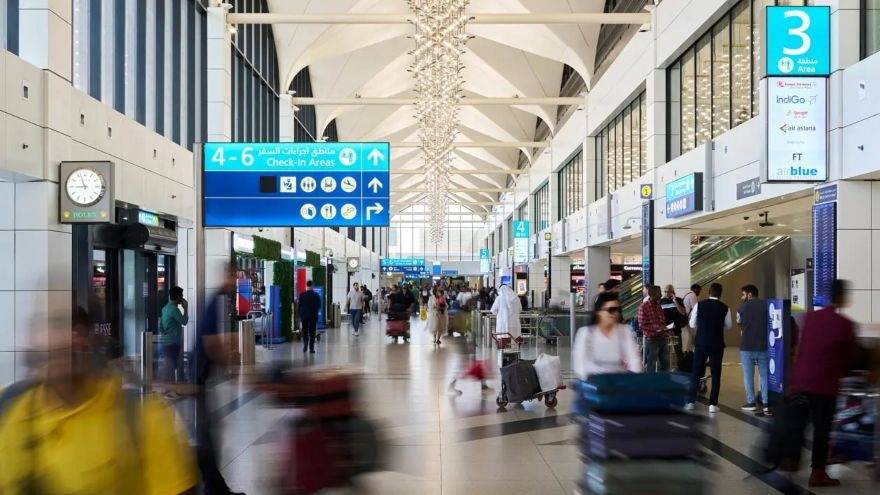
ABU DHABI – The Ministry of Health and Prevention (MoHAP) has issued updated travel guidance for UAE residents heading overseas, outlining five important measures to reduce the risk of Ebola infection amid ongoing international monitoring of outbreaks in parts of Africa.
The advisory comes as UAE authorities continue to emphasise that there are no confirmed Ebola cases in the country and that national health preparedness remains at a high level.
The guidance follows recent travel recommendations advising against non-essential travel to the Democratic Republic of the Congo, Uganda and South Sudan.
Check before you travel
MoHAP urged travellers to review the latest travel advisories before departure and stay informed about health requirements in their destination country. Officials said travellers should follow guidance issued by local authorities and remain aware of any outbreak-related developments during their trip.
Practise good hygiene
Maintaining good personal hygiene remains one of the most effective ways to reduce infection risks. Travellers are advised to wash their hands regularly, use appropriate sanitising products when necessary and avoid situations that may expose them to potentially contaminated environments.
Avoid direct contact
The ministry stressed the importance of avoiding contact with people who may be infected with Ebola. Travellers should also avoid contact with blood, bodily fluids and contaminated materials, as well as wildlife and animal products that may carry the virus.
Ebola is transmitted through direct contact with infected bodily fluids, contaminated surfaces, infected animals or the bodies of people who have died from the disease. Health authorities emphasised that the virus is not airborne and does not spread in the same way as Covid-19 or influenza.
Watch for symptoms
Travellers are encouraged to closely monitor their health during and after travel. Ebola symptoms can appear between two and 21 days after exposure and may initially include fever, headache, fatigue, muscle pain, weakness, vomiting, diarrhoea, sore throat and abdominal pain.
In severe cases, the illness can progress to organ failure, shock and internal or external bleeding.
Seek medical help early
Anyone who develops symptoms after travel should seek medical attention immediately and inform healthcare professionals about their recent travel history. Early medical assessment can help ensure appropriate care and reduce the risk of further transmission.
According to MoHAP, there is currently no licensed vaccine specifically approved for the Bundibugyo strain linked to the ongoing outbreak. First identified in Uganda in 2007, the Bundibugyo variant is one of four Ebola strains known to infect humans.
The ministry reiterated that the UAE continues to maintain enhanced surveillance, risk assessment and preventive measures in coordination with national and international partners, while closely monitoring developments related to the outbreak.