

Dubai unveils comprehensive public safety law with fines up to Dh1 million
New legislation sets strict rules for venues, products and public spaces
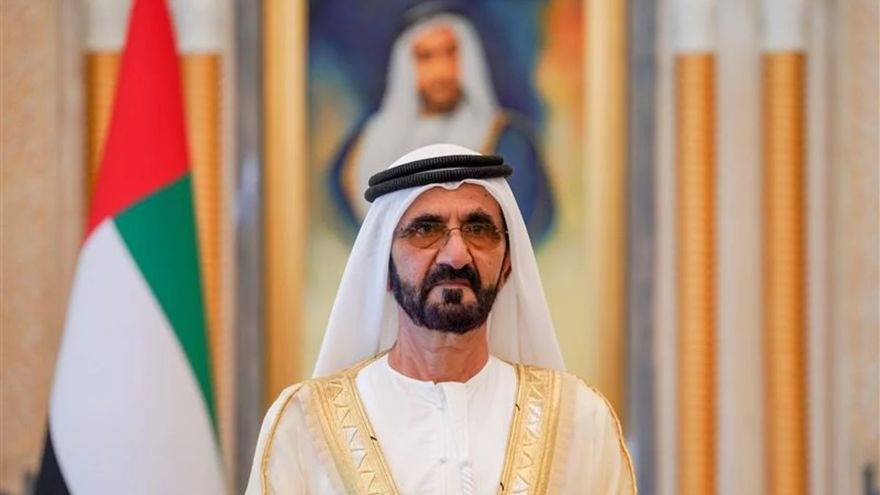
DUBAI – In his capacity as Ruler of Dubai, His Highness Sheikh Mohammed bin Rashid Al Maktoum, Vice President and Prime Minister of the UAE, has issued Law No. (2) of 2026 on public safety in the emirate.
The legislation establishes a comprehensive framework aimed at protecting lives and property while strengthening safety standards across public spaces, venues and products available in the market. The new law will come into force on 1 June 2026 and will be published in the Official Gazette.
The legislation is designed to reduce injuries, fatalities and damage caused by accidents while ensuring safer environments for residents, visitors and businesses across Dubai. It introduces clear preventive standards aligned with international best practices and strengthens oversight across public venues, services and activities.
Authorities say the law will also support Dubai’s continued growth as a global tourism and leisure destination by ensuring high safety standards at events, entertainment venues and public facilities. It further aims to raise awareness among residents and visitors about safety responsibilities and encourage greater public participation in following safety measures.
Safety oversight
Under the new law, the Environment, Health and Safety Agency at Dubai Municipality will oversee and regulate public safety in the emirate in coordination with other relevant authorities. The agency has been assigned defined powers and responsibilities to monitor compliance, implement regulations and ensure the effective application of safety requirements.
Mohammed bin Rashid issues law on public safety in the Emirate of Dubai, aimed at establishing a clear legislative framework to ensure high safety standards for individuals and property and support sustainable development. The law is effective from 1 June 2026. pic.twitter.com/vExfWxrakS
— Dubai Media Office (@DXBMediaOffice) March 6, 2026
The legislation establishes detailed rules for venues and events, including standards related to equipment, adequate lighting, ventilation and safe entry and exit routes. Organisers and operators must also comply with occupancy limits designed to prevent overcrowding and manage crowd movement safely.
Noise control measures are also addressed under the law, with limits introduced to prevent excessive sound exposure that may pose hearing hazards in entertainment venues or public gatherings.
The framework aims to ensure that venues hosting large gatherings operate under consistent safety guidelines, particularly as Dubai continues to host major international exhibitions, concerts and sporting events that attract large crowds throughout the year.
Venue standards
The law requires venues and event organisers to put in place essential safety measures designed to protect attendees. These include fire-fighting equipment, emergency evacuation plans, alarm systems and clearly visible safety signage.
Operators must also provide first-aid supplies and ensure the presence of trained safety supervisors capable of responding to emergencies. In addition, each venue or event must maintain a public safety management plan outlining procedures to be followed in case of accidents or emergencies.
Beyond entertainment venues, the law introduces safety standards covering maintenance activities in inhabited buildings and residential properties. Regulations apply to electrical devices, equipment installations and the management of swimming pools and beach areas.
Property owners, operators and service providers must ensure that all facilities and equipment comply with the safety requirements set out in the law, as well as any related regulations and guidelines issued by authorities.
Public duties
The legislation also outlines responsibilities for members of the public. Residents and visitors are required to follow all public safety instructions, procedures and guidelines when using public spaces, entertainment venues or event facilities.
Individuals must comply with directions on the safe use of machines, equipment and tools, cooperate with safety supervisors and follow evacuation procedures in the event of emergencies.
Specific rules also apply to beach and swimming areas. The public must observe designated swimming times, avoid restricted areas reserved for staff or other unauthorised zones and follow safety instructions when using facilities or equipment.
Additional obligations may also be issued by the Director General of Dubai Municipality to further support public safety measures across the emirate.
Prohibited activities
The law sets clear prohibitions on activities that may endanger public safety. It bans the handling of explosives, fireworks, toxic substances or flammable materials without proper authorisation from the relevant authorities.
The disposal of hazardous materials in waste containers or collection vehicles is also prohibited, as is moving or tampering with such containers. Interference with manholes, sewer pipes or stormwater drains is forbidden except for authorised personnel carrying out official duties.
The legislation further prohibits the sale or use of tools, devices or products intended for human use, entertainment or education if they fail to meet established public safety standards or pose potential risks.
Any such items must include safe-use instructions in both Arabic and English. Authorities emphasise that products placed on the market must comply fully with safety requirements outlined in the new legislation and related regulations.
The law also prevents individuals or companies from conducting activities that could pose a public safety risk unless they have obtained official authorisation and comply with all relevant safety requirements.
Violations and penalties
Strict penalties have been established for violations of the law. Fines range from Dh500 to Dh1,000,000 depending on the severity of the offence.
If the same violation is repeated within one year, the penalty may be doubled, with fines reaching up to Dh2,000,000. The Executive Council of Dubai will issue a detailed list specifying violations and corresponding penalties.
Dubai Municipality and employees of relevant authorities who are designated by the Director General of the municipality, or by other competent leaders, will have judicial enforcement powers to document violations and issue official reports. Where necessary, authorities may also request police involvement.
The law also allows affected parties to submit written appeals against decisions, actions or measures taken under the legislation. Appeals must be filed within 10 working days of notification.
A committee appointed by the Director General of Dubai Municipality or the relevant authority will review appeals and issue decisions within 30 days. The committee’s ruling will be considered final.
Authorities also clarified that Dubai Municipality and other relevant entities will not be liable for damage resulting from an owner’s failure to comply with safety requirements, with responsibility resting solely on the property owner.
All affected parties must comply with the provisions of the new law within two years. A one-time extension of the same duration may be granted by The Executive Council upon recommendation from Dubai Municipality.
The law also annuls Local Order No. (11) of 2003 on public health and community safety in Dubai, along with its amendments and any conflicting provisions in other legislation. Existing regulations and decisions issued under the 2003 order will remain in force only where they do not conflict with the new law, until updated regulations are introduced.