

Dubai gold prices climb for sixth day, 24K crosses Dh432 mark
Jewellery demand falls as high prices deter buyers globally
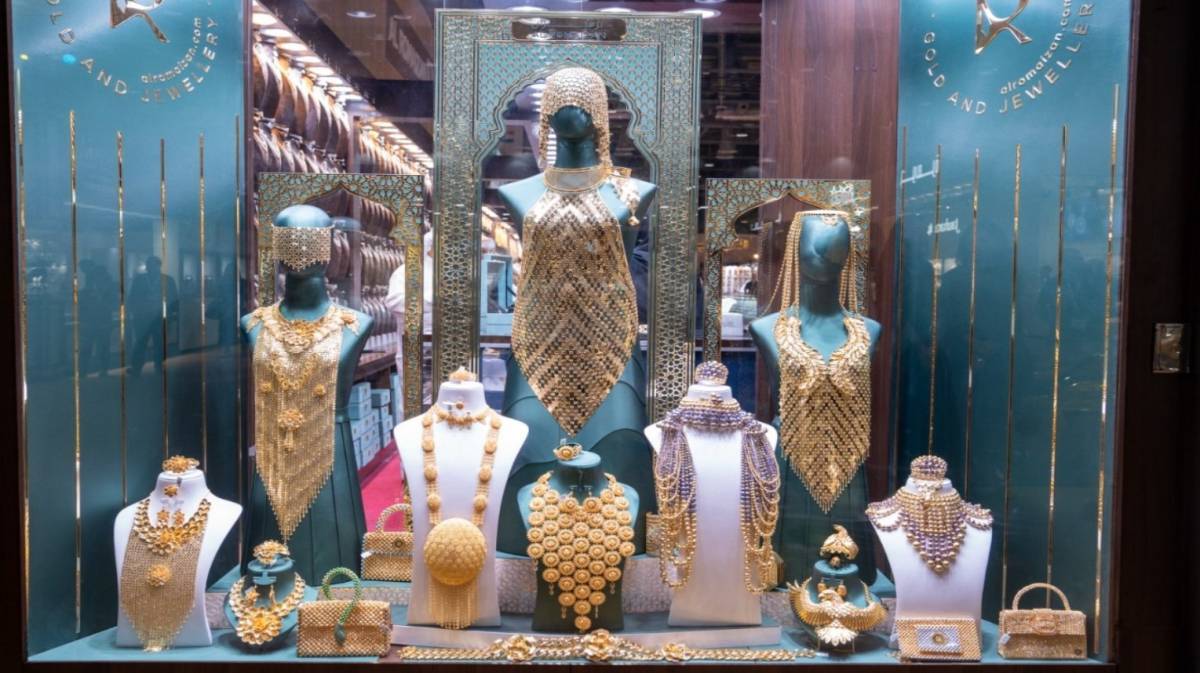
DUBAI – Gold prices in Dubai reached fresh highs on Saturday, continuing their upward momentum from earlier in the week.
According to Dubai Jewellery Group, 24K gold traded at Dh432.25 per gram today, compared with Dh429.00 on Friday, Dh425.50 on Thursday, Dh426.00 on Wednesday, Dh421.50 on Tuesday, and Dh418.75 on Monday.
Meanwhile, 22K was priced at Dh400.25, 21K at Dh383.75, and 18K at Dh328.75, marking consistent gains across the board since the start of the week.
Global rally
The movement in Dubai reflects a broader international surge, with gold hitting a record $3,587 per troy ounce on Friday. Prices have soared more than 90% since late 2022, supported by strong central bank purchases and investment demand. Net annual purchases by central banks have exceeded 1,000 metric tons every year since 2022, and 2025 is projected to add another 900 tons, nearly double the 2016-2021 average. Developing economies continue to increase reserves as part of a shift away from the dollar.
Jewellery slowdown
Yet, not all sectors are benefitting from the surge. Jewellery demand fell sharply, dropping 14% to 341 tons in the second quarter of 2025, its weakest level since the pandemic-hit third quarter of 2020. The World Gold Council noted that China and India – usually dominant buyers – saw their combined market share fall below half, one of the lowest points in the past five years.
Investment trends
While jewellery consumption slumped, investment appetite remained robust. Retail demand for gold bars rose 10% in 2024, though coin purchases declined by nearly a third. This year, net physical investment is expected to edge up 2% to 1,218 tons, according to Metals Focus, as Asian buyers remain active. Gold-backed exchange-traded funds have also seen inflows of 397 tons in the first half of 2025, the largest in five years, with holdings now close to their peak levels last seen in 2020.