

How did Dubai’s population surge past 4 million for the first time?
Projections show millions more residents by 2040 Urban Master Plan
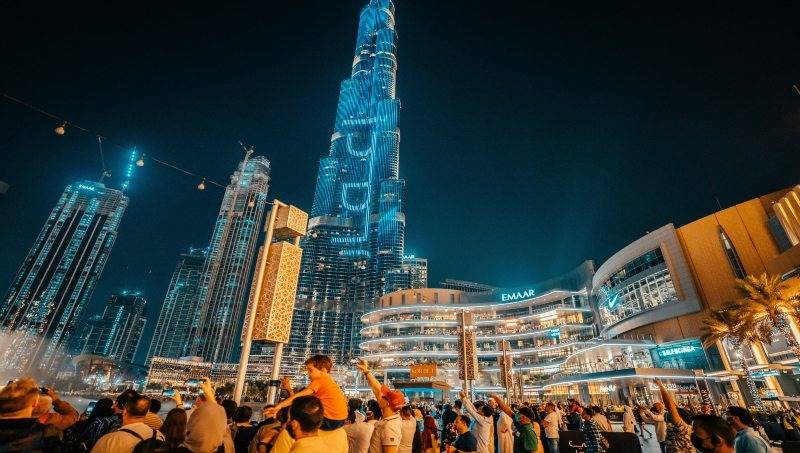
DUBAI’s population has crossed the four-million mark for the first time, marking the fastest pace of growth in the emirate’s modern history.
Official figures from the Dubai Statistics Centre recorded 4,003,643 residents by midday Thursday, compared with 3,998,482 just a week earlier. The increase of 5,161 people in seven days underlines the scale of the expansion.
The emirate added more than 208,000 residents in 2024, representing a 5.5 percent annual increase that brought the total to 3.86 million by the end of the year. By early 2025, the daily population increase has averaged about 567 new residents.
Dubai’s growth trajectory shows the population has doubled in only 14 years, from two million in 2011 to four million in 2025. The pace has been described by officials as unprecedented, cementing the emirate’s status as one of the fastest-growing global cities.
What is fuelling the increase?
Much of the expansion is attributed to rising inflows of foreign investment, heightened demand in real estate, and Dubai’s growing appeal to professionals, entrepreneurs and wealthy individuals. The city’s reputation for safety, strong infrastructure and pro-business policies continue to draw new residents.
By the end of 2024, men accounted for about 2.7 million of the population, or 69 per cent, while women numbered about 1.2 million. The Dubai Statistics Centre uses censuses, surveys and government databases to estimate figures, with the Population Clock providing near real-time updates of citizens and expatriates living permanently within the emirate.
How fast could it grow?
Dubai reached its first million residents in 2002, doubled to two million by 2011, and then hit three million in 2018. Now, in 2025, the emirate has passed four million. If this pattern continues, projections suggest five million residents by 2032 and six million by 2039.
Long-term planning is aligned with the Dubai 2040 Urban Master Plan, which envisions a population of 5.8 million. Initiatives include metro expansion, traffic-free neighbourhoods, car-free zones and thousands of kilometres of new walkways to manage demand for transport, housing and services.
What challenges lie ahead?
The rising number of residents is expected to impact multiple sectors. Higher demand is forecast for homes, schools, healthcare facilities and transport. Analysts suggest the population boom will fuel new opportunities in retail, jobs and investment, while also testing the emirate’s infrastructure.
Dubai’s rising population is part of a wider national trend, with the UAE’s total now exceeding 11.3 million.