

Ramadan 2026: Key road accident patterns and safety tips in UAE revealed
Fasting effects on drivers highlight need for extra road caution
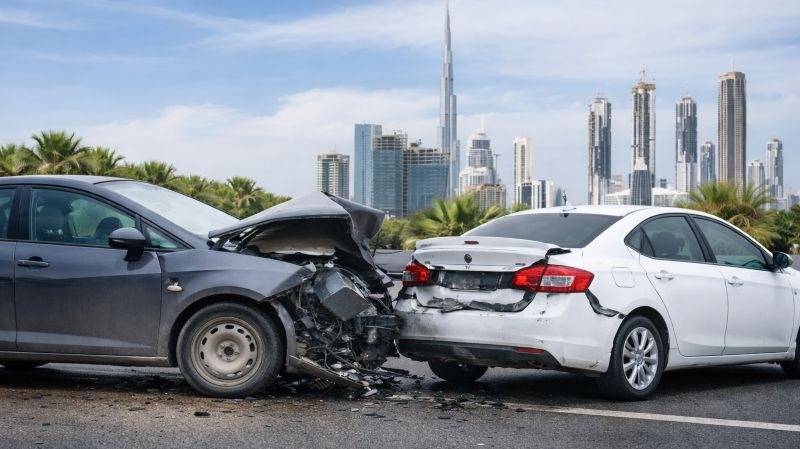
DUBAI – During Ramadan, UAE roads see hundreds of accidents and numerous fatalities each year as the holy month encourages family gatherings and increased traffic, creating unique challenges for motorists, pedestrians, and cyclists alike.
Al Wathba Insurance, one of the UAE’s leading auto insurers, collaborated with RoadSafetyUAE to analyse 2,771 motor insurance claims from Ramadan 2025 (1-29 March). The analysis aims to provide insights that help road users stay safe during this period.
“We collect a significant amount of claims data which we thoroughly analyse. This year, 2,771 claims were reviewed. Ramadan presents specific challenges to UAE road users, and sharing these findings can help protect everyone on the roads,” said Muralikrishnan Raman, Chief Financial Officer at Al Wathba Insurance.

Thomas Edelmann, Founder and Managing Director of RoadSafetyUAE, added: “More than 65% of accidents involve a third party at fault. Motorists must remain vigilant, particularly between 12noon and 6pm (43% of accidents) and 6pm to midnight (28%). The 2pm–4pm window is the most accident-prone, accounting for 17% of cases. Mondays and Thursdays saw the highest accident rates (17% each), while Sundays were the safest (9%). Drivers aged 36–40 are most at risk, representing 24% of claims.”

Peak times, age groups and weekday risks
The analysis revealed the following patterns:
- Peak accident periods: 12noon-6pm, followed by 6pm–midnight
- Most dangerous two-hour window: 2pm-4pm (17%)
- High-risk days: Mondays and Thursdays (17% each)
- Safest day: Sunday (9%)
- Driver age most at risk: 36-40 years
- Fault distribution: 65% third-party, 35% own fault
Fasting, irregular meals, and altered sleep patterns contribute to fatigue, dehydration, and low blood sugar, affecting concentration, reaction time, and vision. These factors partly explain accident peaks before Iftar and during early mornings.
Fasting effects on drivers
The Ramadan lifestyle can impact all road users:
- Dehydration and low blood sugar reduce alertness
- Irregular sleep and meal patterns cause fatigue and impatience
- Early morning accidents often spike due to disrupted sleep
- All traffic participants – motorists, pedestrians, motorcyclists, and cyclists – must exercise extra care during these times to reduce risk.
Tips for fasting and non-fasting participants
Here are few general safety guidelines from RoadSafetyUAE:
- Be aware of your own potential limitations
- Anticipate other road users’ impaired concentration or fatigue
- Expect the unexpected – practice defensive driving
- Allow extra time for travel and avoid rushing
- Always wear a seat belt
- Pay extra attention between noon and Iftar
- Keep sufficient distance; avoid tailgating
- Leave early to prevent speeding or last-minute pressure
- Avoid roads at sundown if possible
- Use lights at dusk before Iftar
- Rest and avoid driving while drowsy
- Consider public transport or taxis
Non-fasting drivers, pedestrians and riders:
- Be considerate of those who are fasting
- All participants must exercise extra caution
- Pedestrians, cyclists, eScooter riders, and motorcyclists should anticipate erratic behaviour from other drivers
- Apply defensive driving principles regardless of fasting status
- Avoid peak accident times, especially morning rush and early afternoon
- Stay off the roads where possible
These practical measures, based on real-life claims data, provide actionable guidance for safer Ramadan driving, helping reduce accidents during the busiest month of the year.