

Chinese flying car maker Aridge lands 600 GCC orders after Dubai manned flight
The modular ‘land aircraft carrier’ combines road and air travel in one vehicle
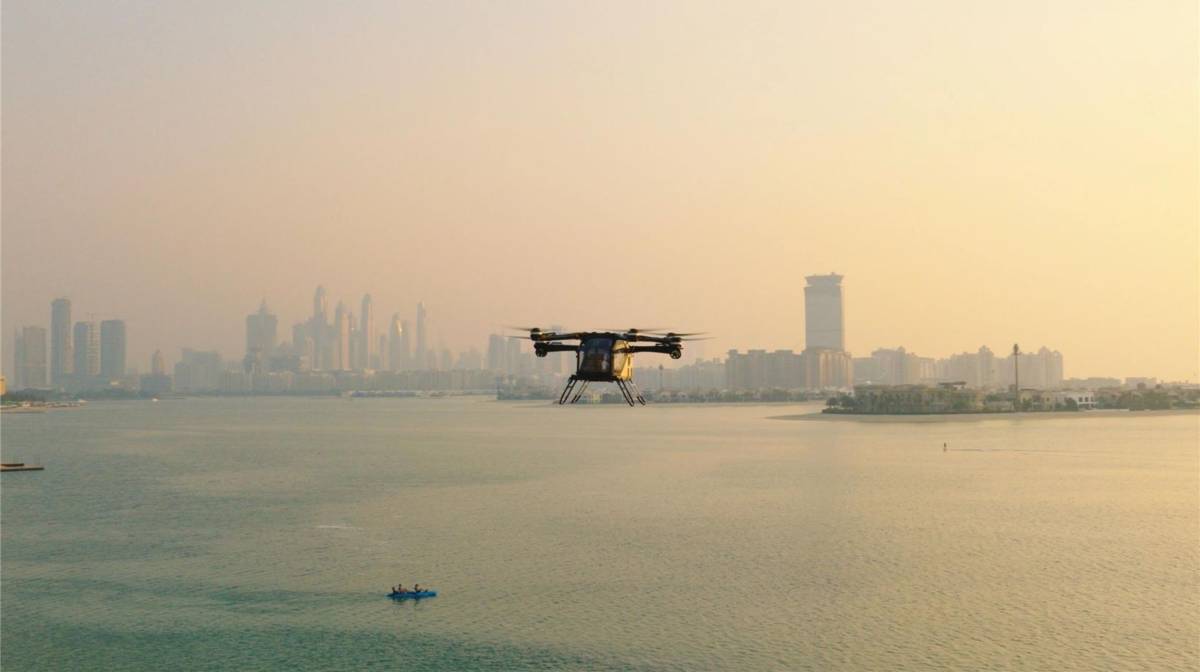
DUBAI – The skies above Dubai witnessed a milestone in futuristic mobility as Chinese flying car manufacturer Aridge, formerly known as Xpeng Aeroht, conducted its first manned test flight in the Middle East.
The event also marked the announcement of 600 new aircraft orders from companies across the GCC, strengthening China’s presence in the global race for flying car technology.
The rebranded firm unveiled its ‘Land Aircraft Carrier’, a modular flying car that integrates a road vehicle with a detachable electric vertical takeoff and landing (eVTOL) aircraft.

The vehicle’s design allows a “mothership” car to carry and recharge the air module, which can detach autonomously for flight before reconnecting on landing – effectively turning driving into flying with a single command.

The demonstration was authorised by the UAE’s General Civil Aviation Authority (GCAA) and the Dubai Civil Aviation Authority (DCAA), underscoring the country’s growing role as a testbed for next-generation transport systems.
How does the flying car work?
The Land Aircraft Carrier is engineered for everyday use, designed to make flying as intuitive as driving. Its air module replaces traditional cockpit panels with a smart digital display and offers two flight modes: automatic and manual.
In automatic mode, routes can be pre-planned with one-touch takeoff and landing functions, supported by 3D visual mapping and landing assistance. Manual mode uses a single-stick control system, combining six operations into one joystick for one-handed piloting – a world first in flying vehicle design.
Safety features include redundant systems for propulsion, power, and flight control, as well as automatic rotor failure response within milliseconds. The aircraft can operate autonomously within set safety limits, giving pilots the ability to override automated controls if necessary.
While overseas pricing remains unannounced, the model sells in China for under RMB 2 million (about Dh1,030,000).
600 units order from GCC
During the Dubai event, Aridge confirmed 600 bulk orders for its flying cars from major regional groups including the UAE’s Ali & Sons Group, Qatar’s Almana Group, Kuwait’s AlSayer Group, and the Chinese Business Council in the UAE. This marks the largest overseas order in the company’s history and brings Aridge’s global pre-orders to more than 7,000 units.
According to Michael Chao Du, CFO and Vice President of Aridge, the company expects to begin consumer sales across the Middle East by 2027, following the completion of regional certification and testing processes. “The Middle East is both a strategic market and a valued partner,” Du said. “Its progressive policies and openness to innovation make it an ideal launchpad for our global expansion.”
The firm has already achieved several regulatory milestones. In September, Aridge secured a special flight permit from the GCAA, while its Type Certificate application was accepted in China earlier this year.
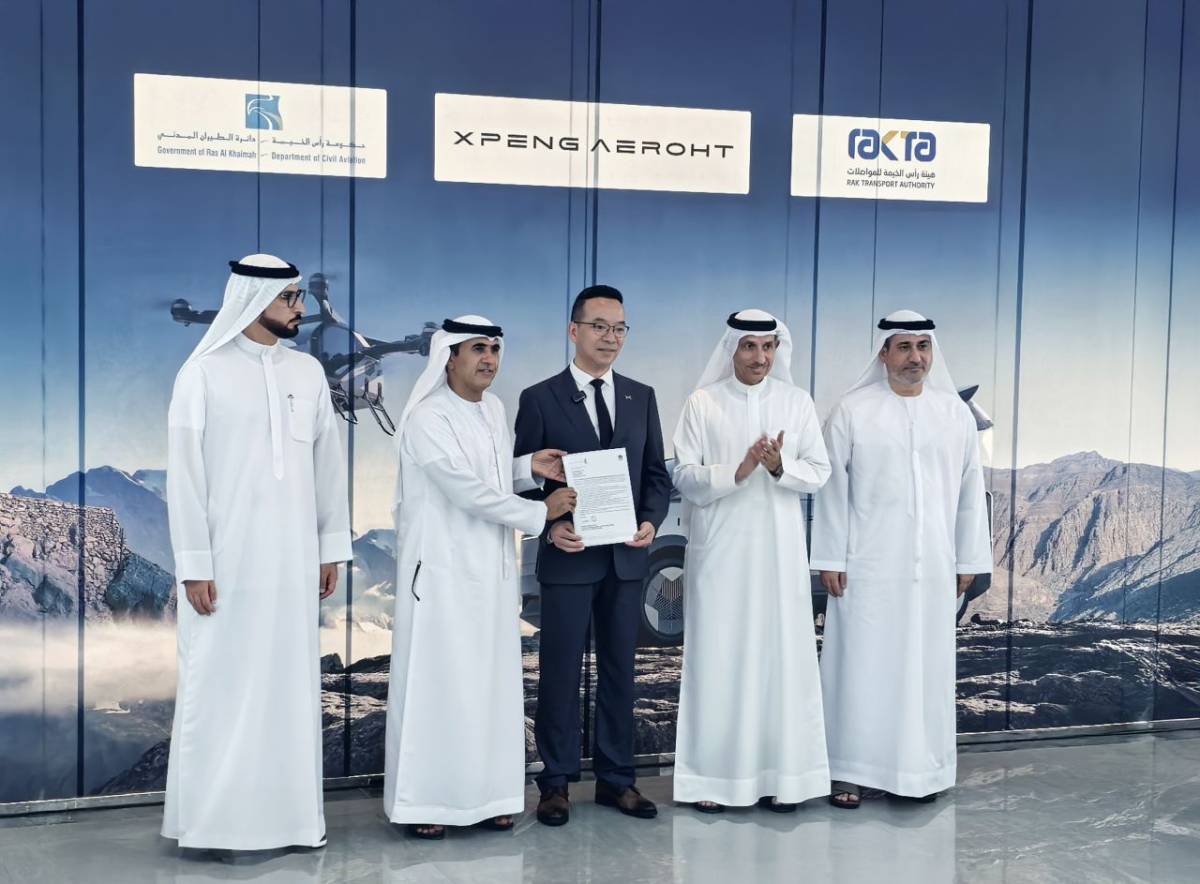
The company’s production certification is anticipated by mid-2025, paving the way for mass production in 2026.
Where will production take place?
Aridge has completed construction of its intelligent manufacturing plant in Guangzhou, China – the world’s first large-scale flying car production facility. The factory is capable of producing up to 10,000 units per year, with deliveries scheduled to begin in 2026. Each unit is assembled on an automotive-style line with aerospace-grade precision, allowing one vehicle to be produced every 30 minutes.
The company employs over 1,200 research and development experts and has invested more than $600 million into flying car innovation. With 965 patents filed globally and seven vehicle generations developed, Aridge is positioning itself as a global leader in low-altitude mobility.
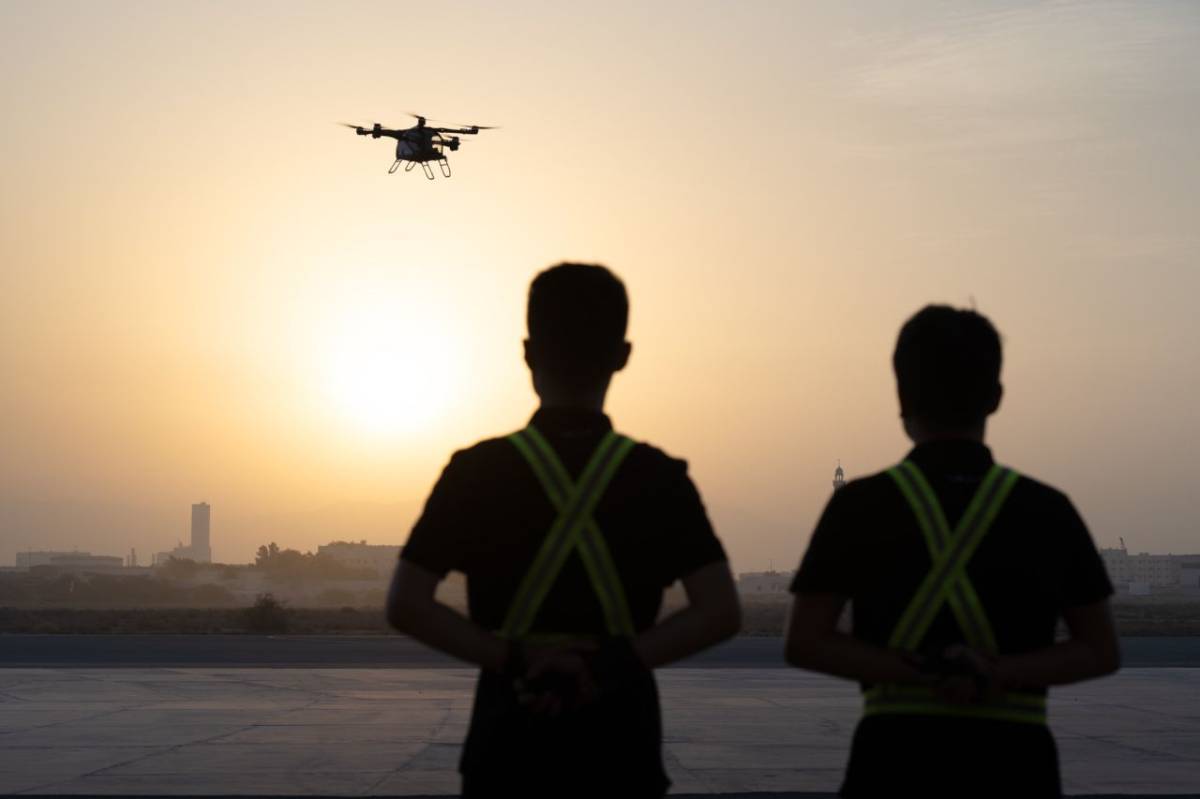
Alongside the Land Aircraft Carrier, the company is also developing the A868, a six-seat, long-range hybrid flying car capable of speeds over 360 km/h and a range exceeding 500 km. The model is expected to debut in Guangzhou in November and is designed for business travel and emergency operations.
When will flying cars reach the public?
With its demonstration in Dubai and bulk GCC orders confirmed, Aridge aims to enter the consumer market by 2027, subject to regional aviation approvals. The company is working closely with GCCA and national regulators to standardise airworthiness requirements for personal eVTOLs across the Gulf.
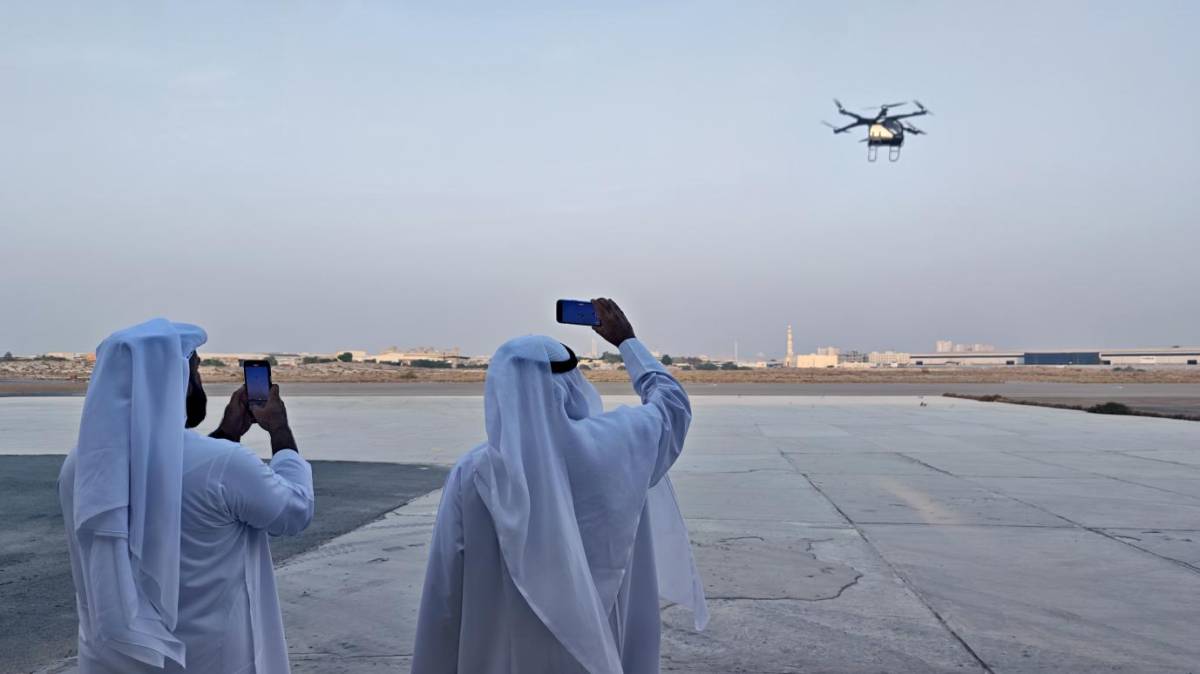
Industry forecasts suggest the global manned eVTOL market could reach $225 billion by 2040, with the Middle East accounting for around $11.7 billion. Nearly 85% of that is expected to come from personal-use aircraft.
According to Zhao Deli, founder of Aridge, Dubai’s forward-thinking mobility policies and supportive government framework were key reasons for choosing the city for the first manned test. “Dubai represents the future of urban transport,” Zhao said. “We believe this partnership marks the start of a new chapter for personal air travel.”