

From nursery to university: What Dubai parents should know as students return to classrooms
Hybrid learning options explained for families seeking flexibility
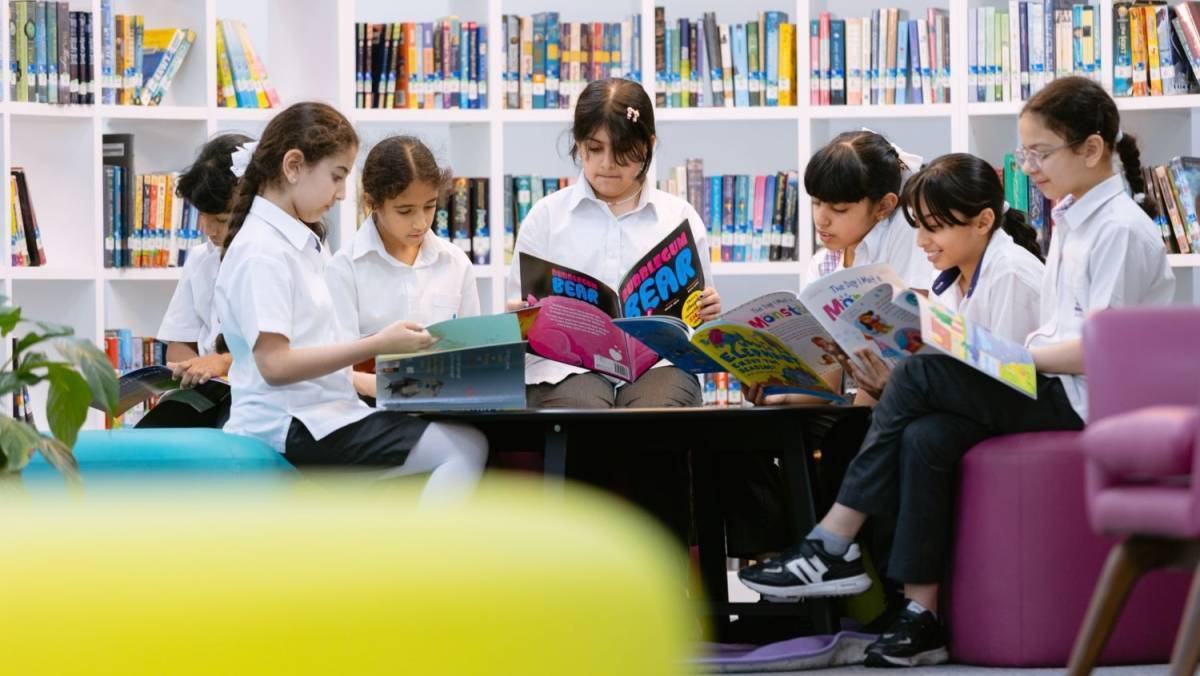
DUBAI – Dubai’s education system is moving back to classrooms this April, with nurseries, schools and universities all set to resume in-person learning.
For parents, the shift brings a mix of timelines, rules and options depending on the age of their child.
Authorities across the UAE have confirmed that all enrolled students, teachers and administrative staff will return to campuses starting Monday, April 20, following the completion of safety checks and readiness plans. However, the process is not identical for every stage, and understanding the differences is key for families preparing for the transition.
Here is a clear, stage-by-stage guide to what parents in Dubai need to know.
Nursery
For parents of younger children, the return begins slightly earlier but in phases. Early childhood centres, including nurseries and kindergartens, started a gradual reopening from Thursday, April 16.
This does not mean all nurseries reopen at once. Each centre must first receive approval from Dubai’s education regulator after demonstrating compliance with strict health and safety requirements.
From Monday, April 20, all enrolled children in nurseries and kindergartens, both public and private, are expected to return to in-person learning.
Parents should check directly with their child’s nursery regarding exact reopening dates, timings and any updated drop-off or pick-up procedures. Many centres are expected to introduce staggered schedules and enhanced hygiene protocols as part of daily routines.
Primary years
Primary school students will return to classrooms from Monday, April 20, in line with the nationwide directive.
For parents, the key detail is that not all schools will operate in exactly the same way. Each school’s reopening depends on its readiness and ability to meet safety standards set by authorities.
Private schools & higher education institutions in Dubai will resume on-site learning from April 20. Approvals will be based on each institution’s readiness & full compliance with health & safety measures issued by the relevant authorities ensuring a safe & supportive environment pic.twitter.com/qfU9WnBNub
— KHDA | هيئة المعرفة والتنمية البشرية بدبي (@KHDA) April 15, 2026
Private schools may introduce a hybrid rotational model if needed. In practical terms, this could mean children attend school on certain days and continue learning from home on others.
Where hybrid learning is used, schools must follow strict academic guidelines. Teachers cannot be assigned to handle both in-person and remote students at the same time, ensuring that classroom teaching standards remain consistent.
Parents should expect communication from schools outlining whether full in-person learning or a hybrid system will be followed, along with schedules and expectations for each format.
Secondary school
For secondary school families, the structure closely mirrors that of primary education.
Students will return to in-person classes from Monday, April 20, provided their school has met all readiness requirements. As with younger grades, schools retain flexibility to implement hybrid models if necessary.
For older students, this could involve alternating attendance days, split classes or continued online components for certain subjects. The goal is to balance safety with academic continuity, particularly for exam-year students.
Parents should also be aware that schools are required to maintain contingency plans. This means institutions are prepared to switch back to distance learning if circumstances require, ensuring minimal disruption to studies.
University level
For families with older children in higher education, universities across the UAE will also reopen campuses from Monday, April 20.
All students, along with academic and administrative staff, are expected to return following the completion of preparation measures. These include campus readiness, updated safety procedures and staff training.
However, not all university experiences will look the same. Some private institutions may continue to offer hybrid or distance learning options depending on course requirements and operational capacity.
Lectures, seminars and practical sessions may be delivered through a mix of formats, with universities tailoring their approach to maintain both safety and academic standards.
What parents should expect
Across all education levels, one theme remains consistent: flexibility.
Authorities have made it clear that while in-person learning is resuming, schools and universities must remain ready to adapt. Hybrid systems, rotational attendance and distance learning options will continue to play a role where needed.
For parents, this means staying closely connected with their child’s institution. Updates on schedules, safety measures and learning formats are likely to vary between schools and may change depending on circumstances.