

Abu Dhabi uncovers 4,000-year-old Bronze Age tomb that held hundreds of burials
Discovery at UNESCO-listed site could unlock secrets of trade, migration and daily life
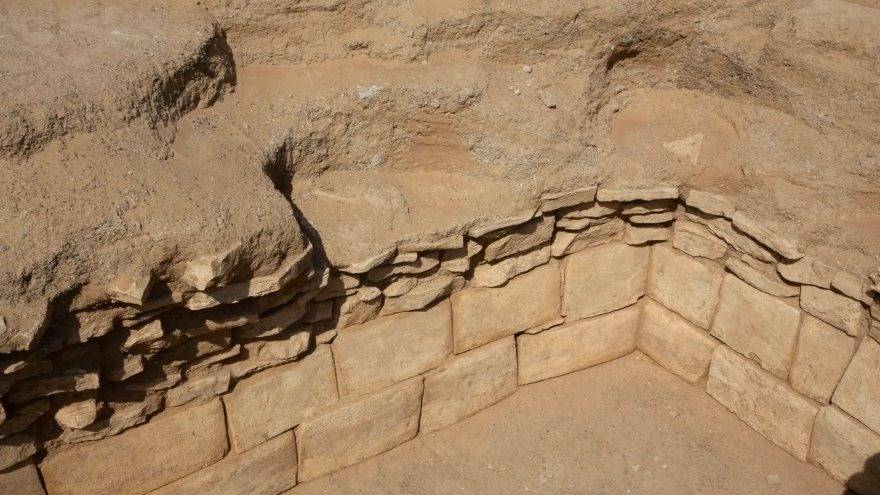
ABU DHABI – A remarkably preserved Late Bronze Age communal tomb has been uncovered in the Al Ain Region, offering archaeologists an extraordinary window into the lives, beliefs and traditions of some of the UAE's earliest communities.
The discovery was made by the Department of Culture and Tourism – Abu Dhabi (DCT Abu Dhabi) within the Pre-Islamic Qattarah Necropolis. Dating to the Wadi Suq period and the Late Bronze Age, around 2000 BCE to 1300 BCE, the find is expected to deepen understanding of prehistoric life across the Arabian Peninsula.
The discovery further reinforces the historical importance of Al Ain, a UNESCO World Heritage Site recognised for its role in the development of prehistoric cultures, while highlighting the region's enduring cultural legacy.
Ancient chamber
The newly excavated subterranean tomb measures around 11 metres long and 2.5 metres wide and is believed to have served as a communal burial site for hundreds of individuals over at least 1,000 years. Archaeologists say it was first used during the Wadi Suq period and remained in use until the Iron Age.
One of its most striking features is its exceptional state of preservation. The tomb was largely constructed using carefully repurposed ashlar blocks taken from even older Umm an-Nar funerary monuments dating to around 2700 BCE to 2000 BCE, reflecting the resourcefulness of the communities that built it.
Its entrance faces east, a design that may have allowed the rising sun to illuminate the chamber during burial rituals, suggesting symbolic links to renewal and reverence for ancestors. A carefully shaped stone door weighing more than 200kg marked the entrance, creating a clear threshold between the world of the living and that of the dead.
Historic finds
Excavations also uncovered an extensive collection of funerary objects, including pottery vessels, weapons and personal ornaments that provide valuable insights into burial customs and daily life during the period.
The human remains and artefacts are now being examined by DCT Abu Dhabi's archaeologists and osteoarchaeologists. Researchers will use advanced scientific techniques, including isotopic analysis and DNA testing, to investigate ancient diets, health conditions, migration patterns and family relationships, while also tracing trade networks that connected communities across the wider region.
New chapter
Mohamed Khalifa Al Mubarak, Chairman of DCT Abu Dhabi, said the discovery opens a new chapter in understanding the UAE's earliest history and highlights the importance of preserving the country's cultural heritage.
He said such discoveries strengthen the connection between present and past while inspiring future generations to appreciate the ingenuity and resilience of earlier societies. He added that DCT Abu Dhabi remains committed to protecting, researching and sharing the emirate's rich archaeological heritage.
The Qattarah Necropolis has previously produced significant archaeological discoveries, including communal tombs from the Wadi Suq and Late Bronze Age periods, Iron Age individual shaft tombs and Late Pre-Islamic tower tombs. The newly unearthed artefacts from the latest excavation are expected to be displayed in museums across Abu Dhabi after scientific studies are completed, allowing the public to explore another important chapter in the UAE's prehistoric past.