

India’s new e-passport: What are the benefits, and how to get it
No need to replace existing passport until expiry, says MEA
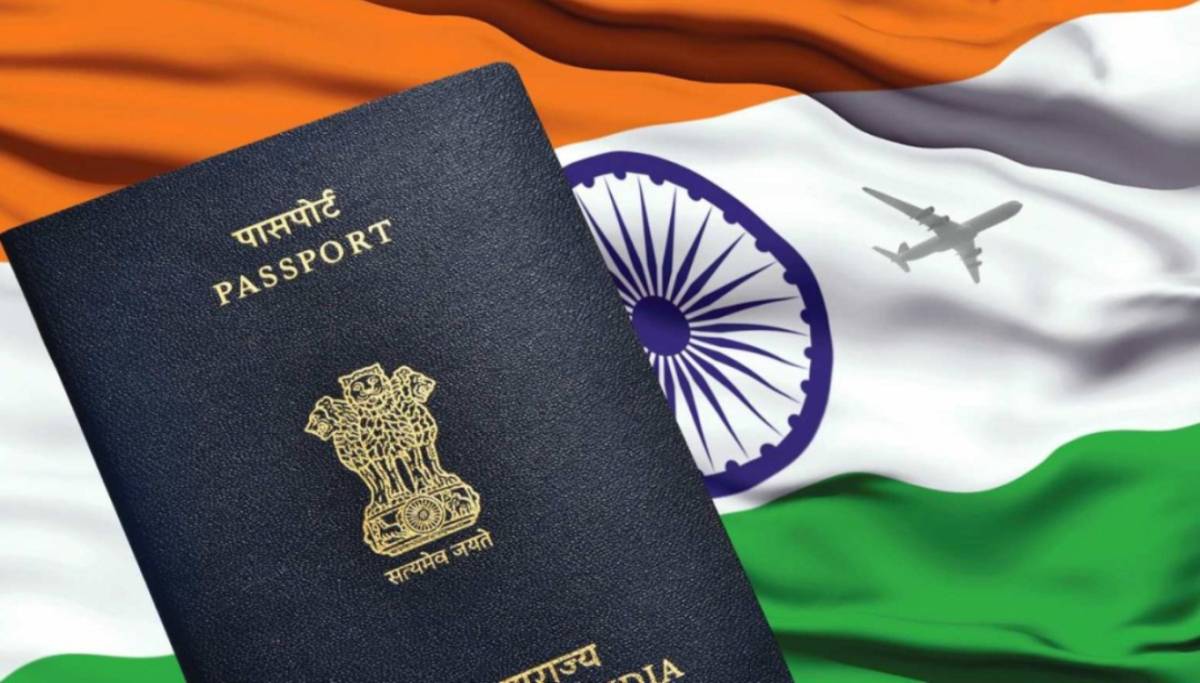
DUBAI: Indian travellers are set to benefit from a technological leap in travel documentation as the government rolls out electronic passports or e-passports.
The new passport comes embedded with a chip and antenna, designed to store biometric data securely and expedite identity verification at border controls. As part of the Passport Seva Programme (PSP) 2.0, the e-passport initiative officially began on April 1, 2024, under the Ministry of External Affairs (MEA).
Currently issued in select cities including Delhi, Chennai, Hyderabad, and Jaipur, the service is expected to expand to all Passport Seva Kendras (PSKs) across India by the end of 2025. Travellers using e-passports can expect faster immigration clearance at international airports that support biometric verification.
What’s inside India’s new e-passport
Unlike traditional passports, India’s e-passport features an embedded Radio Frequency Identification (RFID) chip and antenna within the back cover. The chip securely stores the passport holder’s personal and biometric information, including their photograph and fingerprints. The front cover displays a gold-coloured symbol, indicating the chip’s presence.
The technology behind these passports includes Public Key Infrastructure (PKI), which ensures that the data on the chip cannot be tampered with or duplicated. The chip also meets International Civil Aviation Organization (ICAO) standards, aligning India with countries like the US, UK, Australia, Canada, Germany, and Brazil, which already use similar systems.
Benefits for travellers
With both printed and digitally signed data, e-passports are more secure and harder to forge. At immigration counters equipped with e-gates, travellers can benefit from faster processing, as the system verifies their identity automatically using the stored biometric data.
The enhanced security reduces the risks of identity theft, forgery, and passport fraud. The digital upgrade also facilitates compliance with international norms, improving global mobility for Indian citizens.
Travellers to and from high-traffic destinations will particularly benefit from reduced wait times and smoother experiences at airports. This is especially valuable at hubs like Dubai, Heathrow, or JFK, where automated passport control lanes are available.
Where and how to get one
E-passports are currently being issued at passport offices in 13 cities, including New Delhi, Jammu, Goa, Nagpur, Shimla, Bhubaneswar, Ranchi, Surat, Chennai, Hyderabad, Jaipur, Amritsar, and Raipur. The MEA plans to scale this to all PSKs and POPSKs nationwide by late 2025.
In Tamil Nadu, the Regional Passport Office in Chennai began issuing e-passports on March 3, 2025. By March 22, over 20,700 e-passports had already been issued in the state, indicating swift public adoption.
The application process for e-passports remains unchanged. Citizens must register on the Passport Seva Online Portal, complete their application for a fresh or reissued passport, pay the required fee, and book an appointment at the nearest PSK or RPO. During the appointment, biometric details are collected and verified.
Once processed, the passport is printed and delivered to the applicant’s registered address.
No immediate change needed
The MEA has confirmed that existing traditional passports remain valid until their stated expiry date. There is no immediate requirement for Indian citizens to switch to e-passports. The transition is designed to be gradual and voluntary.
However, those renewing or applying for a passport in cities where the e-passport is available will receive the upgraded version by default.
The launch is part of India’s broader push towards integrating digital technologies into public services. As part of PSP 2.0, the initiative seeks to make travel safer, more efficient, and in line with global best practices.