

From underground to open: Karachi’s Gen Z embraces alcohol-free nightlife wave
Women-only events gain traction amid cultural and safety concerns
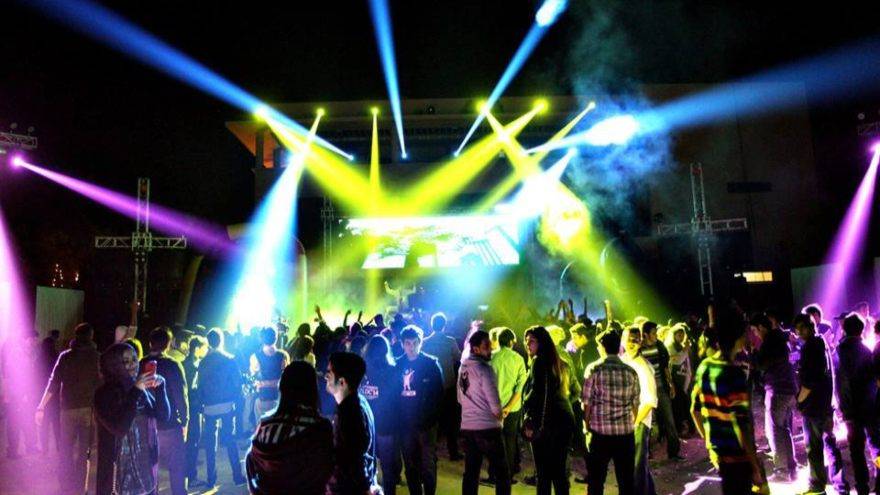
KARACHI — Under neon lights in a sports club, young revellers dance with iced tea and coffee in hand as music pulses through the venue. The scene resembles a typical party, but without alcohol, drugs, or late-night chaos. Instead, the music stops by 10 pm, and the atmosphere remains controlled and calm.
A growing number of young Pakistanis are embracing “sober socialising”, aligning with a global shift towards healthier lifestyles. In Pakistan, however, the trend carries deeper cultural resonance, as alcohol consumption is prohibited for Muslims, who form the vast majority of the population.
According to a Reuters report, these alcohol-free gatherings are becoming increasingly popular across Karachi, offering a legal and visible alternative to underground parties that once dominated the scene.
New scene
Young attendees say these events provide something long missing in the city – safe, open social spaces. Past party culture often relied on hidden venues due to the presence of alcohol and the risk of legal repercussions.
Organised events now operate with official approvals, capped attendance, and structured programming. At one such gathering, guests alternated between dancing and playing padel, a sport gaining popularity in Pakistan.
Security measures are also prominent. Cameras, including drones, monitor crowds to ensure compliance with no-alcohol policies and to prevent disturbances. Organisers say these controls are essential to maintaining a safe environment and avoiding the risks associated with unregulated events.
Safe spaces
Sociologists view the trend as an evolution rather than a rejection of cultural values. Kausar Parveen, associate professor at the University of Karachi, told Reuters that young people are reshaping social life within Islamic boundaries instead of moving away from them.
The rise of women-only events highlights another dimension of this shift. In a society where gender mixing can carry stigma, these gatherings offer a controlled and comfortable environment. Hosted in cafes and creative spaces, such events often feature music, dancing, and early closing times.
Organisers say demand for these experiences is growing, particularly among women seeking social freedom without scrutiny. Attendees note that shorter event durations also make it easier to navigate family expectations.
Rising demand
The broader market reflects this lifestyle change. Euromonitor data shows Pakistan’s soft drinks sector grew by more than 27% between 2020 and 2025, with hot beverages such as coffee expanding at a similar rate. This growth outpaces trends in mature markets like the United States and Britain, where non-alcoholic drink consumption has risen more gradually.
Despite ticket prices ranging from 3,000 to 7,000 Pakistani rupees ($10.73 to $25.04), attendance remains strong, even as entry-level monthly salaries average between 30,000 and 40,000 rupees.
As these events gain visibility, social media has amplified their reach. Influencers and attendees frequently share content in real time, something rarely seen in traditional underground parties.
For many in Karachi’s youth, sober raves are no longer an alternative – they are fast becoming the main event.