

Watch: Rare breeding of endangered Egyptian vulture recorded in AlUla
This desert bird uses tools and thrives in Saudi conservation effort
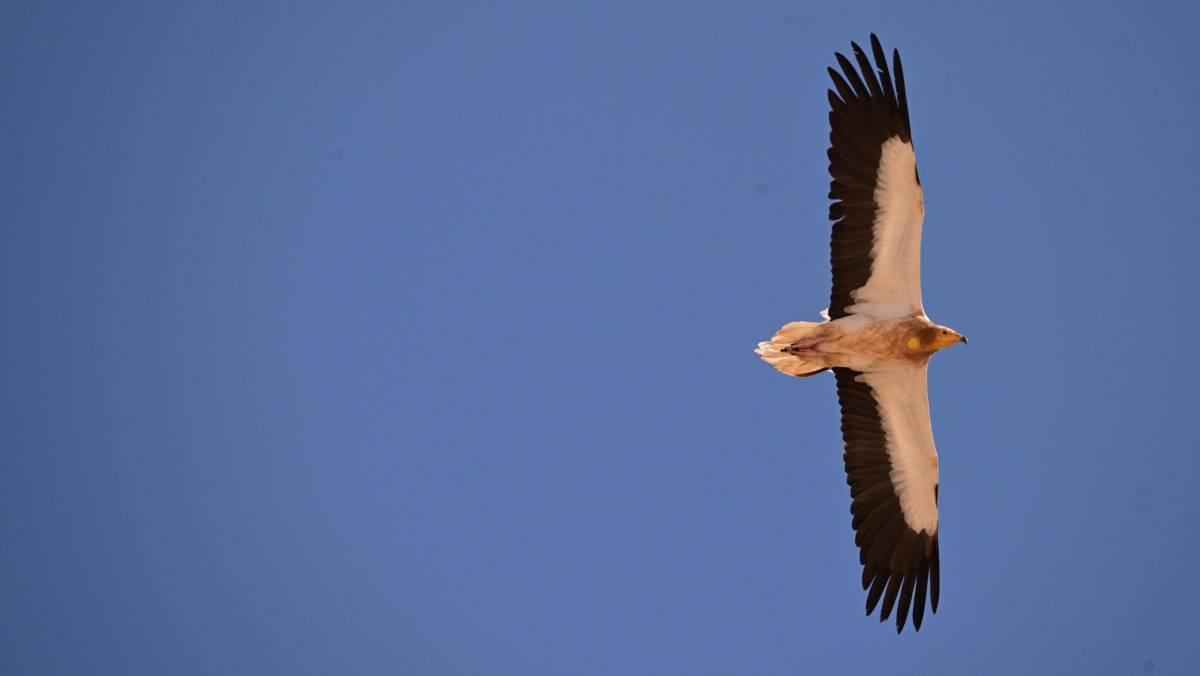
DUBAI: For the first time ever, a rare Egyptian vulture has been spotted feeding its chick in the cliffs of Sharaan National Park, located in the ancient oasis city of AlUla, Saudi Arabia.
Conservationists have confirmed the successful breeding of this endangered bird, marking a breakthrough for the species and a milestone for regional biodiversity.
The chick, estimated to be two to three weeks old, was recorded in a healthy nest high among the dramatic sandstone cliffs of the park. This is the first documented evidence of Egyptian vulture breeding in AlUla, and a strong indicator of the park’s role in wildlife regeneration.
Egyptian vulture
The Egyptian vulture (Neophron percnopterus) is easily recognisable by its white and black plumage, yellow face, and wedge-shaped tail. Known for its intelligence, it is one of the few bird species that use tools. Observations have captured them using stones to break open eggs and sticks to gather wool for nesting.
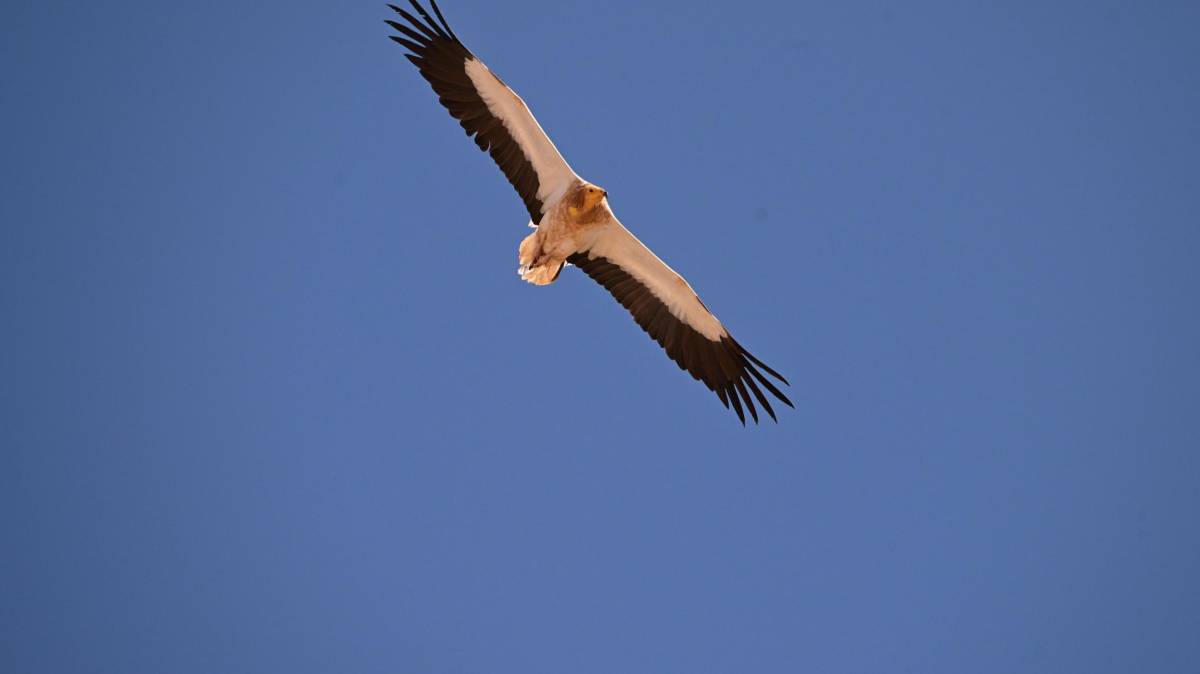
Once revered by the Pharaohs and carved into ancient hieroglyphs, the Egyptian vulture is now listed as Endangered by the International Union for Conservation of Nature (IUCN).
Biodiversity boost
The cliffs and canyons of Sharaan National Park, a protected and IUCN Green Listed area, have offered a crucial haven for the Egyptian vulture’s return. The presence of a successful nest reflects wider environmental efforts to protect native species.

Saudi Arabia’s total breeding population of Egyptian vultures is estimated to be around 50 pairs. In AlUla, three breeding territories have already been recorded this year. Extensive research suggests the area could support up to 10 breeding pairs in the near future.
The successful breeding in AlUla underlines its potential to become a key site for biodiversity, conservation, and nature-led tourism.
AlUla’s natural legacy
Located 1,100 km from Riyadh in north-western Saudi Arabia, AlUla spans an area of 22,561km². The region features a rich mix of natural wonders and historical sites, from lush oases to sandstone mountains.
Its most famous landmark is Hegra, Saudi Arabia’s first UNESCO World Heritage Site. Once a key city in the Nabataean Kingdom, Hegra includes 111 tombs carved into rock, many with ornate facades. Scholars believe it also served as the Roman Empire’s southernmost outpost after 106 CE.
AlUla is also home to the ancient city of Dadan, once the capital of the Dadan and Lihyan Kingdoms. Another highlight is Jabal Ikmah, an open-air library with hundreds of inscriptions in various ancient languages – recently included on UNESCO’s Memory of the World Register.
Visitors can also explore AlUla Old Town, a 12th-century mudbrick village with over 900 buildings. Recognised by the UN World Tourism Organisation in 2022 as one of the World’s Best Tourism Villages, it’s a reflection of AlUla’s commitment to sustainable heritage tourism.
Travellers can book their adventure and explore the convergence of nature and heritage.