

UAE travellers invited as Ethiopia unveils bold tourism transformation
New eco-destinations open across diverse landscapes
ABU DHABI – Ethiopia has launched an ambitious national tourism strategy aimed at positioning the country among Africa’s leading emerging destinations, while simultaneously progressing a landmark aviation project set to become the continent’s largest international airport.
The twin initiatives reflect a coordinated national vision linking tourism development with economic transformation, while strengthening ties with key global markets such as the UAE.
Officials say the strategy forms part of a broader reform agenda designed to modernise infrastructure, elevate visitor experiences, and unlock investment opportunities across multiple sectors. With its blend of cultural heritage and natural landscapes, Ethiopia is increasingly positioning itself as a compelling destination for international travellers, including residents of the UAE seeking new travel experiences.
Reform drive
Dr Jemal Beker Abdullah, Ethiopia’s Ambassador to the United Arab Emirates, stated that the tourism push is anchored in a comprehensive national reform programme led by Prime Minister Abiy Ahmed. The initiative aims to transform the sector into a globally competitive industry while ensuring long-term sustainability.

Urban rehabilitation projects are central to this effort, with Addis Ababa serving as the focal point of development. These initiatives have already been extended to more than 70 cities nationwide, creating an integrated tourism network supported by improved infrastructure, enhanced public spaces, and upgraded visitor facilities.
In a significant regional endorsement, Prime Minister Abiy Ahmed has been named Tourism Champion by the Intergovernmental Authority on Development (IGAD), highlighting Ethiopia’s growing influence in shaping tourism across East Africa and the Horn of Africa. The recognition reflects both policy direction and measurable progress in expanding the country’s tourism offerings.
Eco expansion
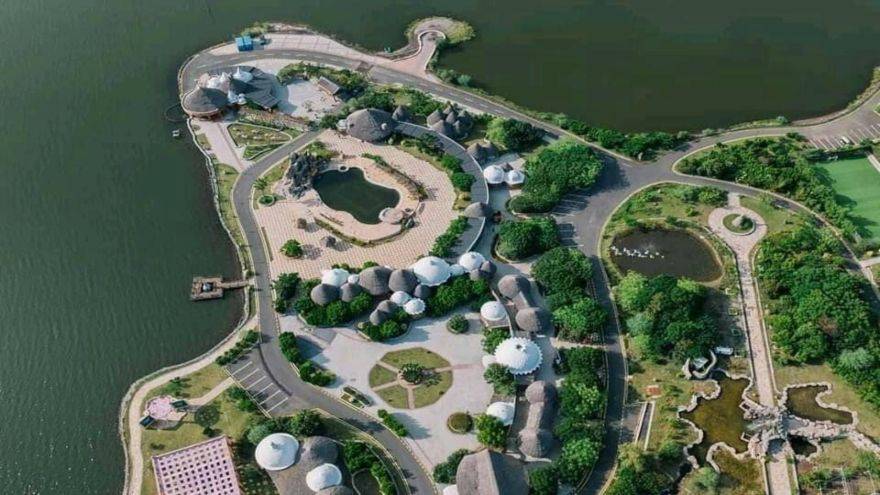
A major component of Ethiopia’s strategy is the development of ecotourism destinations, designed to showcase the country’s diverse landscapes while maintaining environmental sustainability. Among the flagship projects is Beynouna, a newly introduced eco-destination developed through collaboration between the governments of Ethiopia and the UAE alongside private sector partners. The project is positioned as a model for community-led and environmentally responsible tourism.
In an exclusive interview with Gulf Tourism News, Ambassador Dr Jemal confirmed that ecotourism has been identified as a priority growth area, with further developments underway in globally recognised locations such as the Simien Mountains, the Omo Valley, and the Great Rift Valley lake system. These initiatives are supported by updated environmental legislation and strengthened wildlife conservation programmes aimed at preserving Ethiopia’s natural heritage.
“Ethiopia’s landscapes, history and people are ready to welcome the world. For visitors from the UAE, this is a unique and timely moment – the infrastructure is new, the welcome is genuine, and the experience is unlike anything else in the region,” the ambassador said in the interview with Gulf Tourism News.
Heritage appeal
Ethiopia’s tourism offering continues to be anchored by its extensive historical and cultural heritage. Among its most recognised attractions are the rock-hewn churches of Lalibela, a UNESCO World Heritage Site comprising 11 monolithic churches carved directly into stone during the 12th and 13th centuries. The ancient city of Axum, once a powerful trading empire, also remains a key draw for visitors seeking insight into the region’s early civilisation.

Cultural festivals such as Meskel and Timkat further enhance the country’s appeal, attracting both domestic and international visitors. These events provide immersive experiences rooted in centuries-old traditions, reinforcing Ethiopia’s reputation as one of Africa’s most historically rich destinations.
To support tourism growth, the government is actively encouraging private-sector participation through a series of reforms. These include tax incentives, streamlined administrative processes, and expanded investment in transport networks, accommodation, and tourism services. Air connectivity with the UAE remains a cornerstone of the strategy, reflecting the Emirates’ role as a critical partner in Ethiopia’s tourism expansion.
New international airport
A central pillar of the country’s long-term vision is the construction of a new international airport, with a projected capacity of up to 110 million passengers annually and an estimated investment of $12.5 billion. Once completed, the facility is expected to significantly enhance Africa’s aviation infrastructure while supporting the continued growth of Ethiopian Airlines, which currently serves more than 130 international destinations and is recognised as the continent’s leading carrier by network reach.
These developments align with Ethiopia’s broader ambition to establish itself as a regional hub for trade, logistics, and transport. With a population exceeding 120 million and a strategic geographic position connecting Africa, the Middle East, and beyond, the country is positioning tourism as a key driver of economic diversification and international engagement.
Ambassador Dr Jemal reiterated Ethiopia’s invitation to travellers from the UAE and the wider Gulf region, highlighting the country’s readiness to welcome visitors as its tourism landscape continues to evolve through infrastructure upgrades, new destinations, and expanded connectivity.