

US student visa processing resumes with mandatory social media checks
US student visa processing resumes with mandatory social media checks
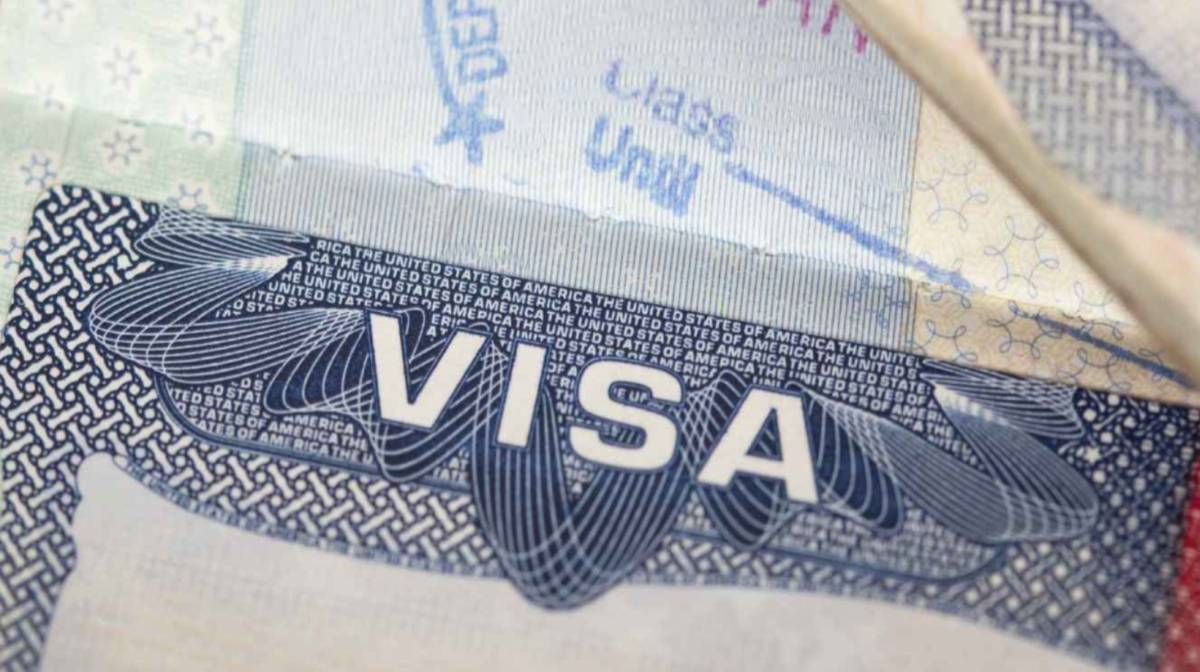
DUBAI: The United States has lifted a month-long suspension on student visa processing, bringing relief to thousands of international students preparing for the academic year.
However, the reopening comes with a sweeping new rule: all student and exchange visa applicants must now allow public access to their social media accounts for detailed review by US consular officers.
The new policy, announced by the State Department on Wednesday, applies to F, M, and J category visas, covering students and exchange visitors. Officials say the social media screening will help ensure all visitors align with American values and pose no threat to national security. While student visa services have resumed globally, the process will now include a deep digital vetting component – raising concerns over privacy, freedom of expression, and ambiguity in screening criteria.
Background of visa suspension
The visa suspension began on May 27, 2025 under the Trump administration, which temporarily halted new interview scheduling while preparing to roll out enhanced background checks. This pause, implemented during the peak visa season of May to August, caused significant delays for thousands of students globally.
In 2024, nearly 70% of all US student visas were issued during this four-month window. The temporary halt left many students scrambling for information as they tried to finalise plans for housing, travel, and university registration in the United States.
Reports emerged of students across China, India, Mexico, and the Philippines closely monitoring embassy websites and social media channels for any sign of reopening.
Stricter digital screening
Under the updated rules, visa applicants must now:
- Adjust privacy settings on all social media platforms to public
- Cooperate with full digital screening, including public posts and messages
- Avoid deleting content abruptly, which may raise suspicion
Consular officers have been instructed to screen applicants' social media and broader online presence – including publications, forums, and public databases – for any signs of:
- Hostility toward US citizens, culture, or government
- Support for terrorism or antisemitic harassment
- Political activism that may continue on US soil
Screenshots of any concerning content will be saved as part of the visa file. Importantly, this new screening process applies not only to first-time applicants but also to returning students.
A State Department cable sent to US posts worldwide emphasised that this step ensures “we are properly screening every single person attempting to visit our country.”
Rising privacy concerns
The move has triggered concerns among education advocates and student communities. Some applicants fear that years-old posts, taken out of context, could result in visa denial. Others question the vagueness around what qualifies as “hostile content” and worry that expressing political opinions could be seen as a red flag.
In recent months, US authorities have also increased scrutiny of international students through additional policy moves. These include expanded grounds for revoking student status and proposed enrolment caps at prestigious institutions like Harvard.
US student visa application guide
How to apply
- Receive admission from a SEVP-certified US institution
- Obtain Form I-20 from your school
- Pay the SEVIS I-901 fee online
- Complete the DS-160 application form
- Schedule an interview at a US embassy or consulate
- Prepare and bring documents including: Valid passport, Form I-20, Proof of finances, Academic transcripts, and Public social media profiles.
What students need to know
- Make all social media accounts public before applying
- Avoid deleting or editing posts just before your interview
- Maintain consistency between your application and digital footprint
- Content critical of the US may impact your eligibility