

UAE-Russia travel: Flights resume as Moscow lifts Iran airspace restrictions
Transit and commercial flights resume under strict aviation safety guidelines
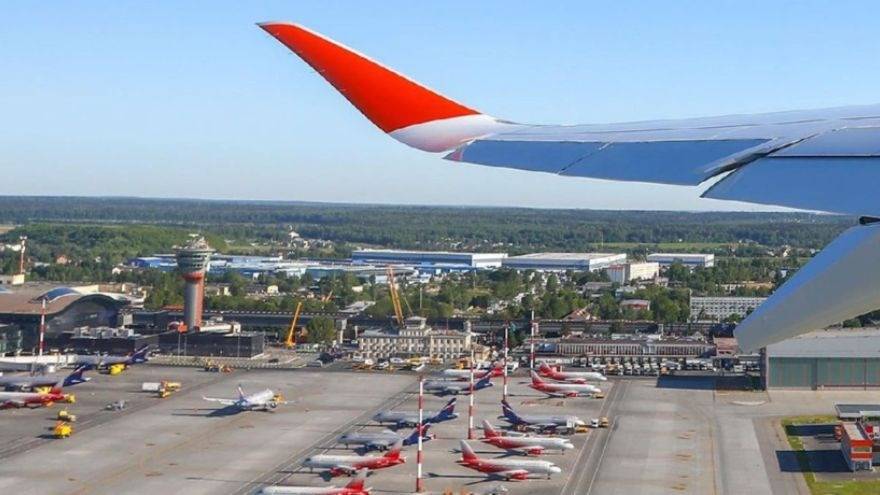
DUBAI/MOSCOW – Russian aviation authorities have moved to restore key flight operations affecting routes between the United Arab Emirates and Russia after lifting restrictions on Iranian airspace.
The decision by the Federal Air Transport Agency, Rosaviation, also reopens previously suspended ticket sales for flights to and from the UAE.
The curbs had been imposed in response to escalating tensions linked to the broader Middle East crisis involving the US, Israel and Iran. Officials confirmed that the updated framework allows airlines to gradually resume services while maintaining strict safety oversight.
Rosaviation stated that, in coordination with the Ministry of Transport and the Ministry of Foreign Affairs, it has cancelled earlier recommendations advising Russian airlines to suspend ticket sales for UAE destinations. Restrictions on flights passing through Iranian airspace have also been lifted, restoring a key transit corridor for international carriers.
Transit operations and flights to Iranian airports may now proceed, but only under strict compliance with instructions issued by Iranian aviation authorities. The agency stressed that aviation safety remains the highest priority as carriers adjust routes across the region. Russian specialists continue to monitor civil aviation developments in the Middle East to determine whether further adjustments will be required.
Regional tensions
The reopening comes against a backdrop of continued uncertainty despite a two-week ceasefire framework in the region, which is due to expire on Wednesday. Over the weekend, tensions escalated after US forces reportedly seized an Iranian cargo vessel, prompting Tehran to shut the Strait of Hormuz. The move contributed to a rise in global oil prices and added pressure on futures markets.
Iran is also reviewing a US proposal delivered during a visit by Pakistan’s army chief, Field Marshal Asim Munir, according to Iranian Foreign Ministry spokesperson Esmail Baghaei. However, Tehran has expressed reluctance to send diplomats to Pakistan for a second round of discussions.