

From World Cups to concerts: How big-ticket events are driving GCC tourism
Middle East set for US$827m events market by 2029
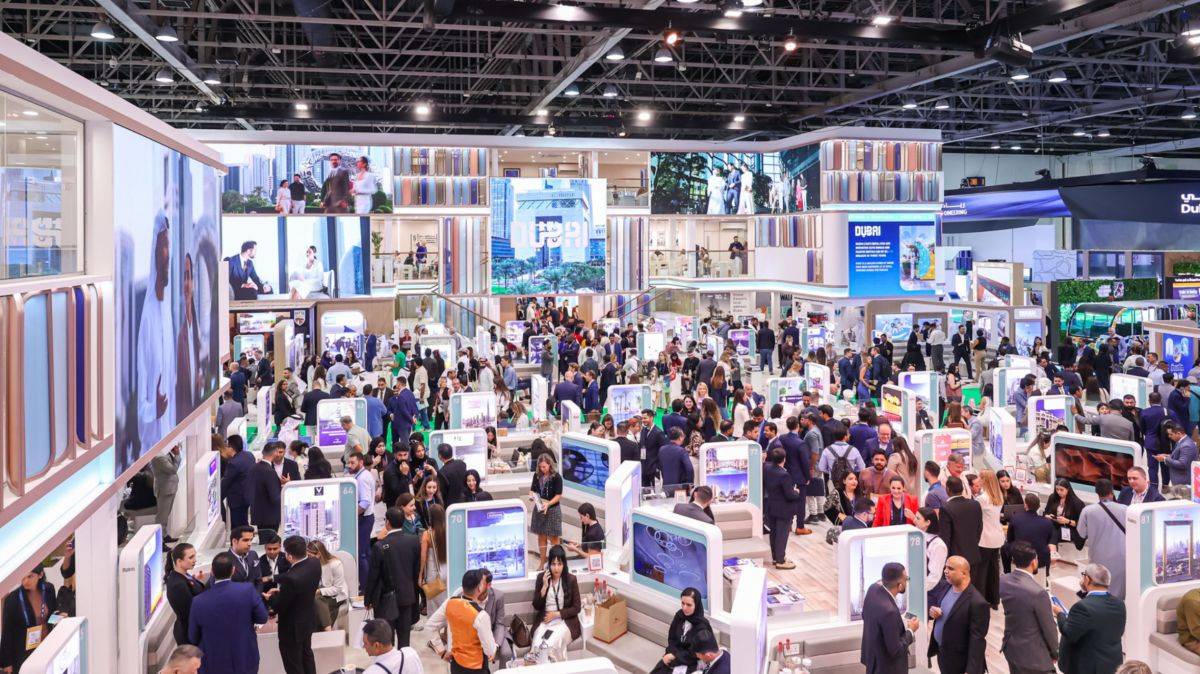
DUBAI – Big-ticket events are playing a pivotal role in driving international tourism and accelerating economic growth, according to experts speaking at Arabian Travel Market (ATM) 2025.
In the GCC alone, the event and exhibition market is forecast to reach US$827 million by 2029, growing at a compound annual growth rate of 3.94 percent.
Momentum has been building across the region following the global success of major events such as the FIFA World Cup Qatar 2022 and Expo 2020 Dubai, with Saudi Arabia preparing to host the 2034 World Cup. Industry specialists at ATM 2025 underlined how these events are strengthening tourism, boosting hotel occupancy, supporting infrastructure development and creating long-term international exposure for host destinations.
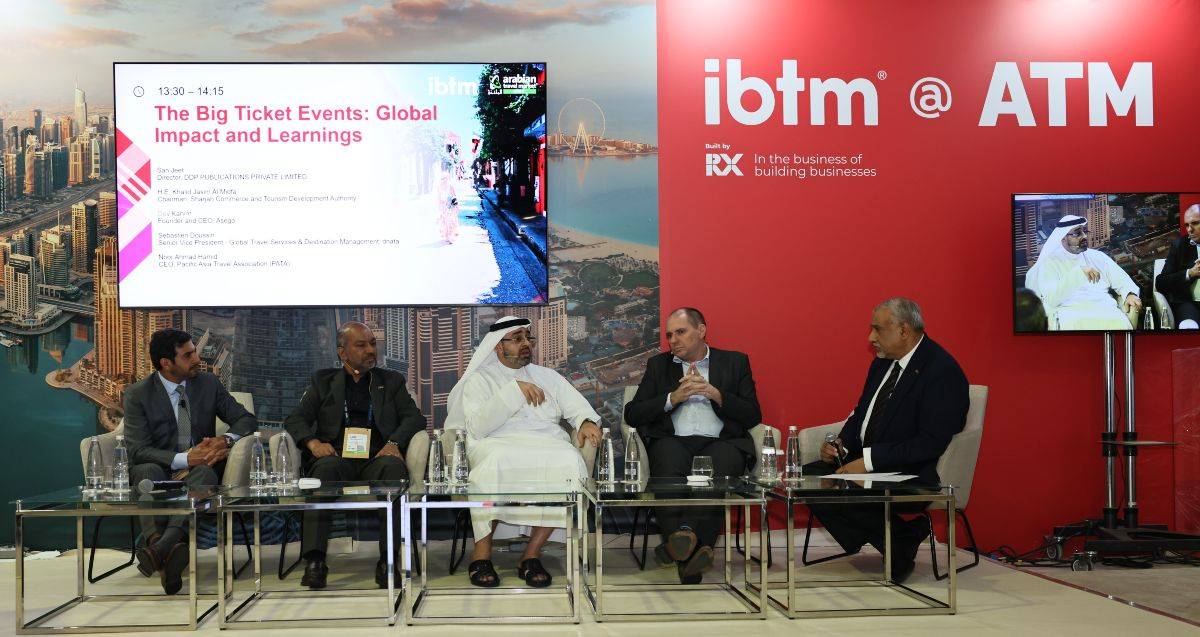
The panel at ATM 2025 featured Khalid Jassim Al Midfa, Chairman, Sharjah Commerce and Tourism Development Authority; Sebastien Doussin, Senior Vice President, Global Travel Services & Destination Management, dnata; and Noor Ahmad Hamid, CEO, Pacific Asia Travel Association (PATA). Their insights focused on the evolution of high-value events, often labelled ‘big-ticket’ for their scale, cost and impact.
What impact do events create?
Panellists noted that mega-events consistently attract millions of international visitors, driving immediate economic returns while building a long-term brand identity. Khalid Jassim Al Midfa highlighted the strategic importance of these occasions: “Big-ticket events provide a destination with an opportunity to establish brand positioning and exposure in a competitive global environment. These events play a vital role in supporting broader government objectives, but it is essential to invest in the right product for your destination.”
Doussin pointed to the success of the Abu Dhabi Grand Prix, the increasing popularity of international golf tournaments across the UAE, and the arrival of NBA fixtures in Abu Dhabi as examples of how large-scale sports events can reposition destinations globally.
Technology was also identified as a key factor transforming the event experience. Doussin explained that all ticketing for the FIFA World Cup Qatar 2022 was fully digital via the official event app, creating a seamless customer journey. This digital transformation, he said, has redefined ticketing, accessibility and overall visitor satisfaction.
Hamid urged the industry to adopt a broader definition of big-ticket events, pointing to exhibitions, conferences and cultural performances. He cited Bangkok’s weekly K-pop concerts as examples of how entertainment can extend visitor stays and enhance local tourism revenues.
How are travel trends shifting?
The ATM Travel Trends report reinforced the panel’s insights, highlighting the growing importance of live entertainment and sports in shaping travel decisions. According to the report, 50% of industry experts consider leisure events the leading opportunity for regional tourism growth, with rising demand for in-person and cultural experiences.
One of the strongest trends identified was the rise of ‘bleisure’ travel, combining business trips with extended leisure stays. This has been accelerated by flexible working arrangements and remote work opportunities, often supported by new visa schemes across the region. Travellers attending conferences and exhibitions are increasingly prolonging their visits to explore leisure activities, providing an additional tourism boost.
Business events, commonly referred to as the MICE sector (meetings, incentives, conferences and exhibitions), are also gaining ground. The report revealed that global business travel spending hit a record US$1.4 trillion in 2024 and is forecast to grow to US$2 trillion by 2030. The Middle East is projected to raise its share of this market from 2.5% in 2024 to over 3% by 2030.
This growth is supported by the region’s advanced infrastructure, strong airline connectivity and its position as a strategic hub linking Asia, Africa and Europe. The UAE, Qatar and Saudi Arabia are all investing heavily in convention centres, hotels and transportation networks to capture an even greater share of the sector.
When is the next phase?
Danielle Curtis, Exhibition Director ME at Arabian Travel Market, noted that the prominence of big-ticket events has become central to the region’s global reputation. She said their role in driving diversification, international branding and tourism expansion is now more critical than ever.
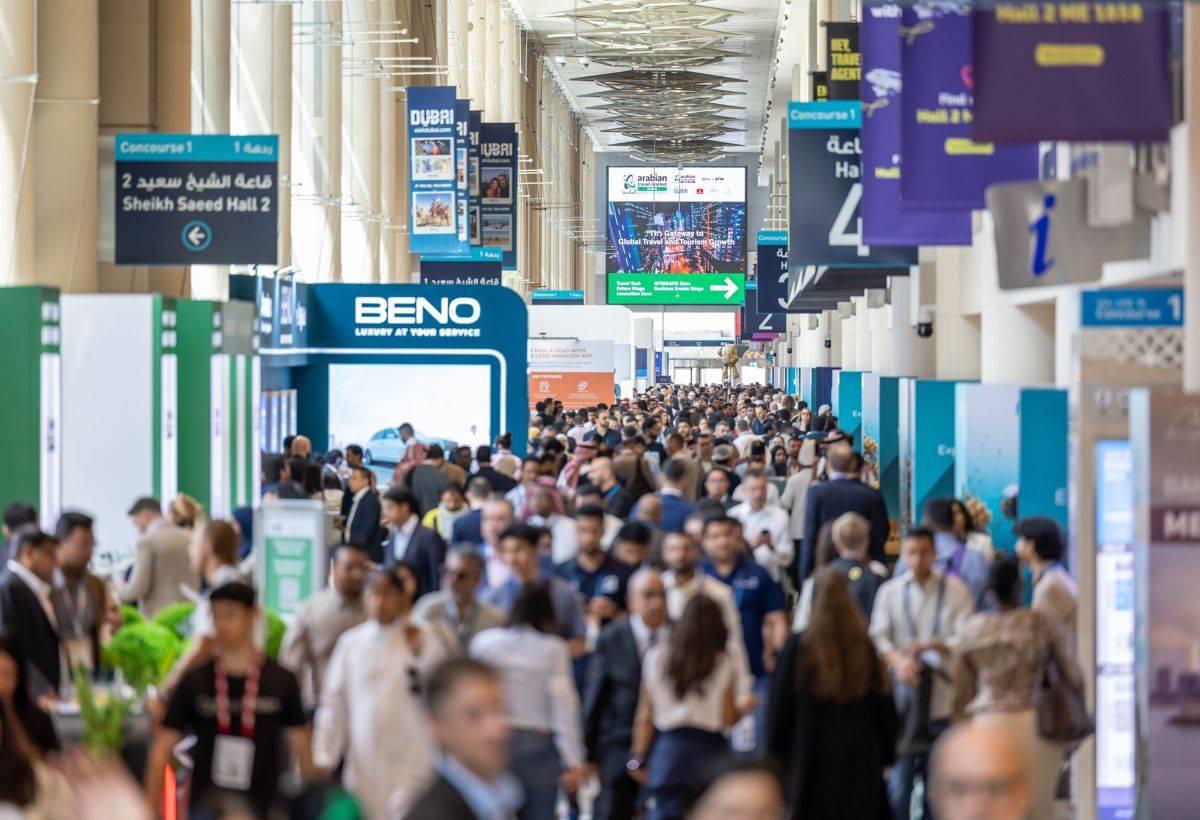
Building on the momentum, ATM confirmed that IBTM@ATM will return in 2026, again at the Dubai World Trade Centre from 4–7 May. The specialised zone within Hall 3 will focus on business events, offering international event planners and conference organisers access to key suppliers and destinations. The IBTM Stage will host a tailored conference programme designed to encourage knowledge sharing and industry collaboration.
The initiative, which proved successful in its debut edition, underscores the region’s growing emphasis on high-value connections in the global events industry. The 2026 edition is expected to attract significant international participation, reinforcing Dubai’s role as a global hub for both leisure and business tourism.
ATM itself will also return to the Dubai World Trade Centre from 4–7 May 2026, featuring an expanded programme designed to highlight tourism trends and innovations.
Attendees and exhibitors can also register their interest or make enquiries for the upcoming event.