

Abu Dhabi unveils 11th generation Emirati Queen Bees
Production targets expanded with seasonal distribution across UAE beekeepers
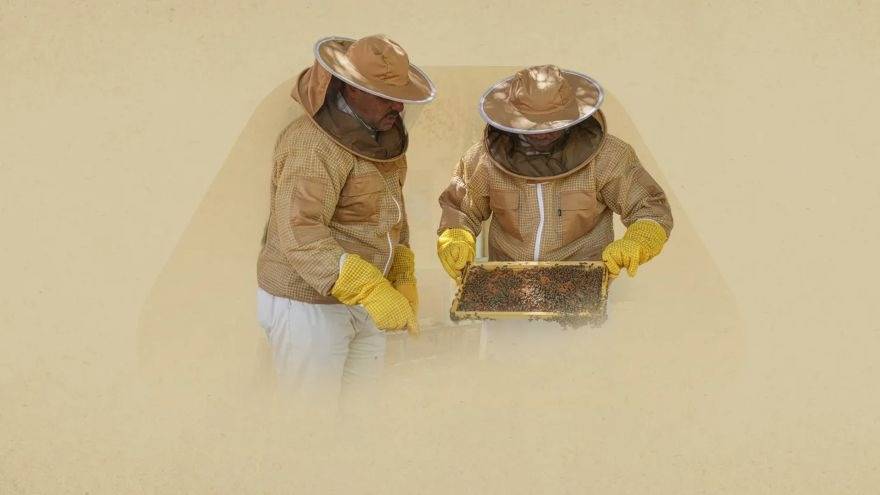
ABU DHABI – The Abu Dhabi Agriculture and Food Safety Authority (Abu Dhabi Agriculture and Food Safety Authority) has announced the commencement of production of the 11th generation of Emirati queen bees, marking a significant milestone in its long-term programme to advance the beekeeping sector and strengthen national food security.
The announcement coincides with World Bee Day 2026, observed on 20 May, a global occasion recognising the essential role of bees in agriculture, biodiversity and ecosystem balance. This year’s theme, “Bee together for people and the planet, a partnership that sustains us all”, highlights the interconnected relationship between pollinators and sustainable food systems.
The initiative reflects Abu Dhabi’s continued investment in reducing reliance on imported bee packages while improving the quality and resilience of locally adapted honeybee strains. Over the past decade, the authority has steadily built an integrated breeding programme designed to enhance productivity, preserve environmental balance and support beekeepers across the United Arab Emirates.
Emirati Queen Bees
ADAFSA confirmed that the Emirati honeybee breeding programme has now successfully completed 10 consecutive generations between 2015 and 2025. During this period, approximately 25,000 queen bees were produced, of which around 19,000 were distributed to 613 beekeepers across the country. This distribution model has played a central role in strengthening local apiculture capacity and improving honey yields in diverse ecological zones.
With the launch of the 11th generation in March 2026, production has already begun at scale. Around 1,500 queen bees have been reared to date, with 850 already distributed to 23 beekeepers. The authority has set a production target of 2,000 queen bees for the spring season (March–May 2026) and 3,300 for the autumn season (October–November 2026), bringing the total planned output to 5,300 Emirati queen bees during 2026.
The programme is designed not only to increase production volumes but also to strengthen genetic resilience and adaptability of local bee strains to the UAE’s climate conditions, particularly in arid and semi-arid environments.
Queen breeding
The queen bee development programme is central to ADAFSA’s broader agricultural sustainability strategy. By focusing on locally adapted strains, the authority aims to reduce colony losses, enhance honey quality and ensure stable production cycles throughout the year.
The initiative supports the production of premium honey varieties linked to the UAE’s native vegetation, including Sidr, Samar, Ghaf, Mangrove (Qurm), Harmal and wildflower honey. These varieties are closely tied to specific ecological zones, each contributing distinct flavour profiles and nutritional properties that have helped Emirati honey gain increasing recognition in regional and international markets.
In parallel, ADAFSA continues to raise awareness about the ecological importance of bees. Pollinators play a vital role in maintaining biodiversity, supporting crop yields and sustaining natural ecosystems. The authority has reinforced this message through public outreach programmes and participation in national exhibitions and agricultural forums.
The development of the Emirati honeybee strain is also closely linked to pest management and colony health. The authority has emphasised the importance of combating threats such as wax moth infestations, which can significantly affect hive productivity. Strengthening queen bee quality remains a key factor in improving colony resilience and long-term sustainability.
Abu Dhabi Honey
As part of its strategic vision, ADAFSA is advancing the “Abu Dhabi Honey” initiative to enhance the competitiveness and economic value of locally produced honey. The initiative focuses on supporting beekeepers with high-performance queen bees while implementing strict quality standards across production processes.
It aims to build a structured ecosystem that connects production with market expansion, ensuring Emirati honey maintains a strong presence in both regional and global markets. The initiative also promotes value-added hive products such as honey vinegar and beeswax-based decorative and artistic items, contributing to diversified income streams for beekeepers.
The authority continues to emphasise the importance of aligning honey production with the UAE’s environmental diversity, including desert, mountain and coastal ecosystems. This approach ensures that honey varieties retain their natural identity while meeting international quality benchmarks.
Al Wathba Honey Festival
A key platform supporting the sector is the Al Wathba Honey Festival organised from 5 to 14 December 2025 under the framework of the Sheikh Mansour bin Zayed Agricultural Excellence Award, held during the Sheikh Zayed Festival in Al Wathba.
The festival saw participation from 42 beekeepers and specialised honey production companies, with 221 participants competing across eight categories, including a newly introduced award for the best local pollen product. A total prize pool of Dh622,000 was awarded to 40 winners, reflecting the growing competitiveness and innovation within the sector.
ADAFSA also engaged in several national platforms, including the Al Ain Heritage Exhibition, the Emirates Agriculture Conference and Exhibition, and the Make it in the Emirates Forum. These events showcased the diversity of Emirati honey sourced from mountains, deserts and mangrove ecosystems, while promoting awareness of value-added bee products.
Global recognition
Internationally, Emirati honey has continued to strengthen its reputation through success at the Paris International Honey Awards (PIHA) 2026, held under the Paris International Honey Awards. The authority secured three major awards: a Gold Award for Sidr honey, a Gold Award for Samar honey in the liquid category, and a Silver Award for crystallised Ghaf honey.
In addition, 13 Emirati beekeepers participated with 29 honey samples, earning two Platinum awards, 21 Gold awards and six Silver awards. These results underscore the growing global competitiveness of Emirati honey and reflect improvements in production quality, supported by sustained government investment and technical training programmes.
The achievements have been linked to the authority’s continued collaboration with national institutions, including the Department of Municipalities and Transport, which has supported initiatives to allocate regulated beekeeping sites in government-owned forests and natural areas. These sites are carefully managed with ecological controls, including limits of 100 beehives per location to preserve environmental balance and protect nectar sources.
Under this initiative, outstanding beekeepers selected from award winners are granted access to designated production zones, with ADAFSA overseeing weekly inspections of apiaries, honey extraction processes and laboratory testing of samples. All honey products are assessed for pesticide and antibiotic residues to ensure compliance with strict health and quality standards.
Capacity-building remains a core pillar of the strategy. ADAFSA has conducted specialised workshops and scientific seminars covering beekeeping best practices, competition readiness and preparations for major international events, including the forthcoming Apimondia Congress 2027.
Training programmes include beginner courses on beekeeping fundamentals, sessions on good apiculture practices and upcoming specialised training scheduled for May–June 2026 focusing on apiary setup, pest control and honey production in Ghaf, Samar and mangrove environments. These efforts aim to equip beekeepers with advanced technical knowledge while ensuring healthy and productive colonies adapted to local environmental conditions.