

Eid Al Adha 2026 likely date for UAE revealed in new astronomical calculations
Crescent visibility window suggests favourable conditions for moon sighting

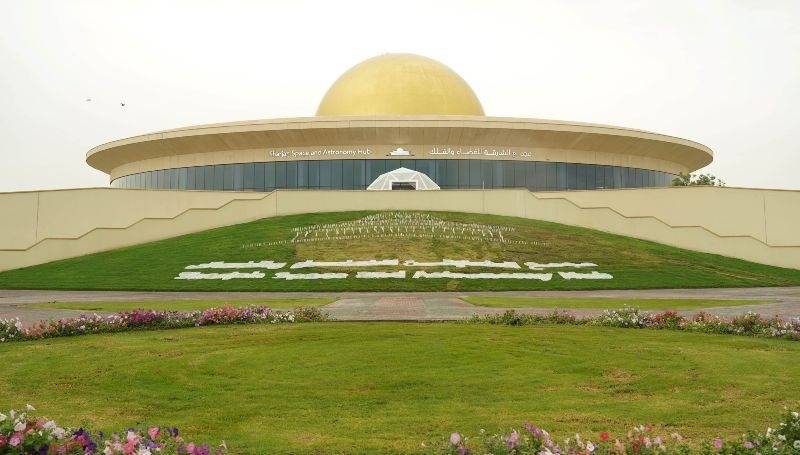
DUBAI – The Sharjah Space and Astronomy Hub (SSAH) at the University of Sharjah has released detailed astronomical calculations outlining the expected sighting conditions for the crescent moon marking the beginning of Dhu al-Hijja 1447 AH.
Based on its projections, Wednesday, May 27, 2026, is likely to correspond to the first day of Eid Al Adha in the UAE.
The centre’s technical analysis also indicates that the Day of Arafat is expected to fall on Tuesday, May 26, 2026, while the first day of Dhu al-Hijja is projected to begin on Monday, May 18, 2026.
Eid Al Adha in UAE
The calculations show that the lunar conjunction will occur at 12:17 a.m. on Sunday, May 17, 2026, corresponding to Dhu al-Qa’da 29, 1447 AH, UAE time. At sunset on the same day, the crescent moon is expected to be around 18 hours and 39 minutes old, remaining above the horizon for approximately 57 minutes.
According to the report, this duration is generally considered sufficient for potential naked-eye visibility under clear atmospheric conditions.
The SSAH notes that the visibility window for the new crescent moon provides scientifically favourable conditions for early lunar sighting. These calculations are derived using advanced astronomical models that track the moon’s position, age, and setting duration relative to the horizon. The centre emphasised that while the projections support likely visibility, actual sighting conditions may still depend on weather clarity and observational factors.
Scientific coordination
Prof. Hamid MK Al Naimiy, Director of the Hamid MK Al Naimiy, stated that SSAH has already shared its scientific findings with the UAE Fatwa Council to assist in the religious and astronomical assessment of the Hijri calendar.
The collaboration aims to support the integration of scientific data with traditional moon-sighting practices used in determining Islamic months and key religious occasions.
The centre underlined that all calculations are provided strictly for scientific and astronomical reference. It further reiterated that the official declaration of the beginning of Hijri months and religious observances remains under the jurisdiction of the relevant national religious authorities in the UAE.