

UAE-Oman rail corridor hits 40pc completion as construction accelerates
Hafeet Rail project to enhance trade, mobility and regional logistics connectivity
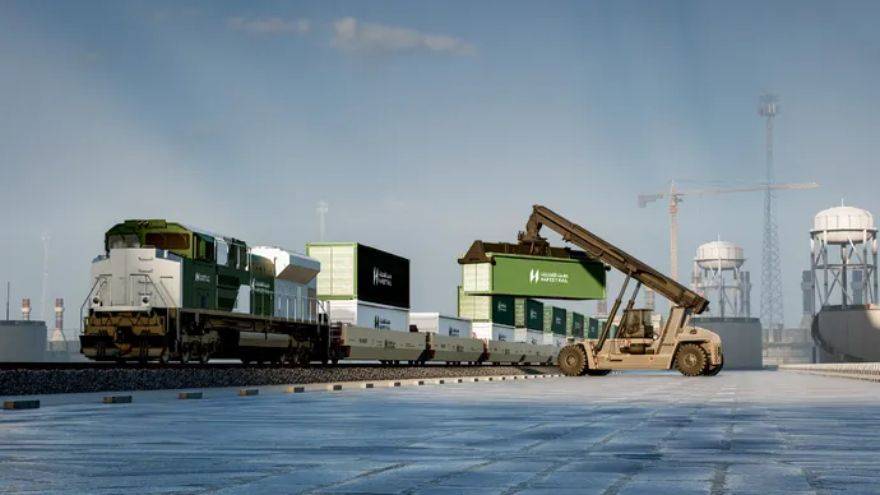
DUBAI – Hafeet Rail, a joint venture between Etihad Rail, Oman Rail and Mubadala Investment Company, has announced the completion of 40 percent of the Oman-UAE railway connection project.
The development marks a significant milestone for one of the region’s most prominent infrastructure and logistics initiatives. Designed to strengthen cross-border connectivity, the railway is expected to play a key role in enhancing trade flows and regional integration.
Spanning 238 kilometres, the railway corridor aims to establish a high-efficiency transport and logistics network linking major economic centres across the UAE and the Sultanate of Oman. The project is structured to improve supply chain resilience, facilitate freight movement, and support long-term economic cooperation between the two nations.
Hafeet Rail project
Construction is progressing at pace across several strategic locations, including the Al Ain Region, Al Buraimi, Sohar and Wadi Al Jizzi. The route traverses a range of terrains, from urban and industrial areas to mountainous landscapes and deep wadis, each requiring complex engineering solutions.
Large-scale excavation works are underway alongside the construction of bridges and tunnels. Integrated flood protection systems are also being implemented to ensure long-term operational safety, particularly in areas prone to seasonal water flows. These engineering interventions are designed to maintain reliability across varying environmental conditions.
Abdulrahman Al Hatmi, Chief Executive of Asyad Group in Oman, said the pace of implementation reflects a shared commitment to delivering the project on schedule. He noted that the railway builds on the foundation laid by the development of Oman’s rail sector, adding that national expertise developed over the past decade is now contributing directly to the project’s execution.
Construction progress
Work on the ground continues to advance at scale. More than 27 million cubic metres of earthworks have been completed, marking one of the largest elements of the construction phase. Concrete works have exceeded 100,000 cubic metres, while progress in tunnel excavation has reached key milestones.
Major structural components are also taking shape, with around 80 structures currently under construction at different stages. This includes the completion of approximately 900 concrete piles and 130 box culverts, supporting the railway’s structural integrity and drainage systems.
Development is also ongoing at key logistics and operational hubs in Sohar and Al Buraimi. These sites are expected to play a central role in linking ports, industrial zones and logistics centres, enabling efficient freight movement across borders within an integrated regional transport framework.
Ahmed AlMusawa AlHashemi, Chief Executive of Hafeet Rail, said reaching the 40 per cent milestone highlights the strength of the project’s foundations. He added that the focus now remains on sustaining construction momentum, enhancing coordination between stakeholders, and delivering long-term value aligned with international standards.
The project has also recorded ten million safe man-hours without major injuries, reflecting established safety systems and risk management practices across construction sites.
Future impact
The railway will incorporate advanced signalling, control and communication technologies that meet internationally recognised standards. These systems are designed to ensure seamless interoperability between the UAE and Omani rail networks while improving operational efficiency.
Enhanced automation and reduced train headways are expected to increase network capacity and reliability, supporting consistent performance across varying operational and weather conditions.
Beyond freight operations, the project is set to form the basis for future passenger rail services. This is expected to boost tourism, facilitate business travel and strengthen social connectivity between the two countries, aligning with broader development strategies such as Oman Vision 2040 and the UAE’s national growth agenda.