

UAE unaffected by US strikes on Iran’s nuclear sites
Abu Dhabi warns against dragging region into broader military conflict
ABU DHABI: The United Arab Emirates has confirmed that there is no impact on its territory from the recent United States airstrikes on Iran’s nuclear facilities, which marked a significant escalation in regional tensions.
The UAE Ministry of Foreign Affairs and the Federal Authority for Nuclear Regulation (FANR) released official statements addressing the situation and urging calm.
In a statement issued on Sunday, the Ministry of Foreign Affairs expressed deep concern over the intensifying military confrontation in the region, especially the targeting of Iran’s nuclear infrastructure. The UAE stressed the urgent need for de-escalation, calling on all parties to prioritise diplomatic solutions to prevent further instability.
UAE Follows with Deep Concern the Military Confrontation in the Region, and Calls for Wisdom and Dialoguehttps://t.co/2PuWf8v6ts pic.twitter.com/OZcxy8N2tw
— MoFA وزارة الخارجية (@mofauae) June 22, 2025
The Ministry called on the international community, including the United Nations and the UN Security Council, to take firm and responsible action to resolve the situation. It emphasised that the region is at a critical juncture, and only inclusive dialogue can prevent a wider regional conflict. “Wisdom and political solutions must take precedence over aggression,” the statement said.
No radioactive fallout
The Federal Authority for Nuclear Regulation also addressed growing public concern regarding the possibility of radioactive fallout or environmental impact in the UAE due to the airstrikes.
No impacts on UAE resulting from latest developments in Iran: FANR#WamNews https://t.co/HL3qtDSi4W pic.twitter.com/0soRyEHLtb
— WAM English (@WAMNEWS_ENG) June 22, 2025
FANR confirmed that it is in close coordination with international partners, including the International Atomic Energy Agency (IAEA), and is receiving continuous updates through official channels. Based on this ongoing monitoring, FANR stated unequivocally that there are no impacts on the UAE arising from these developments.
The authority advised the public to rely only on official sources for information and to avoid spreading rumours or unverified claims on social media platforms.
US strikes Iran’s nuclear sites
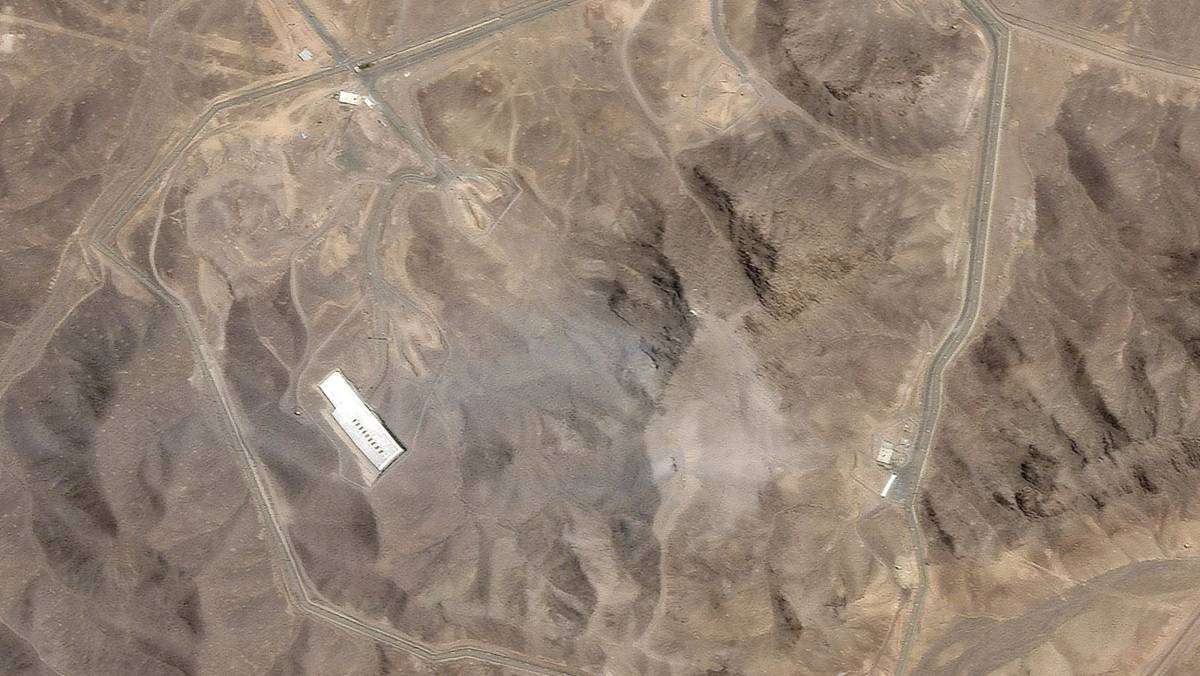
The airstrikes, carried out by the United States early Sunday, struck three major Iranian nuclear facilities located in Fordo, Natanz, and Isfahan. Satellite imagery analysed by the Associated Press revealed visible damage to the entrance tunnels at the underground Fordo nuclear facility.
Satellite images taken on Sunday and analyzed by The Associated Press shows damages to the mountains at the underground Fordo nuclear site after U.S. airstrikes targeted the facility. A previous version of the alert said the entryways had been damaged. https://t.co/quL4UoyNIM
— The Associated Press (@AP) June 22, 2025
Images taken by Planet Labs PBC show changes in the mountain terrain covering Fordo, with portions turned grey and altered contours, indicating the possible use of American bunker buster bombs. Plumes of light grey smoke were seen rising from the blast sites, although Iran has yet to release an official assessment of the damage.
The Atomic Energy Organization of Iran acknowledged that the sites had been attacked but insisted that its nuclear programme would not be halted. Both Iran and the IAEA confirmed there were no immediate signs of radioactive contamination following the strikes.
Following attacks on three nuclear sites in Iran - including Fordow - the IAEA can confirm that no increase in off-site radiation levels has been reported as of this time.
— IAEA - International Atomic Energy Agency ⚛️ (@iaeaorg) June 22, 2025
IAEA will provide further assessments on situation in Iran as more information becomes available.
US-Iran-Israel tensions
US President Donald Trump, in an address from the White House, claimed that Iran’s “key nuclear sites were completely and fully obliterated.” However, no independent confirmation of the total damage has been provided. The strikes have raised global concern about a potential full-scale regional conflict.
"ANY RETALIATION BY IRAN AGAINST THE UNITED STATES OF AMERICA WILL BE MET WITH FORCE FAR GREATER THAN WHAT WAS WITNESSED TONIGHT. THANK YOU! DONALD J. TRUMP, PRESIDENT OF THE UNITED STATES" pic.twitter.com/vhTb5uNuCB
— The White House (@WhiteHouse) June 22, 2025
Iranian officials condemned the attacks, accusing the United States of initiating “a dangerous war” in support of Israel. Tehran’s Foreign Ministry issued a strong response, stating that the Islamic Republic “reserves its right to resist with full force” and defend its sovereignty.
In retaliation, Iran’s Islamic Revolutionary Guard Corps launched 40 missiles at Israel. Among the projectiles were Khorramshahr-4 missiles, which can carry multiple warheads. The strikes resulted in more than 80 injuries in Israel, with damage reported in major cities including Tel Aviv. A high-rise building in the city had its entire façade blown off, while adjacent houses were left in ruins.
The United States conducted the strikes without Congressional approval, drawing criticism both domestically and internationally. President Trump warned of further attacks if Iran retaliated, declaring: “There will either be peace or there will be tragedy for Iran.”