

Dubai freezes private school fees for 2026-27 as Dh2.5bn incentives boost education sector
Sheikh Hamdan’s initiative aims to ease financial pressure on families
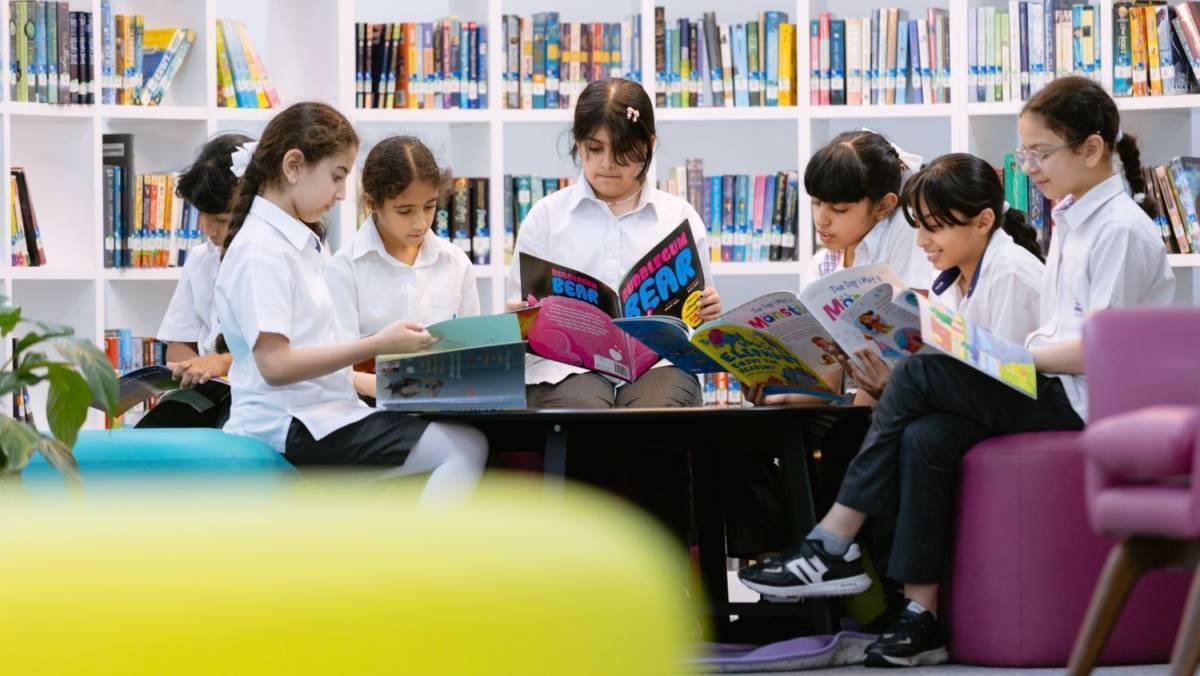
DUBAI – Under the directives of His Highness Sheikh Hamdan bin Mohammed bin Rashid Al Maktoum, Crown Prince of Dubai, Deputy Prime Minister and Minister of Defence, and Chairman of The Executive Council of Dubai, the Knowledge and Human Development Authority (KHDA) has confirmed that private school fees in Dubai will remain unchanged for the 2026-27 academic year.
The decision underscores the emirate’s continued focus on supporting families, ensuring affordability in education, and strengthening the long-term sustainability of its private schooling system.
The announcement comes as part of Dubai’s broader economic support framework, following approval of the second economic incentives package valued at Dh1.5 billion. This brings the total value of recently introduced incentives to Dh2.5 billion, reflecting a wide-ranging effort to reinforce economic stability across key sectors. The package includes 33 initiatives set to be implemented over a period ranging from three to 12 months, with education positioned as a central pillar of the support strategy.
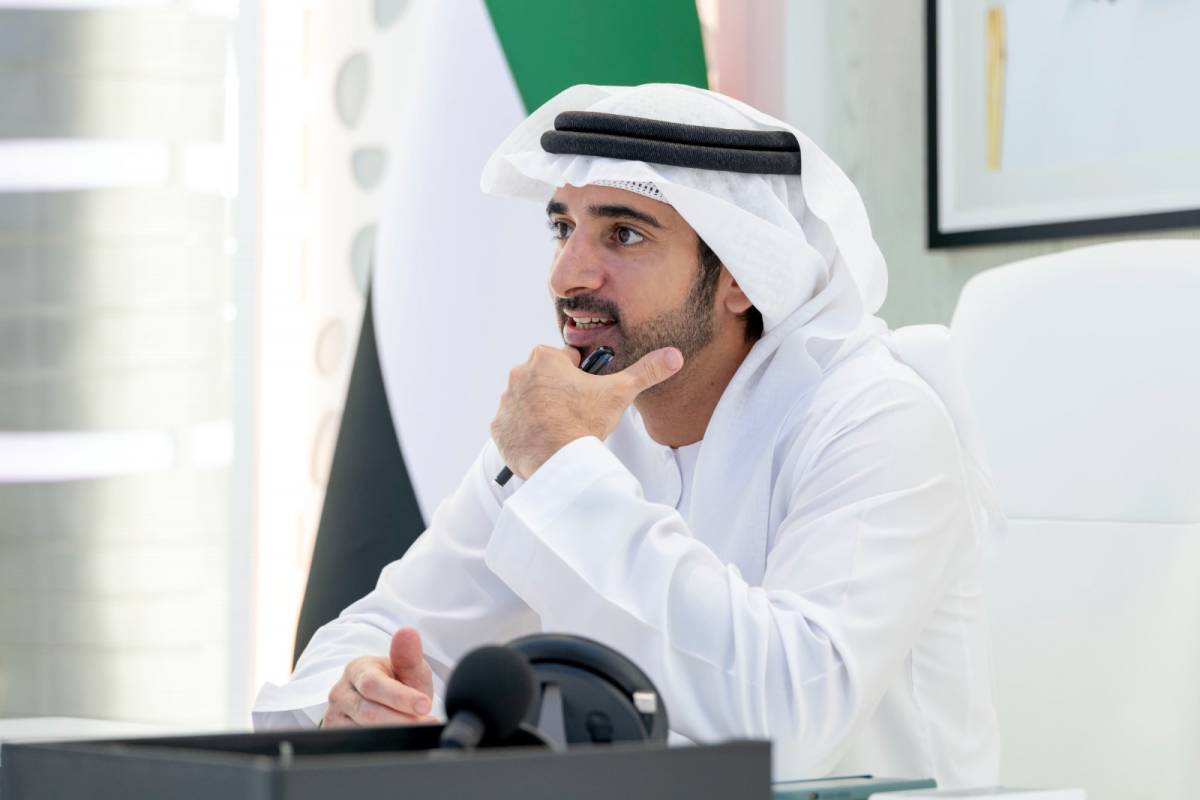
The measures are designed to ensure continuity, flexibility, and operational stability across private education providers while reducing financial pressures on institutions and families alike.
Under the latest measures, private educational institutions licensed by KHDA will benefit from deferrals or instalment-based payments for licence renewal fees, along with the postponement of fines. Early childhood centres will receive further relief, including exemptions from licence renewal fees, penalties, and Dubai Municipality market fees, easing operational costs for providers in the foundational education sector.
The Knowledge Fund Establishment has also introduced targeted support for affiliated institutions. Early childhood centres will benefit from partial rent exemptions and extended rent-free periods for those currently under construction, improving financial viability for new and existing facilities.
Broader institutional support measures include partial or full exemptions from guarantee insurance requirements related to cancelled contracts, temporary suspension of contractual penalty clauses, a freeze on scheduled rent increases at renewal, and deferred rental payments. These initiatives collectively aim to stabilise the operating environment for schools while maintaining high service standards across the sector.
Sector stability
Dubai’s private education framework continues to demonstrate resilience, with more than 95% of students currently attending on-site learning across private schools. This high level of physical attendance reflects strong operational readiness, consistent planning, and the ability of schools to adapt quickly to evolving circumstances while maintaining uninterrupted learning delivery.
The return to sustained on-site education also highlights growing confidence in the emirate’s schooling ecosystem. Feedback gathered through KHDA listening sessions indicates strong trust among school leaders in the system’s ability to evolve, raise standards, and maintain continuity in education delivery. Teachers participating in these sessions have also identified resilience as one of the most lasting attributes students will carry forward from this period, reflecting a culture of adaptability embedded across the education community.
Dubai’s private education sector currently offers families access to 17 different curricula, alongside a wide range of fee structures and geographical options across the emirate. This diversity enables parents to select educational pathways tailored to their children’s academic needs and personal development goals, further reinforcing choice as a defining feature of the system.
Learning expansion
To further support families, KHDA continues to provide advisory services through its Girnas – Educational Advisor platform. The service offers smart chat-based assistance and personalised consultations, particularly for Emirati families, helping them navigate school selection and identify suitable learning environments for their children.
According to Shamma Al Mansouri, Director of Licensing and Educational Services at KHDA, Dubai’s private school sector continues to demonstrate flexibility and resilience in adapting to evolving developments. She noted that this adaptability ensures continuity of learning within a regulatory framework designed to maintain both stability and competitiveness, reinforcing Dubai’s position as a global destination for quality education aligned with the objectives of the Education 33 Strategy.
She added that the emirate remains committed to balancing sector growth with family needs, ensuring sustainable expansion while maintaining accessibility. Around 9,000 new affordable school places were introduced during the current academic year, with schools in this category now serving approximately 230,000 students across Dubai.
Further expansion is underway, with an additional 7,500 affordable school places expected over the next two academic years through targeted incentive programmes for education providers. This reflects a structured approach to meeting rising demand while ensuring affordability remains central to planning.
KHDA is currently reviewing more than 30 applications for new private schools, following the opening of six new institutions in the current academic year. Student enrolment in Dubai’s private schools also recorded a 6% increase in 2025, signalling continued confidence in the quality and reliability of the education system, alongside its capacity to support the emirate’s broader demographic and economic growth trajectory.