

Pakistan sells 75pc stake in PIA for Rs135bn in landmark privatisation auction
Employees protected as new owners prepare operational overhaul
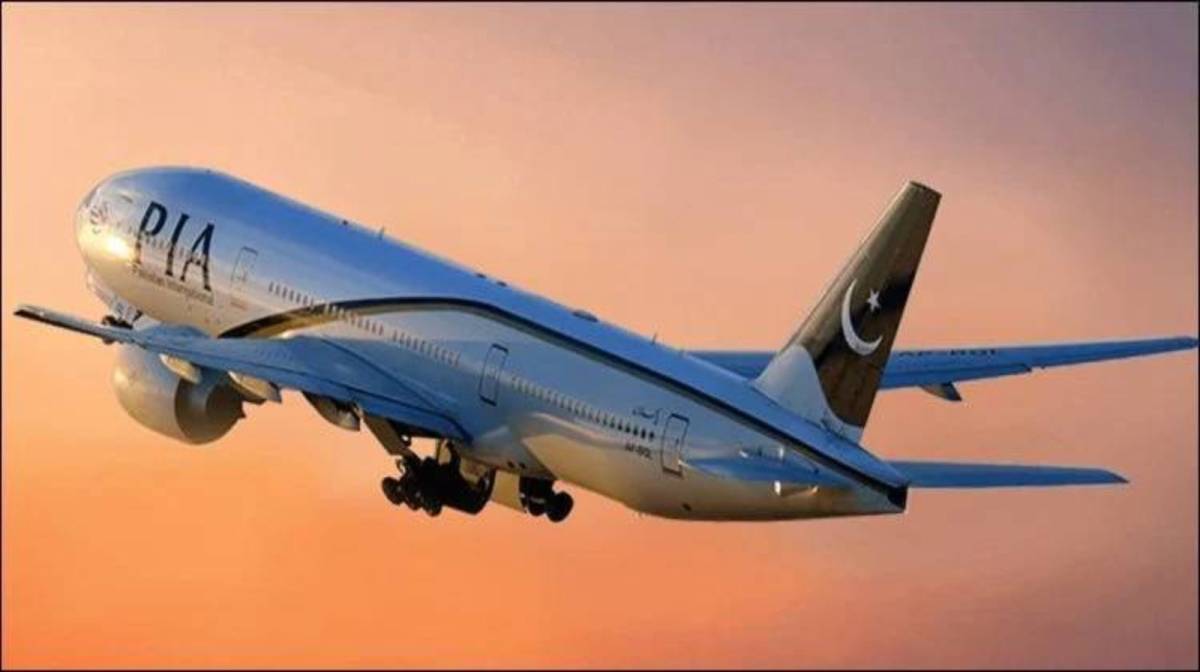
ISLAMABAD/DUBAI – Pakistan has concluded the long-awaited privatisation of its national carrier, Pakistan International Airlines, selling a 75 percent managing stake for Rs135 billion in a competitive, televised auction that drew strong domestic interest.
The transaction brings to a close years of delayed attempts to offload the loss-making airline and is being framed by officials as a key milestone in the country’s broader economic reform programme.
The government will retain a 25% stake, with the option for the successful bidder to acquire it at a later stage.
PIA auction
The winning bid was submitted by a consortium led by Arif Habib Corporation Limited, which emerged on top after successive rounds of open bidding. A rival group led by Lucky Cement Limited raised its offer close to the final figure, underscoring renewed investor confidence in the airline after a comprehensive restructuring. The government’s reference price for the stake was Rs100 billion, a threshold exceeded by more than one bidder, triggering the open auction phase.
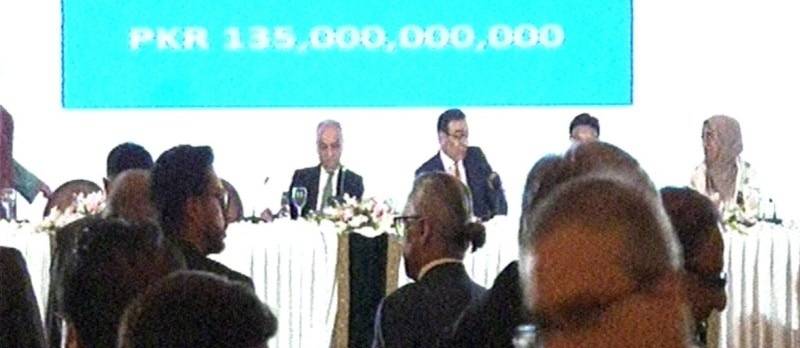
Three consortia had initially qualified to participate, though one withdrew before bid submission. Private airline Air Blue submitted a substantially lower bid, while the two leading groups drove the auction into a competitive second round. The process was conducted publicly, with bids opened live to reinforce transparency.
Deal structure
Under the approved structure, 92.5% of the proceeds from the 75% sale will be reinvested directly into PIA, while 7.5% will accrue to the government. The winning bidder is required to pay two-thirds of the amount within 90 days, with the remaining balance payable over the following year. The state’s retained 25% stake is designed to preserve strategic oversight while allowing private management to take operational control.
Officials have said the structure was deliberately crafted to attract long-term investors rather than maximise short-term fiscal gain. The airline’s business plan projects a doubling of the operational fleet within three to four years, supported by fresh capital and professional management.
Financial turnaround
PIA’s improved appeal to investors follows a significant clean-up of its balance sheet. The government assumed the bulk of the airline’s legacy debt, estimated at around Rs850 billion, shifting liabilities to a holding company and restoring positive equity. In its latest audited results, PIA reported an operational profit of Rs9.3 billion and a net profit of Rs26.2 billion for 2024, reversing a net loss of Rs75 billion a year earlier.
The turnaround was driven by cost rationalisation, workforce reductions, route optimisation and the restoration of profitable European services after the lifting of regulatory bans in the United Kingdom and European Union. Analysts note that the carrier’s first net profit in more than two decades was made possible by these structural interventions rather than organic growth alone.
Employees and assets
PIA currently operates 38 aircraft, of which 18 are active, and holds landing rights at 78 destinations worldwide. Around 6,500 employees remain on its payroll, down from more than 11,000 several years ago. As part of the privatisation framework, staff are guaranteed job security for 12 months, with salaries and benefits paid by the new owners. Pension liabilities and post-retirement benefits will continue to be handled by the holding company.
Valuable real estate assets, including the Roosevelt Hotel in New York and the Scribe property in Paris, are excluded from the transaction. The sale covers operational, cargo, catering and training assets only.
Pakistan International Airlines
Founded in 1955, Pakistan International Airlines was once regarded as one of Asia’s leading carriers, pioneering jet services in the region and serving as a training partner for several emerging airlines in the Middle East and Asia.
From the 1960s through the 1980s, PIA built a reputation for service quality and technical expertise, operating a modern fleet and an extensive international network. Prolonged state control, political interference and mounting financial losses in later decades eroded that standing, setting the stage for repeated but unsuccessful privatisation attempts until this year’s decisive sale.