

Inside Dubai’s 11km road upgrade transforming key city corridors
Travel times set to drop sharply on the busiest commuter routes
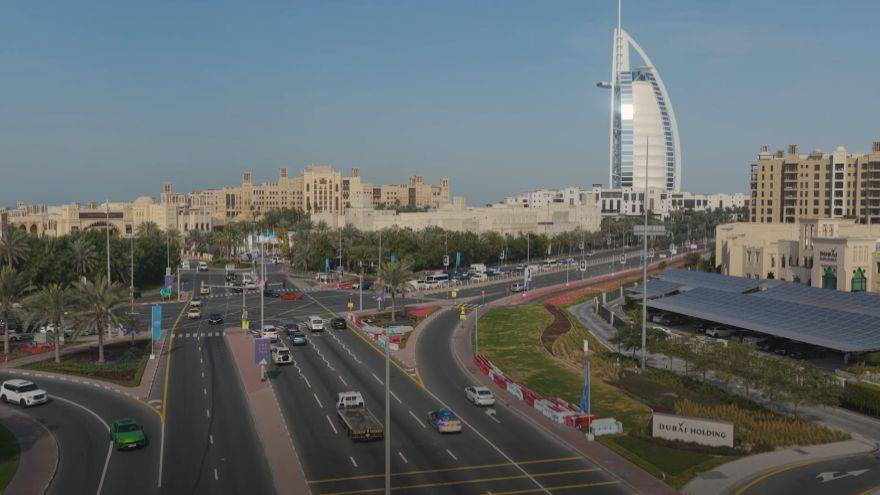
DUBAI – The Roads and Transport Authority (RTA) has awarded a major contract to develop Umm Suqeim Street, Al Wasl Road, Al Safa Street and a series of intersections along Jumeirah Street, marking a significant step in expanding Dubai’s road network.
The large-scale project forms part of a wider strategy to enhance traffic flow, increase capacity and support Dubai’s rapid urban growth.
The development includes the construction of bridges and tunnels stretching approximately 11,000 metres in total, alongside extensive at-grade road widening and intersection improvements. Once complete, the project is expected to significantly ease congestion across some of Dubai’s busiest corridors, while improving mobility for residents and visitors alike.
Authorities say the scheme aligns with long-term plans to accommodate population growth and urban expansion, while also enhancing the overall quality of life. In addition to road upgrades, the project introduces pedestrian walkways, cycling tracks and urban spaces designed to create a more connected and accessible city environment.
Network boost
The project spans several major routes, including Umm Suqeim Street from Jumeirah Street to Al Khail Road, Al Wasl Road from Umm Suqeim Street to 2nd December Street, and Al Safa Street between Sheikh Zayed Road and Al Wasl Road. It also includes the development of seven intersections along Jumeirah Street.
Upon completion, the capacity of Umm Suqeim Street will rise to 16,000 vehicles per hour in both directions, while Al Wasl and Al Safa streets will each accommodate up to 12,000 vehicles per hour in both directions. These upgrades are expected to deliver substantial improvements in traffic flow across the network.
The works extend beyond traditional road expansion by incorporating urban design elements. Dedicated pedestrian walkways and cycling tracks aim to provide safer and more accessible routes, while boulevard-style public plazas and landscaped spaces are set to enhance the visual character of the area.
Mattar Al Tayer, Director General and Chairman of the Board of Executive Directors of the RTA, said the project forms part of an integrated plan covering key districts including Jumeirah, Umm Suqeim, Al Wasl and Al Safa. These areas host a wide range of facilities, from beaches and hotels to residential neighbourhoods, schools and cultural venues, serving a population exceeding two million people.
He noted that developing transport infrastructure plays a central role in supporting economic activity and urban expansion, while improving connectivity and reducing travel times across the emirate.
Umm Suqeim
A major component of the project focuses on Umm Suqeim Street, which forms part of the wider Umm Suqeim–Al Qudra corridor. This corridor links Jumeirah Street to Emirates Road and extends further towards Al Qudra, serving several key residential and development zones.
The upgrade is designed to enhance connectivity between four major corridors: Sheikh Zayed Road, Al Khail Road, Sheikh Mohammed bin Zayed Road and Emirates Road. Once completed, journey time along the section between Jumeirah Street and Al Khail Road is expected to drop from 20 minutes to just six minutes.
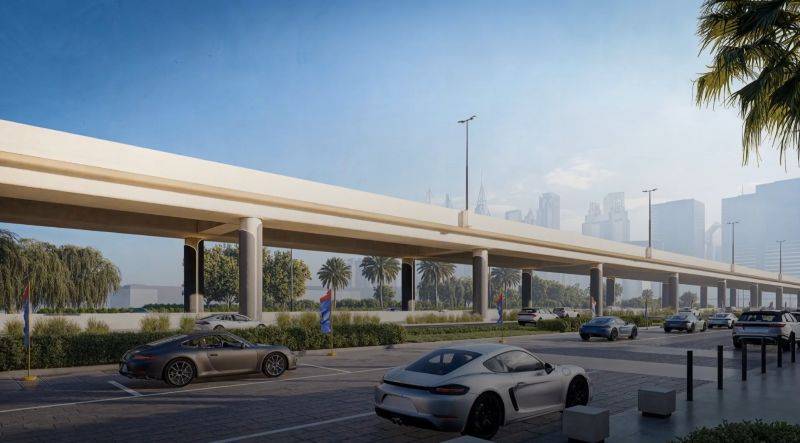
The project includes the development of six major intersections along Umm Suqeim Street, incorporating four bridges and two tunnels with a combined length of 4,100 metres. A new tunnel at the junction with Jumeirah Street will feature two lanes in each direction, complemented by a signal-controlled intersection at surface level.
Another tunnel at the intersection with Al Wasl Road will provide two lanes from Sheikh Zayed Road towards Jumeirah Street, while maintaining direct traffic flow towards Sheikh Zayed Road. At the Sheikh Zayed Road intersection, two bridges will be constructed to eliminate traffic overlap and streamline movement through the junction.
Further enhancements include the addition of an extra lane between First Al Khail Street and Al Asayel Street, increasing the total to five lanes in each direction. At Al Khail Road, new elevated links will connect traffic to Al Quoz Industrial Area and facilitate movement towards Deira.
Al Wasl
The development of Al Wasl Road covers a 15-kilometre stretch between Umm Suqeim Street and 2nd December Street. The project will widen the road from two to three lanes in each direction and upgrade seven intersections along the route.
These intersections include Al Thanya Street, Al Manara Street, Umm Al Sheif Street, Umm Amara Street, Al Urouba Street, Al Hudaiba Street and 2nd December Street. The works combine at-grade improvements with the construction of five tunnels extending 3,850 metres in total.
Travel time along Al Wasl Road is expected to be reduced by 50 per cent, while capacity will increase from 8,000 to 12,000 vehicles per hour in both directions.
Among the key features is a unidirectional tunnel at Al Manara Street with three lanes, designed to split into two routes connecting Sheikh Zayed Road to both Jumeirah Street and Umm Suqeim Street. This tunnel alone will handle up to 4,800 vehicles per hour.
Additional tunnels include a 650-metre structure at Umm Al Sheif Street with a capacity of 3,200 vehicles per hour, and a 605-metre tunnel at Umm Amara Street leading towards 2nd December Street. Another 565-metre tunnel at Al Urouba Street will accommodate traffic heading towards Jumeirah Street.
These improvements are designed to streamline traffic movement along one of Dubai’s key arterial routes, reducing congestion at intersections and improving overall journey efficiency.
Al Safa
The Al Safa Street development focuses on a 1,500-metre section between Sheikh Zayed Road and Al Wasl Road. The project includes the construction of two bridges and two tunnels with a combined length of 3,120 metres, alongside road widening and signal upgrades.
Once completed, travel time along Al Safa Street is expected to decrease from 12 minutes to three minutes, while capacity will double from 6,000 to 12,000 vehicles per hour in both directions.
The first bridge will serve traffic travelling from Al Wasl Road towards Sheikh Zayed Road and Financial Centre Street. It will extend 1,005 metres, feature four lanes and accommodate up to 6,400 vehicles per hour. The second bridge, extending 360 metres with two lanes, will cater to traffic from Al Satwa Street towards Sheikh Zayed Road.
The project also includes two tunnels. One will carry traffic from Sheikh Zayed Road and Financial Centre Street towards Al Wasl Road, extending 1,005 metres with a capacity of 3,200 vehicles per hour. The second tunnel, located at the intersection of Al Wasl Road and Al Safa Street, will extend 750 metres with two lanes in each direction and handle up to 6,400 vehicles per hour.
In addition to these structures, the road will be widened from three signal-controlled lanes to four lanes in each direction. Dedicated pedestrian and cycling paths will be upgraded, while urban landscaping and public spaces will be introduced.
The improvements are expected to enhance connectivity between major routes, including Sheikh Zayed Road and Financial Centre Street, while improving traffic flow towards Al Wasl Road.
Jumeirah links
The project also includes the enhancement of seven intersections along Jumeirah Street, covering key junctions such as Al Thanya Street, Al Manara Street, Umm Al Sheif Street, Al Urouba Street, 39B Street, Al Hudaiba Street and 2nd December Street.
These works focus on at-grade improvements designed to increase capacity, optimise traffic flow and reduce congestion along the corridor. The upgrades are expected to complement the broader network enhancements, ensuring smoother movement across interconnected routes.
Authorities emphasise that the project is part of a wider programme to modernise Dubai’s road infrastructure, integrating smart solutions and sustainable transport options. The inclusion of pedestrian pathways, cycling tracks and urban plazas reflects a shift towards more inclusive and multimodal transport planning.