

First stargazing event of 2026: Where to see supermoon and shooting stars in Dubai
A rare double spectacle to open UAE’s astronomical calendar next year
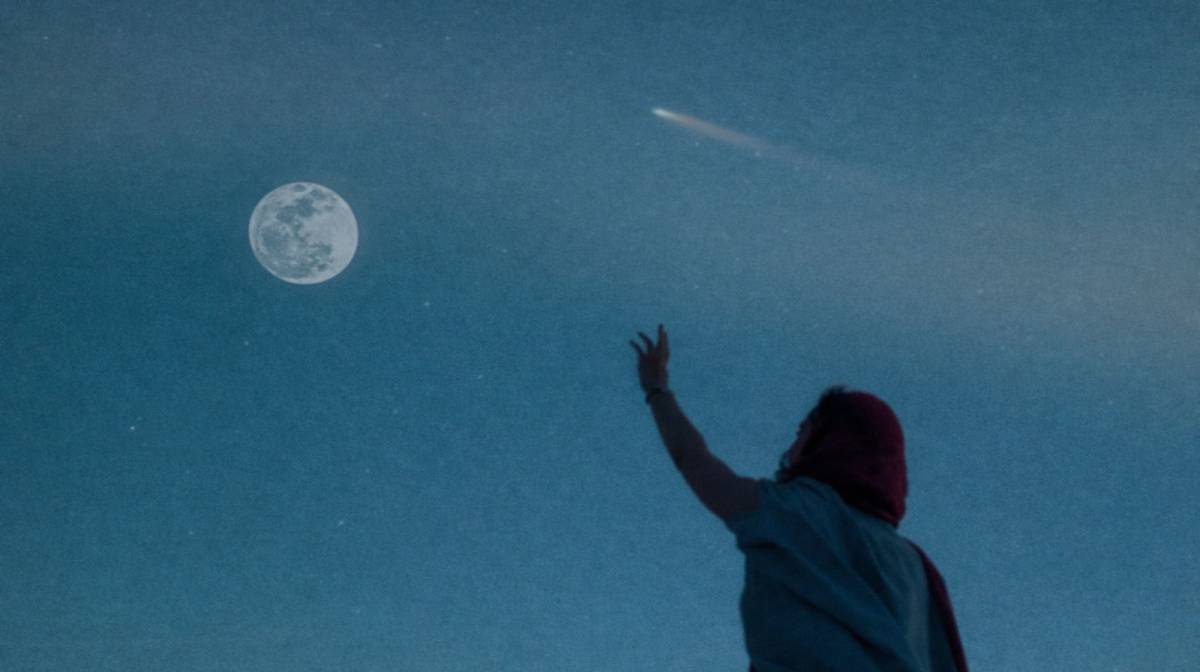
DUBAI – UAE’s night sky will deliver its first major celestial display of 2026 in the opening days of January, offering residents a rare opportunity to witness two standout astronomical events on the same night.
The Quadrantids meteor shower, considered one of the strongest annual meteor displays, is set to peak just as the January Wolf Supermoon rises over the desert.
This natural light show promises bright fireballs, shooting stars and an unusually large full moon. Clear winter skies and mild temperatures make early January one of the most favourable periods for stargazing in Dubai.
A rare January alignment
Quadrantids meteor shower: The Quadrantids meteor shower originates from a near-Earth object known as 2003 EH1, often described as a “rock comet”. As the object orbits the Sun, it sheds debris that forms a dense stream of particles. Each January, Earth passes through this trail, causing the fragments to burn up in the atmosphere and produce fast, bright streaks of light across the sky.
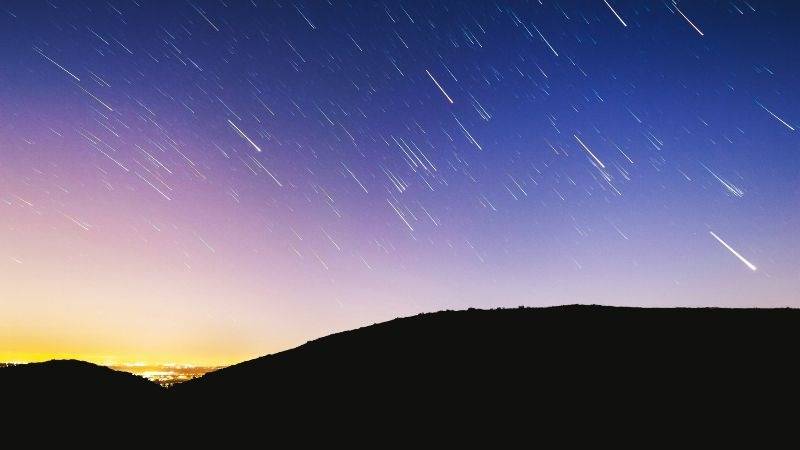
Unlike many other meteor showers, the Quadrantids have a sharply defined peak that lasts only a few hours. During ideal conditions, observers can see dozens of meteors per hour, many of them bright enough to be visible even in areas with some light pollution. Astronomers regularly rank the Quadrantids among the most impressive meteor showers of the year due to their intensity and frequency of fireballs.
Wolf Supermoon: Adding to the spectacle is the Wolf Supermoon, the first full moon of the year. A supermoon occurs when a full moon coincides with the Moon’s closest approach to Earth in its orbit, making it appear larger and brighter than average. The January full moon is traditionally known as the Wolf Moon, a name linked to historical accounts of wolves being heard howling during midwinter, as recorded by The Old Farmer’s Almanac.
When to look up
The Quadrantids meteor shower is expected to peak late on Saturday, January 3, and continue into the early hours of Sunday, January 4. Astronomers advise that the best viewing window begins around 11pm and extends until just before dawn, when the radiant point of the shower is highest in the sky.
Timing is particularly important with the Quadrantids, as their peak activity does not stretch across several nights. Missing the narrow window can mean significantly fewer visible meteors. While the bright moonlight from the supermoon may reduce the visibility of fainter streaks, the Quadrantids are known for producing luminous meteors that can cut through moonlit skies.
The Wolf Supermoon will rise on the evening of January 3 and remain visible throughout the night. At its peak, the Moon will appear noticeably brighter and larger, casting strong illumination across desert landscapes and open viewing areas.
Stargazing apps such as SkyView Lite can help observers locate constellations, planets and meteor activity by turning a smartphone into an interactive sky map. These apps allow users to point their device at the sky and identify celestial objects in real time, making them particularly useful for first-time stargazers.
Best viewing locations
For clear views of both the meteor shower and the supermoon, astronomers recommend heading away from city lights. Open desert areas such as Al Qudra are among the most popular stargazing locations in Dubai, offering wide horizons and minimal light pollution.
The Dubai Astronomy Group is hosting a dedicated stargazing event at Al Qudra Desert on the night of January 3, providing guided access to the celestial display. Attendees will have the opportunity to observe the Wolf Supermoon, Jupiter and other celestial objects through high-powered telescopes. The programme also includes expert-led explanations of the Quadrantids meteor shower and a short educational talk on the night’s astronomical highlights.
Tickets for the event are priced between Dh175 and Dh200 per person, with the session running from 11pm to 3am. Organisers advise participants to bring warm clothing, blankets or carpets, as well as snacks and water, to remain comfortable during extended periods outdoors.
For those choosing to stargaze independently, clear northern skies and patience are key. Lying back and allowing eyes to adjust to the darkness significantly improves the chances of spotting meteors, particularly during peak hours.