

Inside Ferrari Luce: 15 groundbreaking features of Maranello’s first all-electric Prancing Horse
Advanced software, control systems and torque innovation define driving behaviour
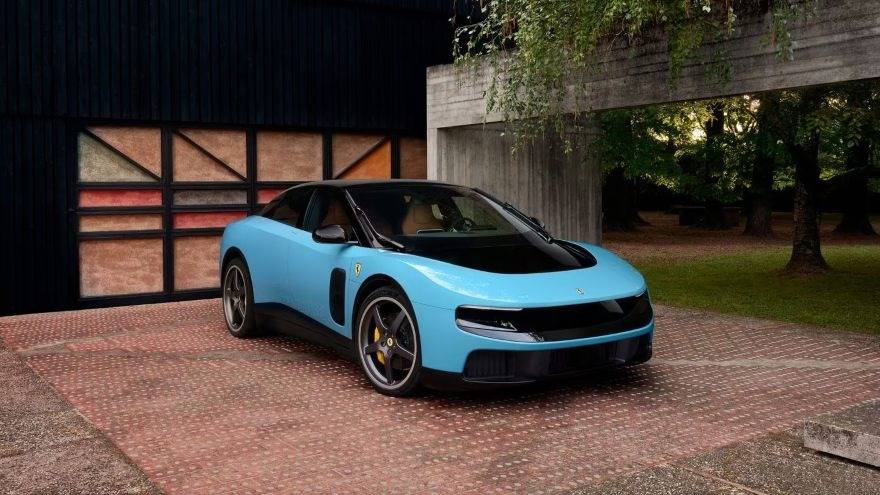
DUBAI – Ferrari has officially unveiled the Luce, marking a defining moment in the marque’s 79-year history as it enters the all-electric era.
Presented in Rome at the symbolic Vela di Calatrava – Città dello Sport, the model represents a complete rethinking of Ferrari’s performance architecture, blending electrification with the brand’s traditional focus on driver engagement, precision engineering and emotional driving experience.

Developed on a dedicated electric platform, the Ferrari Luce combines four independent electric motors, a 122 kWh battery, advanced chassis integration and an entirely new digital-mechanical cockpit.
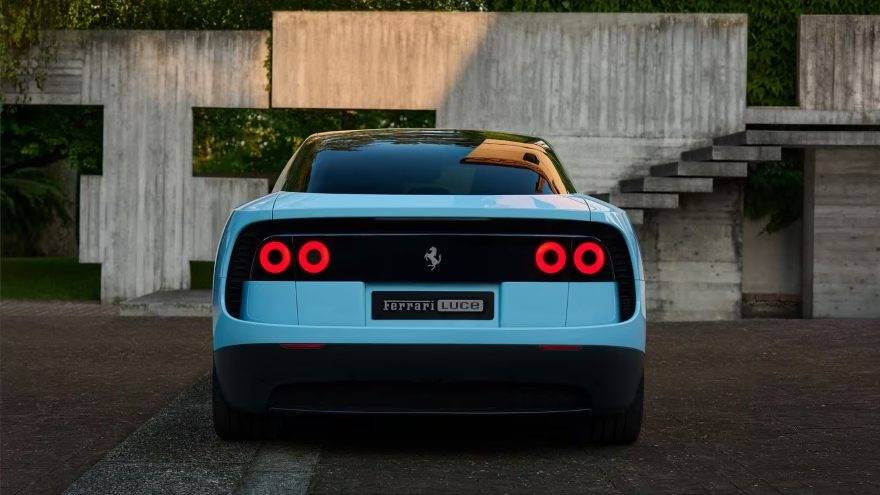
With 1050 cv, a top speed exceeding 310 km/h and acceleration from 0-100 km/h in 2.5 seconds, it sets a new benchmark for Ferrari performance in the electric age while introducing more than 60 new patents across its systems.
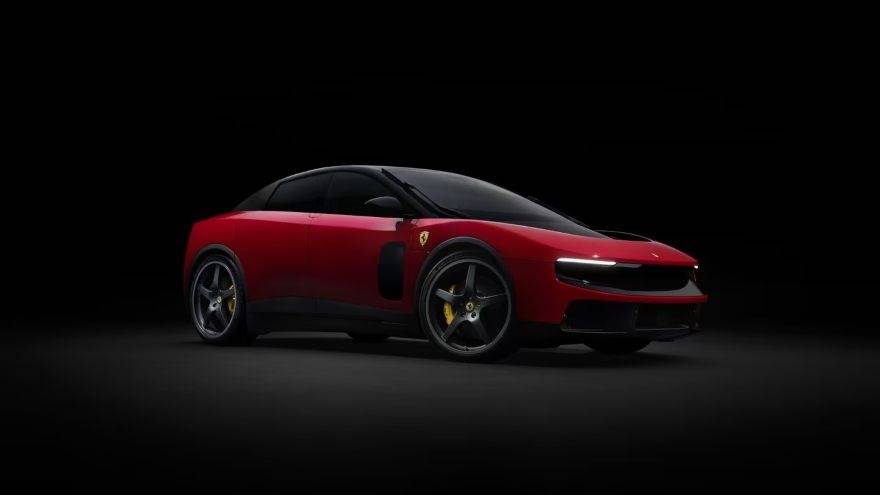
Dedicated all-electric Ferrari architecture
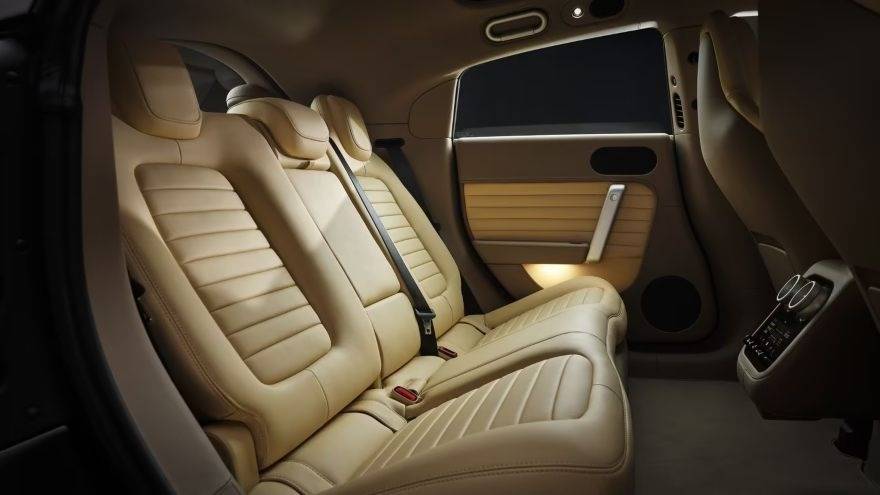
The Luce is built on a clean-sheet electric platform where chassis, body and battery form a single integrated system. The layout eliminates the central tunnel and positions the battery within the floor and rear seating area for optimal weight distribution and a lower centre of gravity.
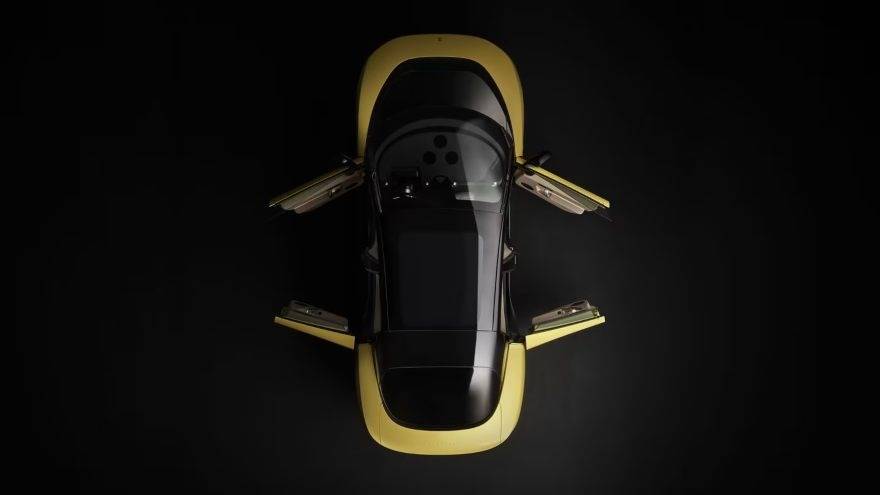
Four-motor independent drivetrain
Each wheel is powered by its own electric motor, enabling fully independent torque control across all four corners. The system produces 772 kW (1050 cv) and allows precise torque vectoring for stability, agility and traction.
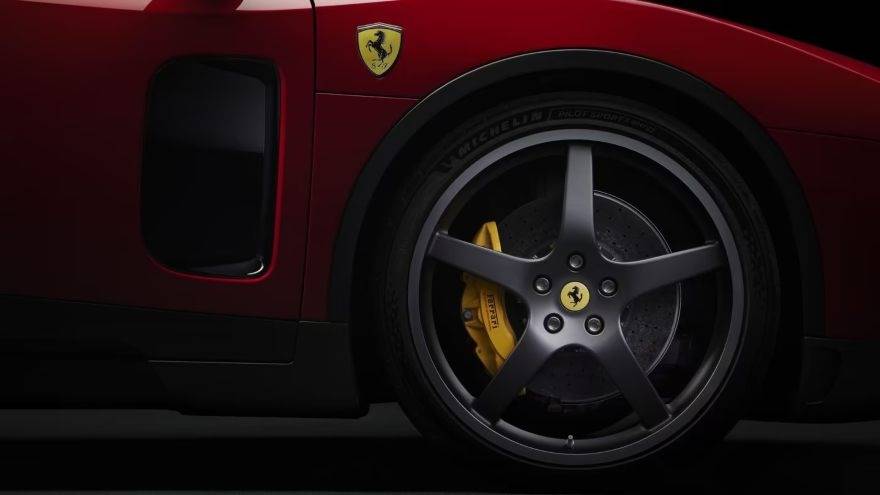
Extreme performance figures
The Ferrari Luce accelerates from 0–100 km/h in 2.5 seconds and 0–200 km/h in 6.8 seconds. It reaches a maximum speed of over 310 km/h, delivering supercar-level performance despite full electrification.
800V 122 kWh high-performance battery
A 210-cell, 15-module battery pack provides 122 kWh of energy capacity. Built entirely in Maranello, it supports fast charging up to 350 kW and achieves high energy density while contributing to structural rigidity.
Structural integration of battery and chassis
The battery is not just a power source but a structural component, contributing 20% of bending rigidity and 40% of torsional rigidity. This integration increases stiffness while reducing overall system weight by around 10% versus segment benchmarks.
Lightweight recycled aluminium construction
The chassis and body use hollow castings, extrusions and aluminium sheets, with no steel used. Extensive use of recycled aluminium reduces CO₂e emissions during production while maintaining Ferrari-level structural strength.
Advanced aerodynamic design
Aerodynamics were developed over five years with 6000 CFD simulations and extensive wind tunnel testing. A suspended front wing, floating rear wing and smooth continuous surfaces achieve the lowest drag coefficient in Ferrari road car history.
Active aerodynamic and cooling systems
Active grilles manage airflow through radiators and reduce drag when cooling demand is low. At speed, the front end can lower by up to 10 mm to improve efficiency and stability.
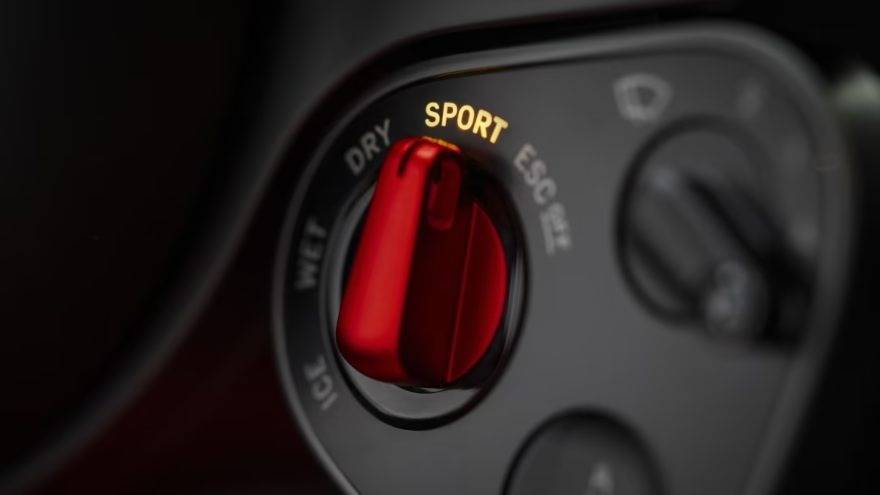
Side Slip Control X dynamics system
SSC X integrates multiple control systems including ASC 3.0, ABS Evo, Ferrari Dynamic Enhancer+ and Virtual Short Wheelbase 3.0. It governs stability, grip and responsiveness in real time.
Advanced torque vectoring systems
The FLOW system manages torque across both axles to optimise corner entry and exit balance, while virtual differential logic ensures straight-line stability and predictable high-speed behaviour.
eTrac traction intelligence
Derived from Ferrari’s motorsport systems, eTrac provides wheel-by-wheel torque correction. Each motor is controlled independently, ensuring maximum grip even on low-traction surfaces.
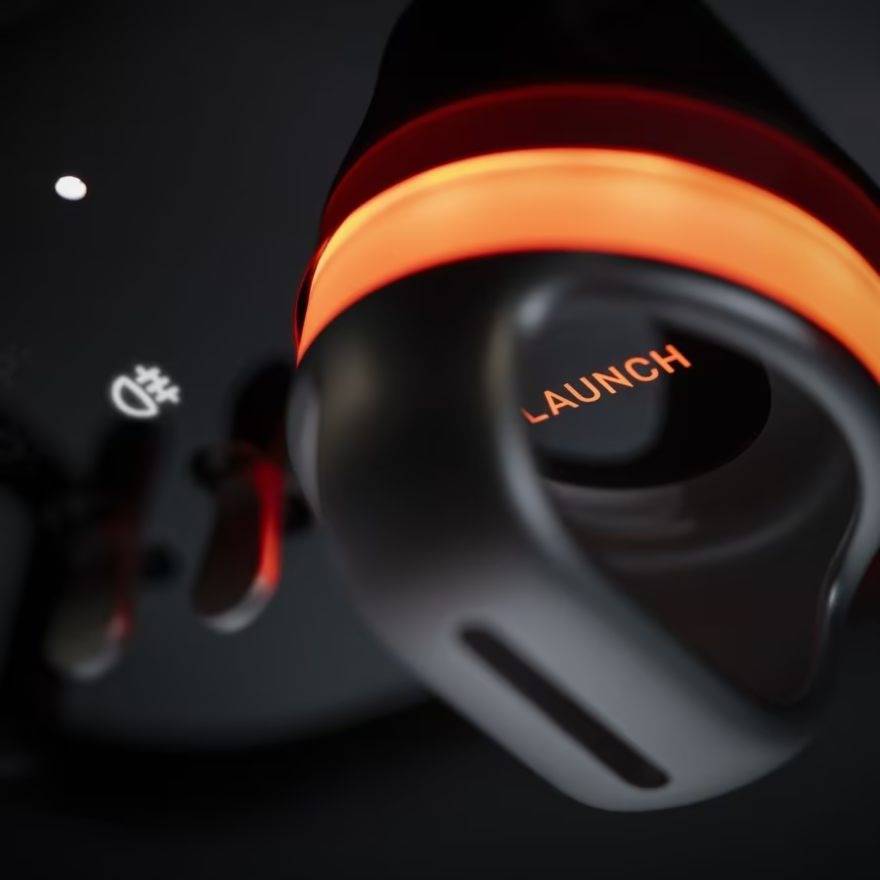
Torque Shift Engagement system
Instead of traditional gear shifts, Ferrari introduces Torque Shift Engagement, offering five power levels and five regenerative braking levels via steering wheel paddles. This creates a continuous torque-based driving experience.
Digital-mechanical cockpit design
The interior blends physical controls with digital systems. The steering wheel is made from recycled aluminium and integrates Manettino and e-Manettino controls for performance and energy management.
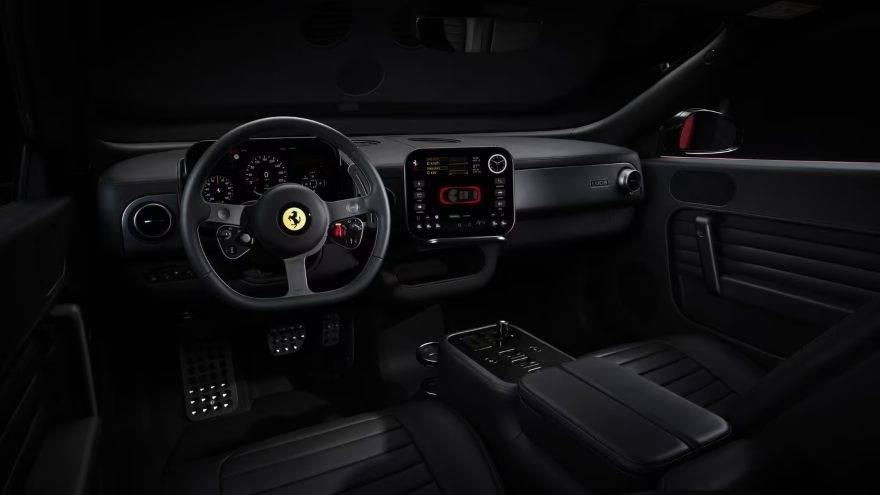
OLED and multi-display interface system
Three main display zones are integrated into the cockpit, developed with Samsung Display. These include binnacle, central and rear screens, combining mechanical-style instrumentation with high-resolution OLED interfaces.
Authentic electric sound system
Ferrari rejects artificial sound synthesis, instead amplifying real mechanical vibrations from the electric axles. A patented system processes these signals in real time to create a functional and evolving acoustic experience.