

UAE announces exit from OPEC and OPEC+ in major energy policy shift
Gulf nation focuses on flexible, market-driven energy investment approach
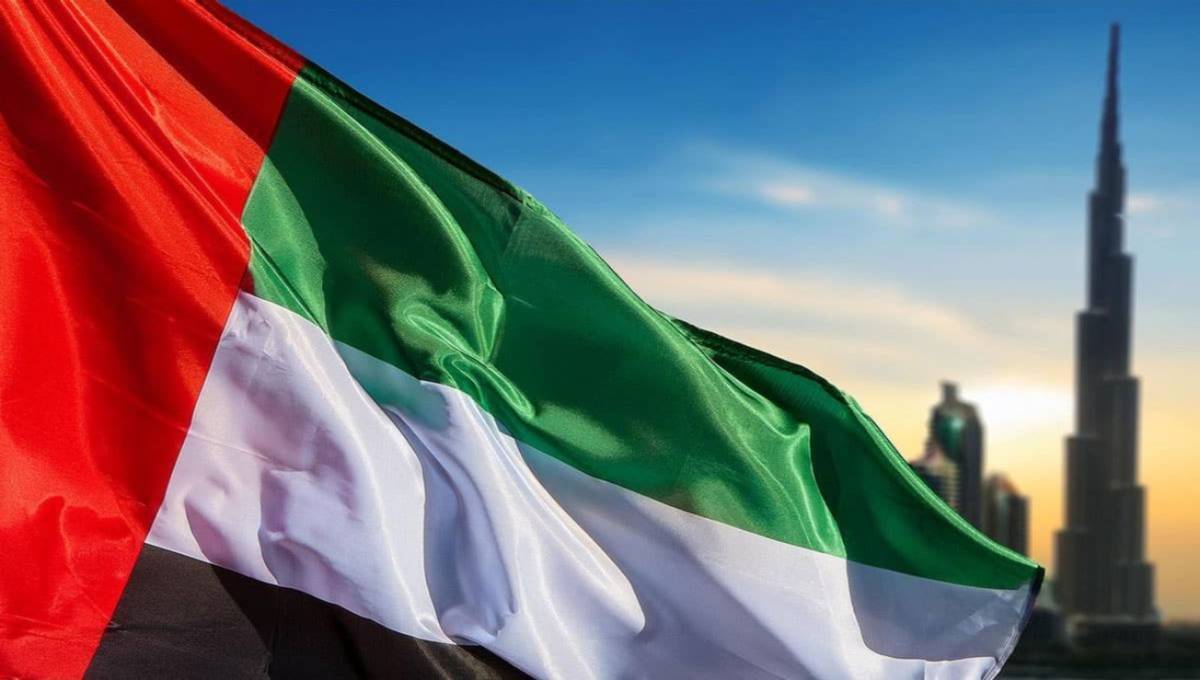
ABU DHABI – The United Arab Emirates (UAE) has announced its decision to withdraw from the Organisation of the Petroleum Exporting Countries (OPEC and OPEC+), with the exit scheduled to take effect on 1st May 2026.
The move is being presented as part of a long-term strategic and economic recalibration, reflecting the country’s evolving energy profile and growing investment in domestic production capacity. Authorities stated that the decision aligns with national interests and the UAE’s ambition to play a more flexible role in global energy markets.
Officials indicated that the policy shift follows a comprehensive review of current and future production capacity, alongside an assessment of market conditions and global energy demand trends. While the UAE acknowledged its decades-long role within OPEC structures, it emphasised that changing dynamics in global supply, consumption patterns, and energy transition strategies required a revised approach.
The announcement also underscored that the UAE remains committed to contributing responsibly to market stability, even outside the OPEC framework. It highlighted that the country will continue to engage with international partners and maintain a production strategy aligned with demand and long-term sustainability considerations.
Energy shift
The UAE’s decision marks a significant transition in its energy governance, as it seeks greater autonomy in shaping production policy. Officials stressed that this change will allow the country to respond more efficiently to fluctuations in global demand and supply conditions.
The UAE, which joined OPEC in 1967 through Abu Dhabi prior to the formation of the federation in 1971, has historically played an active role in stabilising oil markets. Over the decades, it has contributed to coordinated production strategies aimed at balancing global supply. However, the government now believes that a more independent framework will better support its economic diversification goals and long-term investment strategy in both hydrocarbons and low-carbon energy sectors.
Market outlook
Despite geopolitical tensions and supply uncertainties in regions such as the Arabian Gulf and the Strait of Hormuz, the UAE stated that global energy demand is expected to continue growing over the medium to long term. It emphasised that stable markets depend on flexible and reliable supply mechanisms capable of adjusting to evolving consumption trends.
The country also reaffirmed its position as a producer of competitively priced and lower-carbon barrels, which it believes will remain critical in supporting both global economic growth and emissions reduction targets. Following its departure from OPEC, the UAE intends to introduce additional production to the market in a gradual and controlled manner, ensuring alignment with prevailing demand conditions.
Global cooperation
The UAE reiterated that its exit does not signal a withdrawal from global cooperation in energy markets. Instead, it described the move as an adjustment that enhances its ability to operate with greater responsiveness while continuing to support stability in international supply chains.
Officials noted that the country will maintain engagement with both producing and consuming nations, reinforcing its role as a reliable energy partner. Investments across oil, gas, renewables, and low-carbon technologies will continue, supporting broader efforts toward energy system transformation and economic resilience.
The UAE also expressed appreciation for its long-standing cooperation within OPEC and OPEC+, stating that its decades of participation contributed to collective market stability. Moving forward, it indicated that its strategy will prioritise national economic objectives while continuing to support balanced and predictable global energy markets.