

GCC nations lead entertainment shift, say regional content creators
UAE and Saudi top list for tourism and entertainment transformation
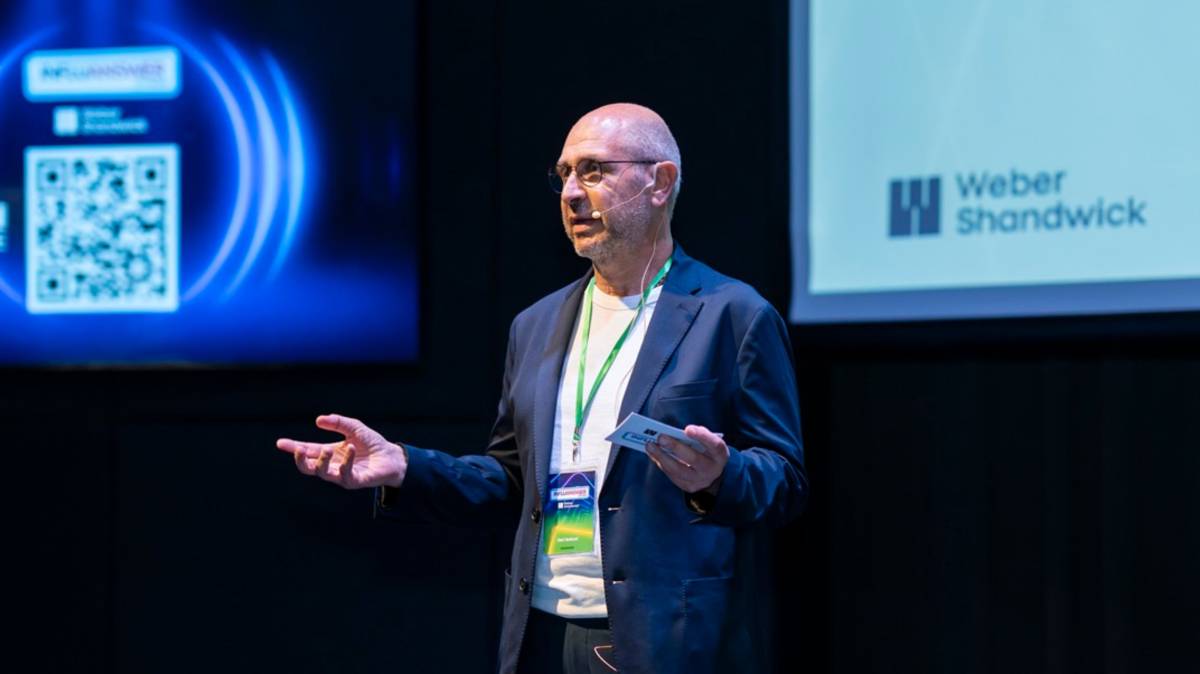
DUBAI: The GCC is at the forefront of positive transformation in tourism and entertainment, according to the second edition of InfluAnswer Arabia, a report by Weber Shandwick MENAT that examines trends in influencer marketing across the MENA region.
Based on direct feedback from content creators, the study sheds light on shifting priorities, platform diversification, and the growing role of authenticity in brand collaborations.
The report reveals that three-quarters (77%) of MENA-based creators believe GCC countries are driving change in tourism and entertainment. Within this group, the UAE leads the perception ranking with 45%, followed by Saudi Arabia at 26% and Lebanon at 10%. This perspective echoes the growing presence of high-profile events, creative infrastructure, and destination branding efforts emerging across the Gulf.
Brand values matter
One of the most significant shifts recorded is the rise of brand reputation as a key criterion when choosing collaborators. While personal belief in a brand remains the top driver, reputation has now entered the top three for the first time – surpassing even financial compensation. This indicates a deeper scrutiny among creators when associating with brands, with values and public image taking precedence over monetary offers.
Events are also expected to go beyond standard formats. A notable 63% of respondents said that VIP experiences were important, up from 51% last year. Yet, the most important motivator remains the connection with the brand itself – highlighted by a jump from 66% in 2023 to 80% in 2024.
AI and innovation
MENA creators are rapidly embracing artificial intelligence. Almost half (49%) now have a positive outlook on AI tools, marking a significant jump from the previous year’s 29%. The top perceived benefit is access to advanced tools and analytics, cited by 63% of respondents. These tools help automate repetitive tasks and enable creators to focus more on storytelling and creativity.
Still, creators expressed concern about AI’s potential misuse, particularly deepfakes. Ranked as the third most concerning aspect, 41% flagged the issue as a notable challenge on the horizon.
Content and community
The evolution of content formats is evident. While short-form videos still dominate, longer content – especially podcasts – is gaining traction. Nearly half (48%) of creators said they are considering launching or expanding into podcasting, and 11% already consider it a core part of their strategy.
Six in ten MENA creators reported that they posted more content in the past year about personal causes, reinforcing the importance of purpose-driven messaging. From mental health to sustainability and social justice, creators are aligning their voices with issues that matter to their audiences and themselves.
Regional shift in strategy
The findings were unveiled during a panel discussion that included leaders from TikTok, Snap, and Boehringer Ingelheim, along with prominent creators such as Abdullah Raesi, Emkwan, and Safa Srour. These discussions echoed the report’s main themes – authenticity, brand purpose, and meaningful engagement – as crucial drivers of effective creator-brand partnerships.
Ziad Hasbani, Regional CEO at Weber Shandwick MENAT, said the region’s influencer landscape is becoming more confident and strategic. “This year's report gives brands a clearer lens into what creators value, and how to build partnerships that are authentic, impactful, effective, and built to last,” he noted.

The sentiment was reinforced by Ghaleb Zeidan, the agency’s Regional Managing Director, who pointed to the blending of content and community as a key trend. “The best collaborations aren’t just transactional; they're built on shared experiences, mutual respect, and brand purpose,” he said.