

UAE consumers go digital: Eight in 10 payments now made without cash
Everyday spending sees strongest move towards cards and smartphones
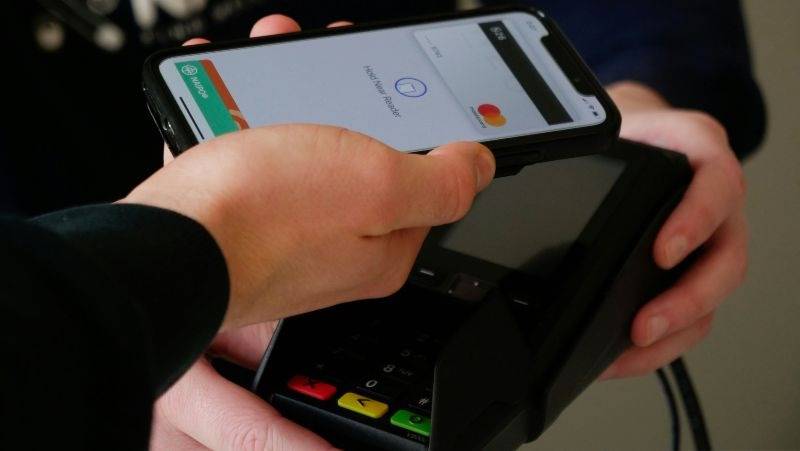
DUBAI – Payment habits in the United Arab Emirates (UAE) are continuing to change at pace, with digital methods increasingly replacing physical money in everyday life.
New findings from Visa’s third edition of the Where Cash Hides report show a clear shift towards cards and mobile wallets, as consumers prioritise speed, convenience and security. The data indicates that cash is steadily losing ground, even in categories where it was once dominant.
According to the report, 68% of UAE consumers are now largely non-cash users, relying primarily on payment cards or mobile devices for most transactions. This marks a seven percentage point increase compared with last year, underlining the accelerating move away from cash-based payments. Overall, eight in ten payments, or 80%, are now made digitally across the country.
Digital shift
Mobile payments have emerged as a major driver of this transformation, accounting for 21% of all transactions and ranking among the most preferred payment methods. Debit cards and mobile wallets dominate daily spending on groceries, dining and transport, while credit cards are more commonly used for planned or higher-value purchases. The report highlights that only 16% of consumers now use cash for everyday purchases, a sharp fall from 25% recorded last year.
This decline is visible across several traditionally cash-heavy categories. Cash usage has dropped by 19% in local markets, by 18% for taxi journeys and by 12% when paying bills. These reductions reflect broader consumer confidence in digital payment infrastructure and growing acceptance among merchants and service providers.
Cash holdouts
Despite the overall trend, cash continues to play a role in specific use cases. Tips remain the single largest use of cash in the UAE, with 58% of consumers still paying tips in physical money. Cash is also commonly used for international money transfers via exchange houses, cited by 25% of respondents, and for property rent payments, where 15% continue to rely on cash.
Peer-to-peer payments present a mixed picture. While cash is still widely used, digital adoption in this category is rising steadily. Digital P2P payments increased by five percentage points this year, reaching 35%, suggesting a gradual shift even in personal transactions that have historically favoured cash.
Consumer drivers
Visa’s research points to convenience, security and added value as the main reasons behind the growing reliance on digital payments. Compared to cash, debit and credit cards reduce the risks associated with carrying physical money, allow seamless online and in-store transactions, and provide instant records that help consumers track spending. Mobile payments further enhance security through tokenisation, ensuring actual card details are never shared during transactions.
Credit cards also offer rewards programmes, cashback and travel or lifestyle benefits, features that many consumers now expect both at home and when travelling abroad.
Commenting on the findings, Salima Gutieva, Visa’s Vice President and Country Manager for the UAE, said the data reflects a clear evolution in consumer behaviour. She noted that while cash remains present in certain categories, these areas represent opportunities to help consumers transition to digital options that deliver greater ease, security and control over spending.
Visa operates across more than 200 countries and territories, facilitating digital payments between consumers, businesses, financial institutions and governments, as the role of cash continues to diminish in everyday transactions across the UAE.