

Oman completes full takeover of SalamAir while preserving dual-airline strategy
Budget carrier continues growth with strong regional network
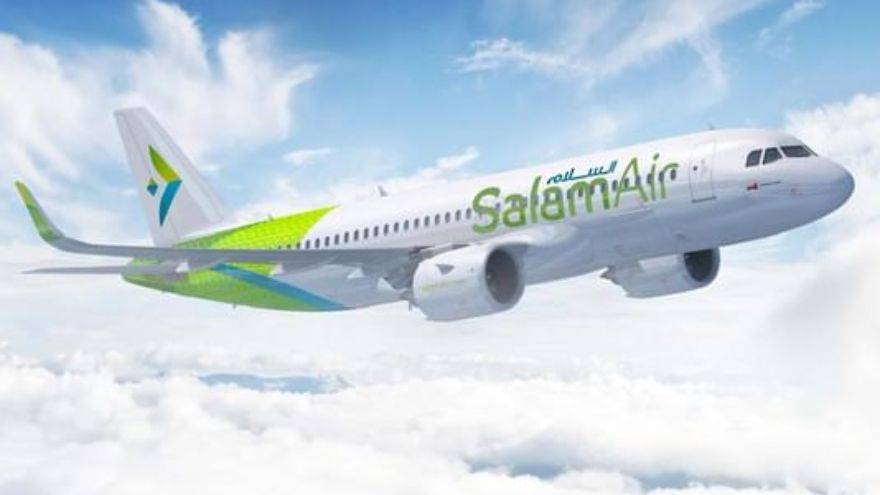
DUBAI – The Government of the Sultanate of Oman has announced the completion of its full acquisition of SalamAir, marking a significant development in the country’s aviation sector.
Authorities confirmed that both SalamAir and Oman Air will continue to operate as fully independent brands, retaining their fleets, services and operational identities.
The move reflects a broader strategy to strengthen national aviation capabilities while maintaining distinct service offerings across different travel segments. SalamAir, established as Oman’s first low-cost airline, will continue to serve budget-conscious travellers, while Oman Air will focus on full-service operations.
Dual strategy
Eng. Said bin Hamoud Al Maawali, Minister of Transport, Communications and Information Technology, stated that the approach is designed to minimise overlap between the two airlines’ destination networks. By reducing duplication, the government aims to ensure more efficient utilisation of aircraft and resources.
"الطيران العُماني" و"طيران السلام".. تناغمٌ وتكامل؛ من أجل طيرانٍ أكثر تكاملًا، وسعةٍ تشغيليةٍ أوسع، وسياحةٍ مستدامة.#التواصل_الحكومي pic.twitter.com/gclbtONZOk
— التواصل الحكومي (@Oman_GC) March 26, 2026
The strategy also seeks to expand overall air connectivity within Oman and across international markets. According to the minister, travellers will benefit from a wider range of options spanning two distinct economic categories, enhancing flexibility in travel choices.
SalamAir currently operates as a low-cost carrier with a growing footprint across the Middle East, South Asia, Africa and parts of Europe. Its network spans more than 40 destinations, including key routes to the UAE, Saudi Arabia, Pakistan, India, Turkey and Thailand, alongside domestic services such as Muscat to Salalah.
Fleet & growth
Founded in 2016, SalamAir launched its first flight in January 2017 and has since expanded rapidly. The airline operates a modern fleet of approximately 15 Airbus aircraft, including A320neo and A321neo models configured for short- and medium-haul routes.
The carrier transported more than 3.4 million passengers in 2025 and operates over 22,000 flights annually, underlining its position as a key regional low-cost airline. Its bright green aircraft livery has become a recognisable feature across airports in the region.
SalamAir’s business model focuses on offering competitive base fares, with optional paid services such as baggage, meals and seat selection. This approach aligns with global low-cost carrier strategies and has supported its steady expansion over the past decade.
Officials indicated that the acquisition is expected to strengthen the financial performance of both airlines, as well as associated ground service companies. Improvements in cost structures and revenue quality are central to the transformation, with an emphasis on long-term sustainability.
The minister noted that the restructuring would enhance operational efficiency while supporting broader economic objectives, including tourism growth and increased connectivity. The integration is also aligned with Oman’s Vision 2040, which prioritises diversification and infrastructure development.
Despite the acquisition, SalamAir will continue to operate independently, maintaining its brand identity and market positioning. Existing partnerships, including its codeshare arrangement with Oman Air, are expected to complement the dual-airline strategy.
Recent operational adjustments have included temporary route suspensions to certain destinations due to regional conditions, alongside the introduction and resumption of services such as Duqm. These developments reflect ongoing network optimisation efforts as the airline adapts to market dynamics.