

Dubai gold eases by Dh8 amid global sell-off and strong dollar pressure
Silver markets weaken as precious metals face global selling pressure
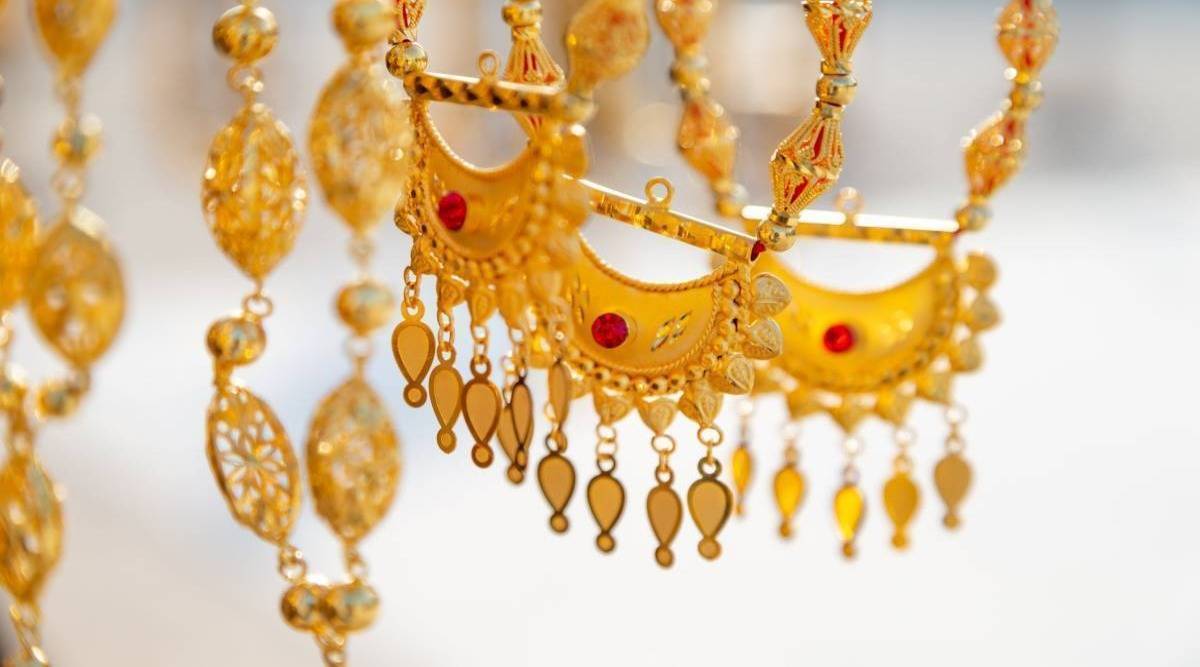
DUBAI – Dubai gold rates remain closely watched by shoppers, investors and jewellery buyers as the emirate’s gold market responds to global bullion movements and currency trends.
Known as one of the world’s leading gold trading hubs, Dubai updates jewellery prices based on international market fluctuations, with daily rates influencing retail purchases across the city. The latest figures from the Dubai Jewellery Group reflect changes in both local pricing and wider global factors shaping the precious metals market.
Dubai gold rates
According to the Dubai Jewellery Group’s suggested retail gold jewellery prices for Tuesday, June 30, 24K gold was priced at Dh480.25 per gram, while 22K gold stood at Dh444.75 per gram. The price for 21K gold reached Dh426.50 per gram, while 18K gold was listed at Dh365.50 per gram and 14K gold at Dh285 per gram.
Compared with Monday’s rates, gold prices recorded a decline across all categories. The 24K rate dropped from Dh488 per gram, while 22K moved down from Dh452 per gram. Meanwhile, 21K gold decreased from Dh433.25 per gram, 18K slipped from Dh371.50 per gram, and 14K declined from Dh289.75 per gram.
Global trends
International gold prices also came under pressure on Tuesday, with spot gold falling more than 1 per cent to $3,975.04 per ounce, according to market data. The metal was heading towards its biggest monthly decline since October 2008, with prices down around 12.4 per cent during June.
Gold has faced pressure from expectations of tighter monetary policy in the United States, as investors assess the possibility of further Federal Reserve interest rate increases to control inflation. Higher interest rates typically reduce demand for non-yielding assets such as gold, while a stronger US dollar makes dollar-priced bullion more expensive for buyers using other currencies.
The dollar was on track for a second consecutive monthly gain, adding further pressure on gold markets. Investors are also awaiting upcoming US employment data, including private-sector and non-farm payroll figures, for additional signals about the Federal Reserve’s future decisions.
Geopolitical developments involving Iran, the United States and tensions around the Strait of Hormuz have also influenced commodity markets. Earlier concerns over conflict in the region pushed energy prices higher, increasing inflation worries and affecting expectations around interest rates.
Oil prices were meanwhile heading towards their sharpest quarterly decline since 2020 as markets monitored potential developments from US-Iran discussions in Doha. Any changes around regional stability, energy supply routes or diplomatic developments remain important factors for global commodity sentiment.
Other precious metals
Other precious metals also experienced pressure. Silver declined 1.6 per cent to $57.35 per ounce and was heading towards its sharpest monthly loss since September 2011. The metal, which has both industrial and investment demand, has tracked the broader weakness across bullion markets.
Platinum fell 0.5 per cent to $1,566.90 per ounce, while palladium gained 0.5 per cent to $1,219.55 per ounce. All three metals were still on course for monthly and quarterly declines as investors continued to assess interest rate expectations, currency movements and global economic conditions.