

Dubai and Abu Dhabi ranked among world’s strongest future-ready cities
Global Cities Resilience Index spotlights UAE’s strength in sustainability and innovation
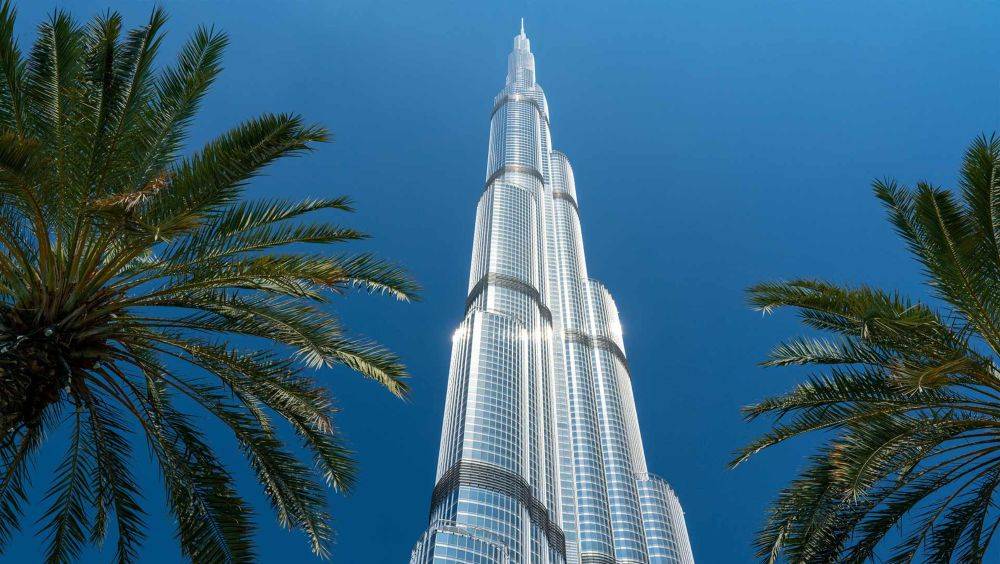
DUBAI – The United Arab Emirates (UAE) has strengthened its global standing in sustainable urban development, with Dubai and Abu Dhabi both ranked among the top 15 most resilient cities in the world.
According to the inaugural Global Cities Resilience Index (GCRI) by Kearney and the Future Investment Initiative (FII) Institute, Dubai placed fourth globally, following London, Amsterdam, and New York, while Abu Dhabi secured the 13th position.
This recognition reflects the UAE’s growing influence in sustainable infrastructure, governance, and institutional strength. The findings also mark the Gulf region’s expanding role in setting new benchmarks for resilience, innovation, and long-term city readiness.
Dubai's urban strength
Dubai’s top-five position reflects its emergence as a global reference point for innovation and adaptability. The city’s advanced infrastructure, robust governance, and strong social and financial foundations were identified as key contributors to its performance.
The report also highlights Dubai’s success in combining smart urban planning with technology-driven policy frameworks. These strengths have helped position the city as a model for emerging economies seeking to balance growth with resilience.
Abu Dhabi’s momentum
Abu Dhabi’s 13th-place ranking reaffirms its commitment to long-term sustainable growth and economic diversification. The UAE capital’s focus on sustainable finance, investment in human capital, and institutional governance continues to build a foundation for future resilience.
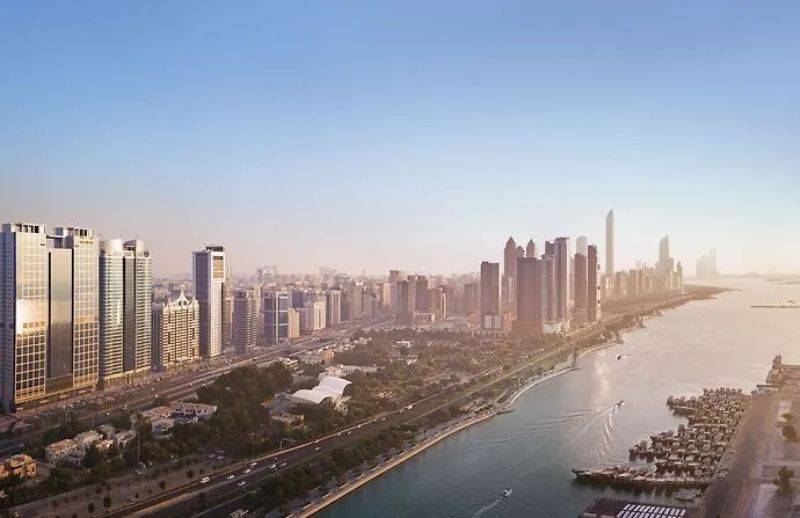
Earlier this year, Abu Dhabi ranked ninth globally for green spaces and natural environments and was recognised among the world’s top 20 cultural cities, reinforcing its growing reputation for sustainable urban living.
Regional leadership
The GCRI assessed 31 cities across five core categories: governance, sustainable finance and business, technology and innovation, social and human capital, and global integration. Riyadh emerged as a global leader in technology and innovation, reflecting Saudi Arabia’s Vision 2030 investments in entrepreneurship and digital infrastructure, while Doha ranked among the top six cities globally for economic resilience.
Kearney’s Global Managing Partner Bob Willen said the index highlights how cities are preparing to thrive in an unpredictable future: “The Global Cities Resilience Index measures not where cities stand today, but their systemic readiness to thrive tomorrow. It’s a forward-looking tool for leaders, investors, and citizens to build adaptive capacity.”
Richard Attias, Chairman of the FII Institute Executive Committee, noted that cities like Dubai and London exemplify the ability to adapt and thrive amid global shifts, adding that resilience has become a defining measure of competitiveness.
Future-ready vision
The UAE’s performance reflects a broader national approach to future-proofing growth through innovation, sustainability, and inclusive governance. Dubai’s Smart City strategy and Abu Dhabi’s sustainable investment frameworks continue to translate into measurable results, placing both cities alongside the world’s most advanced urban centres.