

What travellers with health conditions need to know before long flights
RAK Hospital urges fit-to-fly checks as summer travel rises
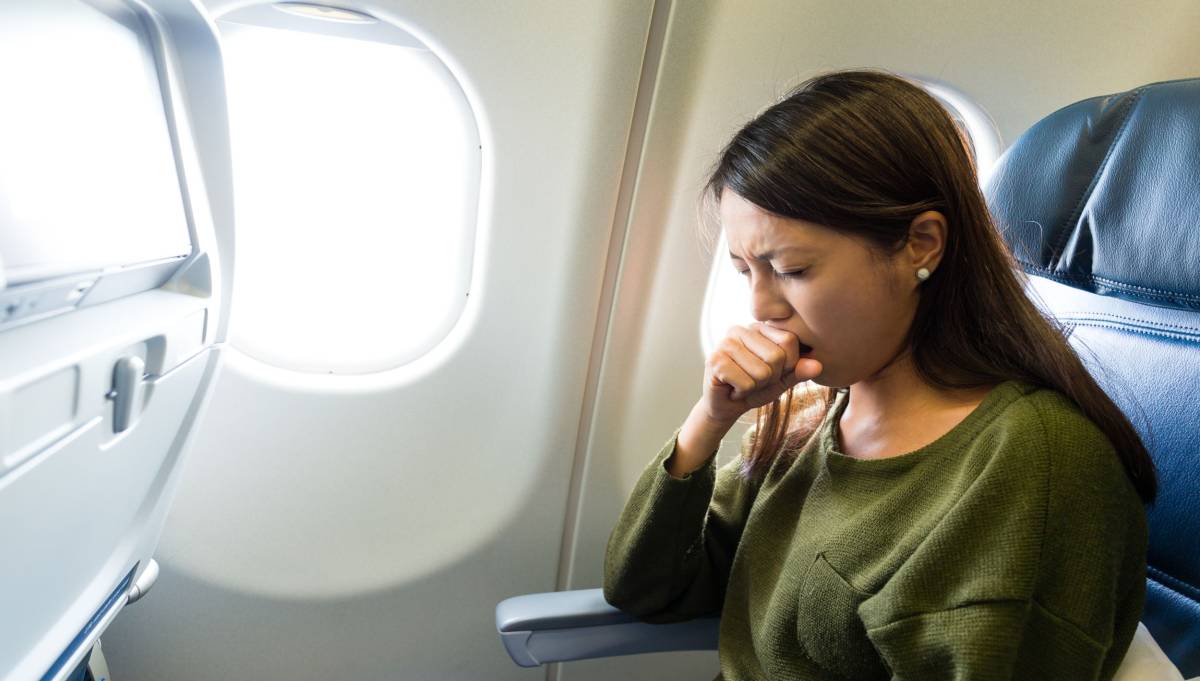
RAS AL KHAIMAH: With summer holidays in full swing and outbound travel surging, RAK Hospital is advising passengers with chronic illnesses or pre-existing medical conditions to undergo a ‘fit-to-fly’ medical check before boarding long-haul flights.
The advisory comes in response to a recent emergency where a patient developed a pulmonary embolism (PE) shortly after returning from an 8-hour flight from the United Kingdom.
The patient, a middle-aged male, presented to RAK Hospital’s Emergency Department complaining of sharp right-sided chest pain that had persisted for three days. A CT pulmonary angiography confirmed the presence of an acute pulmonary embolism – a blood clot that had travelled to his lungs, restricting blood flow and causing potentially fatal complications. He was immediately admitted to the ICU and treated with anticoagulants. He has since made a stable recovery.
Understanding the risk
“Pulmonary embolism often develops from deep vein thrombosis (DVT), where clots form in the legs and migrate to the lungs,” explained Dr Suha Alsheikh Suleman, Specialist Pulmonologist at RAK Hospital. “Extended periods of immobility, such as sitting during long flights, raise the risk – particularly in passengers with underlying medical conditions such as obesity, heart or lung disease, clotting disorders, or those with a history of thrombosis.”

She added that travel-related health risks increase significantly during peak travel seasons, especially when people fly long distances without seeking proper medical clearance. Dr Suha stressed the importance of recognising early warning signs and acting quickly to prevent serious complications.
Warning symptoms
RAK Hospital urges travellers to seek immediate medical help if they experience any of the following symptoms after a flight:
- Chest pain or tightness
- Sudden shortness of breath
- Rapid heartbeat or irregular palpitations
- Coughing, particularly with blood
- Swelling, redness or pain in one leg
- Lightheadedness or fainting
“These are classic warning signs of a pulmonary embolism. If ignored, the condition can lead to lung damage, heart strain, or sudden death,” said Dr Suha. “Recognising these symptoms early is absolutely vital.”
Preventive measures
The hospital has issued a set of key precautions for high-risk individuals planning air travel:
- Consult Your Doctor: Individuals with heart or lung conditions, or a history of PE or DVT, should obtain fit-to-fly clearance.
- Stay Mobile: Walk along the aisles or stretch your legs every one to two hours during flights.
- Hydrate Well: Drink plenty of water and avoid caffeine, alcohol, and smoking.
- Wear Compression Stockings: Especially important for pregnant women, cancer patients, and individuals with obesity or prior clotting issues.
- Avoid Temperature Extremes: Moving between extreme temperatures increases the risk of dehydration and thicker blood, which can contribute to clot formation.
According to Dr Suha, patients with known risk factors should make medical consultations a priority before any long-haul travel. “Even a simple check-up could prevent severe in-flight or post-flight emergencies,” she said. “The focus of treatment in such cases is to prevent existing clots from growing and to stop new clots from forming.”
The hospital confirmed that the recent patient has been discharged and prescribed a three-month course of blood thinners.
RAK Hospital continues to promote preventive healthcare and is encouraging travellers to be proactive in protecting their health during the busy summer season. For pre-travel consultations, passengers are encouraged to visit the official website.