

Planning a Europe trip? How the Entry-Exit System is becoming a summer travel nightmare
New border checks spark summer travel disruption as airports seek urgent action
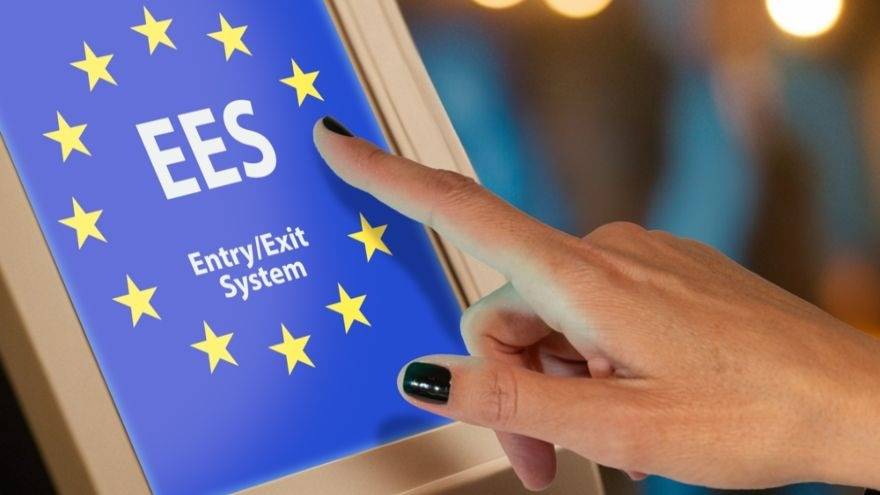
DUBAI – Europe’s new biometric border control system is coming under increasing pressure just as the continent enters its busiest holiday season, with airlines and airports warning that long queues, missed flights and operational disruption could worsen unless the European Union introduces greater flexibility.
The aviation industry is urging the European Commission to allow countries to temporarily suspend parts of the Entry/Exit System (EES) during periods of exceptionally high passenger traffic in July and August. Industry bodies say the system is placing unsustainable pressure on airports, airlines and border authorities despite its long-term security benefits.
The warning comes as millions of travellers prepare for summer holidays across the Schengen Area, where airports expect significantly higher passenger numbers over the coming weeks.
Urgent appeal
In an open letter to European Commission President Ursula von der Leyen, airport and airline organisations said the rollout of the EES has reached a "critical point" and called for immediate intervention before conditions deteriorate further.
The letter, signed by ACI Europe, Airlines for Europe (A4E) and the International Air Transport Association (IATA), says the current implementation is creating "severe operational consequences" across European airports.
ACI Europe, which represents 600 airports in 55 countries and accounts for more than 95 per cent of commercial air traffic across Europe, said the system is causing "unsustainable pressure" on border authorities, airlines and airport operators.
While acknowledging that the EES is designed to strengthen the security of the EU's external borders, the organisations said the rollout has led to significant increases in waiting times, with queues reaching up to five hours during busy periods.
The groups are asking the European Commission to allow member states to temporarily suspend biometric processing whenever passenger volumes exceed operational capacity during the peak summer season. They also want a permanent flexibility mechanism from September that would allow temporary suspensions during exceptional circumstances until staffing, infrastructure and technology are fully in place.
Peak pressure
The appeal comes as European airports expect around 40 million more passengers during July and August than they handled over the previous two months.
According to the aviation industry, the surge in holiday traffic is likely to intensify existing bottlenecks unless additional operational flexibility is introduced.
Although the EU has already permitted border authorities to temporarily suspend biometric data collection until the beginning of September under certain circumstances, airport operators argue that the measure has not gone far enough.
They say passengers continue to experience excessive queues while airlines face mounting disruption, including delayed departures, missed connections and increasing pressure on frontline staff.
Industry representatives also warned that some aircraft are departing with empty seats because passengers remain stuck in lengthy border control lines when boarding gates close.
Families travelling with young children, elderly passengers and people with reduced mobility are among those most affected by the delays.
Airport operators believe the temporary measures should remain available until structural improvements are completed, including higher staffing levels, greater stability of the EES platform, wider deployment of self-service biometric kiosks and the introduction of a pre-registration mobile application.
Technical hurdles
The Entry/Exit System was introduced to replace traditional passport stamping for non-EU nationals entering the Schengen Area for short stays of up to 90 days within a 180-day period.
Instead of manual passport stamps, the system records travellers' entries and exits electronically while collecting biometric information including fingerprints and facial images.
The system applies to travellers from countries such as the UK, the US, Australia and many Latin American nations, even when they do not require a visa for short visits. EU and Schengen citizens, long-term residents and certain other exempt groups are not required to register.
European Commission President Ursula von der Leyen has acknowledged that technical work remains to resolve issues with the rollout, saying further cooperation with member states is needed to address ongoing challenges.
According to EU officials, around 108 million travellers have already passed through the system since its rollout, while approximately 44,000 people have been refused entry because of missing, invalid or visa-related documentation.
Despite industry calls for broader flexibility, the European Commission has maintained that the operational impact remains limited at most airports and has so far resisted requests for a full suspension of the system.
Commission officials are expected to meet aviation industry representatives on July 7 to discuss the situation.
What travellers need to know
For travellers planning European holidays this summer, airports and airlines recommend allowing considerably more time for border formalities, particularly for first-time users of the EES.
Initial registration takes longer because passengers must provide fingerprints and facial scans before their details can be stored electronically. Travellers are also advised to keep passports, visas and supporting travel documents readily available to help minimise delays at border checkpoints.
Airlines are encouraging passengers to closely monitor flight notifications as congestion may affect boarding schedules and connections at some airports.
There is also an important financial consideration for travellers. According to The Guardian, airlines may not be required to compensate passengers if delays are deemed to result from "extraordinary circumstances", while some travel insurance providers may not cover losses directly linked to EES-related disruption.
Several airlines have also voiced concerns over the rollout. Ryanair has warned that families could face severe queue congestion during the holiday period, while Berlin Airport chief Aletta von Massenbach has reported waiting times of between one and two hours at one of the airport's terminals.
Airport operators continue to stress that the Entry/Exit System remains an important long-term security measure, but say additional flexibility is needed to ensure Europe's busiest travel season can be managed without placing further strain on passengers, airlines and border authorities.