

EU refuses to suspend Entry/Exit System despite airport disruption and travel delays
Brussels says existing flexibility is enough to manage peak travel
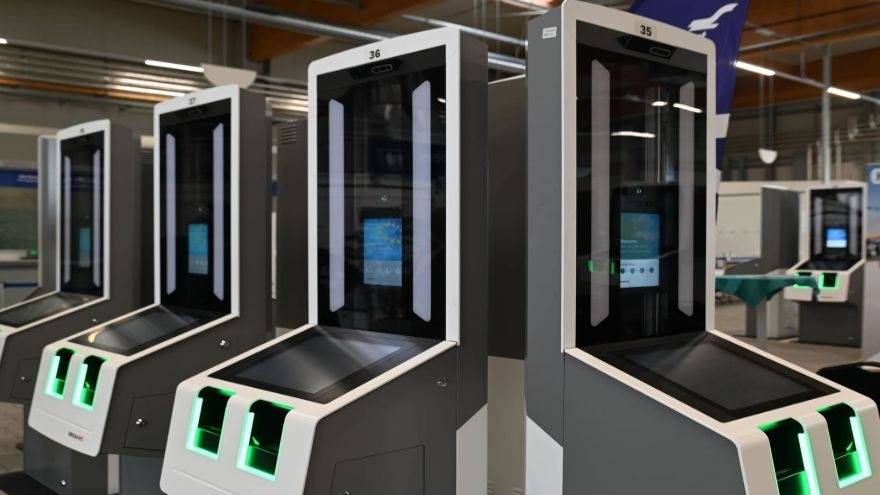
BRUSSELS – The European Union has rejected calls from airlines and airport operators to suspend its new Entry/Exit System (EES), insisting the biometric border control programme will continue despite widespread disruption at airports and border crossings during the busy summer travel season.
EU officials said a complete suspension of the system would be neither practical nor necessary, arguing that the existing flexibility available to member states is sufficient to deal with operational pressures while preserving the integrity of the border management programme.
Speaking in Brussels, a European official said the EES depends on the continuous recording of travellers' entries and exits, making a full suspension incompatible with the way the system is designed to operate.
Instead, member states are already permitted to temporarily suspend biometric registration for periods of up to six hours, with those suspensions renewable whenever required. According to the official, this flexibility is already being used to ease congestion at border crossings, particularly during the peak summer holiday period.
Entry/Exit system
The Entry/Exit System requires travellers from outside the European Union to register biometric information, including fingerprints and facial images, when entering the Schengen Area. The programme replaces traditional passport stamping with a digital record of border movements.
The aviation sector, however, maintains that the current measures do not go far enough.
European airlines and airport operators have urged the European Commission to suspend the system until next September, arguing that the limited flexibility has failed to prevent lengthy queues, flight delays and operational disruption at airports.
Industry groups say technical issues and implementation challenges continue to create bottlenecks, particularly as passenger numbers rise during the busiest months of the year.
System impact
Defending the programme, the European Union said the Entry/Exit System has already recorded around 110 million border crossings involving approximately 52 million travellers since its introduction.
Officials also said the system has helped prevent the illegal entry of about 44,000 people, highlighting its role in strengthening border security across the Schengen Area.
The European Commission added that work is continuing with member states, airlines and airport operators to improve the system's performance while maintaining its security objectives.